This article examines Capgemini's grading framework to illuminate its organizational fabric. Capgemini, a global leader in consulting, technology, and digital transformation, employs a distinctive grading structure fostering career advancement. Understanding this framework is crucial for professionals aspiring to leverage the firm's growth and innovation opportunities.
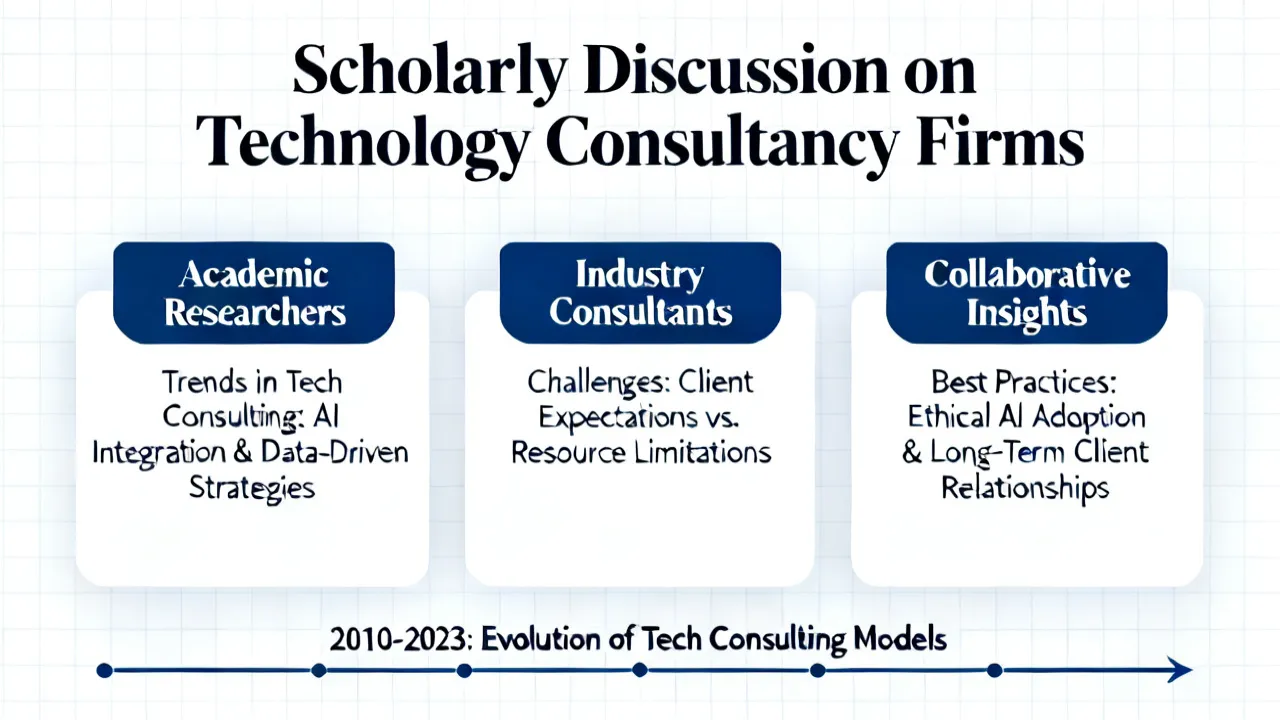
Capgemini stands as a stalwart in the consulting and technology sectors, renowned for its extensive digital solutions and transformative initiatives. With its reach sprawling across continents, the company's structure and career pathways merit a closer look for anyone seeking to decode its operational excellence. Integrating strategy, technology, data science, and creative design, Capgemini employs a meticulous grading system that delineates roles, designations, and career progression pathways.
Founded in 1967 by Serge Kampf in Grenoble, France, Capgemini has evolved into a global leader in consulting, technology services, and digital transformation. The firm leverages its strong industry expertise and a vast portfolio of service offerings to help organizations navigate their digital transformation journeys efficiently. With over 290,000 employees in more than 50 countries, their collective expertise drives innovation in technology and consulting, powering superior business performance. This global presence allows Capgemini to tap into diverse markets, adapting its solutions to cater to the unique challenges and opportunities present across different regions and industries.
In the fluid domain of global consultancy and IT services, understanding an organization’s grading structure is fundamental to aligning one’s career trajectory. Capgemini's grading system isn't just a classification of titles and positions—it's a complex network that facilitates career growth, performance assessment, and skill development. By categorizing its professional roles across consulting, technology, and management spectrums, Capgemini ensures systematic career progression and a transparent performance evaluation process.
This structured approach not only reinforces skill development but also enhances job satisfaction among employees. When individuals have a clear framework about what to expect at each career stage, they can plan their development activities accordingly. Moreover, this grading structure cultivates a competitive spirit, pushing employees to strive for higher positions while also allowing them to gauge their progress against their peers. Consequently, the grading system becomes a cornerstone of employee engagement and motivation, fostering a culture of performance and ambition throughout the organization.
At the nucleus of the grading system are several grade levels, each representing a distinctive stage in the career ladder. Ranging typically from entry-level positions to senior management roles, each grade is paired with specific responsibilities and performance expectations. For example, entry-level analysts focus on foundational tasks, whereas senior consultants strategize complex solutions and steer client engagements.
This hierarchical framework allows Capgemini to create tailored development plans for each employee, ensuring they have the necessary resources and opportunities to cultivate their skills and advance within the organization. The grading system also provides a solid benchmark for internal promotions, embedding a culture of meritocracy where performance and development drive career advancement.
The grading system aligns itself with Capgemini’s broader vision of fostering a culture of growth and innovation. Each grade not only serves a practical purpose in defining roles but also integrates the company’s commitment to employee welfare and skill enhancement.
While the grading system offers a framework for growth, Capgemini also focuses on nurturing talent through collaborative culture and innovation. The company fosters a workplace environment that emphasizes diversity, inclusion, and continual professional development, which inherently supports its grading system's functionality. Understanding Capgemini’s grade hierarchy can unlock various strategic personal branding and career growth opportunities through meticulously planned work experiences and learning initiatives.
Diversity and inclusion play a central role in Capgemini’s corporate philosophy. The organization actively promotes an inclusive environment, ensuring that individuals from various backgrounds and experiences can thrive. By embracing a diverse workforce, Capgemini enhances creativity and innovation, driving better solutions for clients and fostering a dynamic workplace. This commitment to diversity not only aligns with the firm’s values but also reflects in its comprehensive talent development strategies which aim to nurture diverse talent pools across all grades.
A robust mentoring system is also in place at Capgemini, further bolstering career advancement opportunities. Employees have access to seasoned mentors who can provide guidance, support, and resources tailored to their specific career aspirations. This mentorship, coupled with structured learning modules, ensures that employees recognize their potential and are equipped to scale the career ladder effectively. Capgemini also encourages at least 10% of time on innovation projects, empowering employees to think outside the box and contribute to their own professional journey.
To advance through Capgemini’s grading system successfully, it’s vital to cultivate specific skills and competencies that align with each grade's expectations. Here's a more detailed exploration of the essential skills to develop as one progresses from entry-level to principal consultant:
At Capgemini, the grade system acts as a compass for career-oriented professionals aiming to scale the heights of consultancy success. By cultivating a keen understanding of this structure, individuals can better position themselves to harness vast opportunities within this globally influential corporation. These gradations are not merely administrative distinctions; they are opportunities for individuals to grow, innovate, and lead in a dynamic industry landscape.
As employees navigate through Capgemini’s multi-tiered grading system, it is paramount they leverage the numerous resources available, from training programs and mentorship to networking opportunities and cross-functional projects. Actively engaging in personal and professional development while aligned with the company’s strategic goals will enrich their career journey, allowing them to leave a lasting impact on their team and the broader organization. Furthermore, cultivating a growth mindset will empower individuals to embrace challenges and continuously seek opportunities to stretch their capabilities. Thus, in the landscape of Capgemini, success is not merely about ascending through ranks but also about enriching oneself and others through shared knowledge, collaboration, and innovation.
| Grade Level | Key Responsibilities | Essential Skills/Competencies |
|---|---|---|
| Entry-Level | Data analysis, initial client engagements, foundational research | Analytical skills, communication skills, adaptability |
| Mid-Level | Project management, strategic insights, client partnerships | Project management, client engagement, technical proficiency |
| Senior | Complex project handling, team leadership, client solutions | Leadership, strategic thinking, budget management |
| Principal | Strategic initiatives, digital innovation, thought leadership | High-level strategic insight, thought leadership, change management |
Striking the Perfect Balance: Navigating Premiums and Out-of-Pocket Expenses in Senior Insurance Plans

Explore the Tranquil Bliss of Idyllic Rural Retreats

How to Make Lasting Memories at Disneyland Attractions

Affordable Phones and Plans for Seniors

Affordable Full Mouth Dental Implants Near You

Unlock the Top Kept Secrets to Finding Your Ideal Dentist for Flawless Dental Implant Results!

Discovering Springdale Estates

The Guide to Car Trading

Affordable Cell Phones Without Plans

Insights into Capgemini Grading System
This article examines Capgemini's grading framework to illuminate its organizational fabric. Capgemini, a global leader in consulting, technology, and digital transformation, employs a distinctive grading structure fostering career advancement. Understanding this framework is crucial for professionals aspiring to leverage the firm's growth and innovation opportunities.
