The Shogun Assassination Arc is a pivotal saga in the anime series Gintama, focusing on the complex political intrigue and intense battles to protect or end the life of the Shogun. This article delves into the significance of the arc, its influence on the series, and its reflection on historical themes and storytelling techniques.
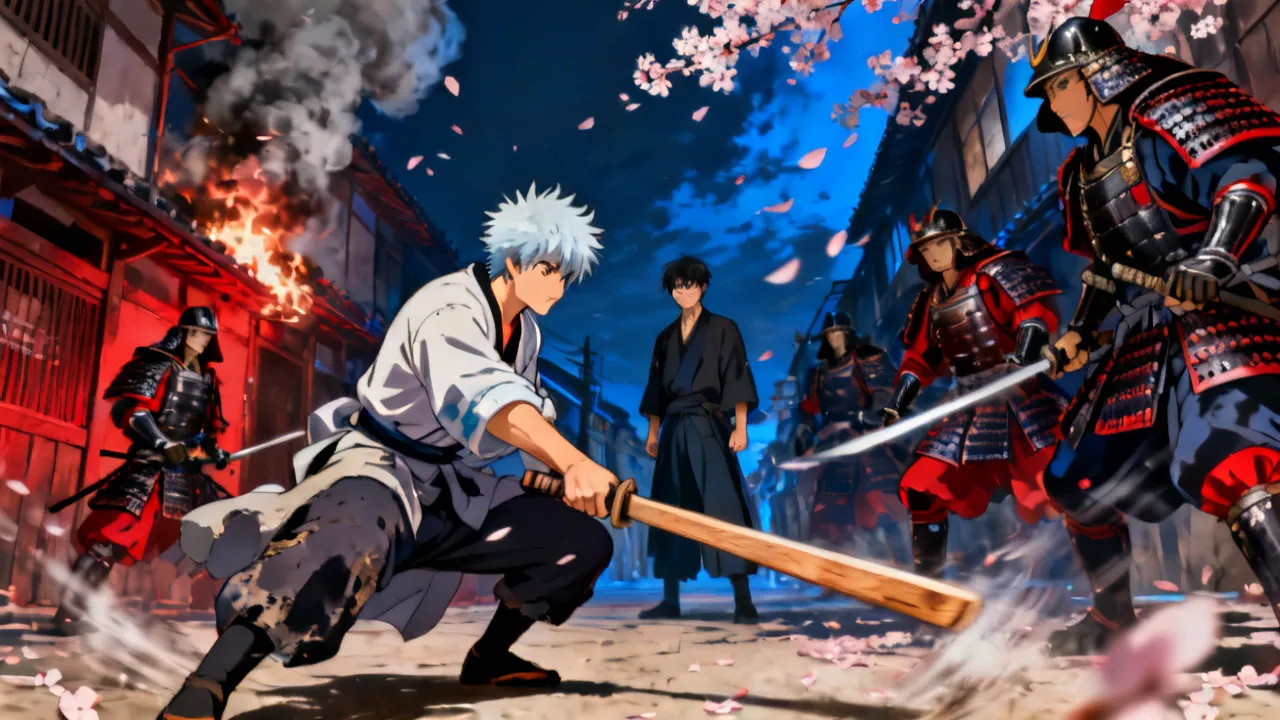
The Shogun Assassination Arc represents a critical turning point in the anime series Gintama, known for its unique blend of comedy, action, and profound themes. This story arc spans episodes 300 through 316, signifying a major evolution in both the narrative complexity and character development within the series. It portrays an intense conflict centered around the fate of the Shogun, Shige Shige Tokugawa, weaving together themes of loyalty, betrayal, and the quest for power.
This arc serves as a powerful commentary on the sociopolitical climate of both historical and contemporary Japan, entrenched in the motifs of feudal loyalties, interpersonal conflicts, and the overarching struggle for political reform. The Shogun's assassination becomes a symbolic act representing not just the termination of a leader but the potential upheaval of an entire societal structure that has grown stagnant and corrupt over time. The various factions represented in the arc draw parallels to real-world political movements, bringing a level of gravitas to the already engaging storyline.
This arc draws inspiration from Japan's rich historical tapestry, notably the Edo period, portraying a fictionalized realm that blends historical figures with exaggerated narratives. The Shogunate is a recurring motif, providing a backdrop of political unrest and class disparity which mirrors the complexity of historical feudal Japan. Characters navigate through allegiances and enmity, with the assassination plot delving into the motivations of each faction.
The Edo period, characterized by peace under the Tokugawa shogunate, also saw the suppression of political dissent, where samurai and other warriors found themselves in a moral quandary—loyalty to their lord versus their sense of justice. Gintama cleverly mirrors these dilemmas through a lens of humor and parody yet brings forth a nuanced perspective on the consequences of loyalty and betrayal. The characters' actions echo the sentiments of historical figures who navigated similar roads of intrigue and moral ambiguity.
Throughout the arc, references to historical events and figures emerge, serving as Easter eggs for viewers familiar with Japanese history. This deepens the connection between the audience and the narrative, allowing for a richer viewing experience where one can appreciate the underlying messages pertaining to justice, social order, and the often painful need for change.
The Shogun Assassination Arc is not just about action and strategy but also offers rich character development. Characters such as Gintoki Sakata, Shinpachi Shimura, and Kagura are pushed to their limits, revealing their inner convictions and growth. Gintoki, with his tragic past and a firm moral compass, faces dilemmas that force him to confront his beliefs about justice and loyalty. His friendships and alliances are tested, and his development is marked by moments of introspection and strength.
Shinpachi Shimura, often seen as the straight-man in the trio, is given the opportunity to step up, revealing his own capacity for leadership and moral integrity in dire situations. As the arc progresses, we witness Shinpachi finding his voice, particularly in advocating for what he believes is right for those unjustly affected by the political maneuvering around them.
Kagura, the fierce and often impulsive member of the trio, matures through the revelations of the arc. Her tumultuous relationship with her heritage and her own strength comes to the forefront, showcasing her evolution into a more rounded character. Kagura’s interactions with the Shogun and other characters emphasize themes of loyalty and family, demonstrating how deeply personal narratives intersect with larger political themes. Through her eyes, the audience witnesses the ramifications of choices rooted in loyalty and honor.
Moreover, the arc introduces several supporting characters who play pivotal roles, such as Takasugi Shinsuke and Katsura Kotarou (Zura). These characters serve not only as allies or antagonists but as mirrors reflecting Gintoki and his friends' values and fears. Takasugi, with his radical ideologies, represents a contrasting viewpoint on justice and sacrifice, which challenges Gintoki's more traditional sense of honor. Katsura, with his charismatic yet comical demeanor, brings a mixture of humor and profound moments that highlight the absurdity of their situation in the political landscape.
Central to the arc is the theme of loyalty—both personal and political. The various characters’ loyalties are put to the test, driving the narrative's core tension. Gintoki's internal struggles symbolize the broader conflict between personal honor and societal duty. The arc examines how power dynamics are influenced by hidden agendas, marking the struggle between what is right versus what is strategic. As alliances shift and become more precarious, the motivations of each character are scrutinized, leading to moments of intense moral questioning.
The narrative unveils how loyalty can sometimes lead to blindness, making characters susceptible to manipulation. This notion is strikingly illustrated in characters who prioritize loyalty over independent thought, resulting in catastrophic consequences. The assassination plot itself serves as a critical examination of how loyalty can both enable and destroy. Characters grapple with the implications of their choices, weighing the importance of personal bonds against the backdrop of political upheaval.
The arc also presents a commentary on sacrifice, as characters grapple with decisions that could alter their lives and histories. The emotional weight behind these sacrifices resonates profoundly, as the audience witnesses friendships tested to the brink and individual choices that resonate throughout the lives of everyone involved. This theme posits a recurring question within the narrative: How much are they willing to sacrifice for their beliefs and their friends? This question drives the characters and the story towards a poignant climax that leaves lasting impressions on viewers.
Beyond its entertainment value, the arc has left a profound impact on viewers, largely due to its intricate plot and emotional depth. It challenges conventional storytelling within anime by blending humor with serious tones, creating a versatile narrative that appeals to a wide audience. The Shogun Assassination Arc is particularly noted for its ability to handle complex themes without losing the quirky charm that Gintama is renowned for.
The success of the arc has cemented it as a classic within the Gintama series, resonating with both devoted fans and newcomers alike. It has sparked discussions about loyalty, identity, and the nature of power, leading to deeper engagement with the material. The humor layered within the serious elements allows the audience to digest heavy themes while remaining entertained, leading to a balanced emotional experience.
Furthermore, the arc's legacy is evident in how it has influenced subsequent anime and storytelling within the medium. Many creators look to Gintama’s approach as a template for how to weave humor with dramatic narratives, illustrating that depth does not warrant a complete forsaking of levity. The character-driven storytelling and the intricate webs of relationships serve as a reminder of the multifaceted nature of humanity and the stories we tell.
The reception of the Shogun Assassination Arc among fans and critics has been overwhelmingly positive. Viewers have praised the arc for its audacious storytelling, well-crafted characters, and the emotional resonance that transcends its comedic roots. The intricate plotting keeps viewers engaged, leading them to invest deeply in the fates of the characters involved. Critics have lauded the arc for its artistic merit, often highlighting the animation quality and voice acting that brings the emotional beats to life.
Online discussions and fan forums often reflect the arc's significant impact on the Gintama community. Viewers dissect character motivations, themes, and the philosophical implications of loyalty and honor, showcasing how the material encourages thoughtful discourse. The arc has become a touchstone for identifying what makes Gintama unique compared to other series, blending genres in a way that challenges simple categorization.
Moreover, the characters introduced or developed throughout this arc continue to resonate with audiences long after the conclusion of the series. Fans often cite Gintoki's inherent complexities and struggles as a major draw, portraying the type of character that feels realistic despite the fantastical setting. This level of investment has ensured that the Shogun Assassination Arc remains a memorable part of Gintama's legacy and a highlight of anime storytelling.
When placed in context with other arcs within Gintama or even in the anime landscape overall, the Shogun Assassination Arc stands out for its thematic depth and character complexity. Compared to arcs focused heavily on gag humor, this one integrates more layers of intrigue and plot-driven storytelling. For instance, while earlier arcs might have relied on comedic misunderstandings or slapstick humor, the Shogun Assassination Arc leans intently into the dramatic, effectively employing tension as a tool for character development.
In the broader context of anime, very few series can achieve a balance between humor and serious themes to the extent Gintama does, particularly in this arc. The focus on political maneuvering and the moral implications of choices presents a contrast to other popular anime tropes that often favor clear-cut heroism or villainy. Instead, Gintama nuanced the exploration of morality, offering a richer narrative experience.
The Shogun Assassination Arc doesn't shy away from the messiness of human behavior, presenting characters who are often flawed and faced with tough choices. This reality of the human experience, captured within the fantastical context of Gintama, enables deeper philosophical reflections, making it a benchmark against which other narratives are measured.
As we delve deeper into the character dynamics established during the Shogun Assassination Arc, it becomes clear that both protagonists and antagonists shine through their development and arcs. The layered complexity of each character transforms the narrative into a multifaceted exploration of loyalty and revenge.
A significant character to explore is Shige Shige Tokugawa, the Shogun himself. Initially portrayed as a figurehead, we witness his character evolve throughout the arc. Shige Shige grows from a symbol of political ineffectiveness into a representation of the struggles that leaders face while balancing duty and personal ideals. He serves as a mirror to Gintoki and other characters, prompting them to reckon with their own values. The attempted assassination on his life spurs a reckoning within him, ultimately leading to significant character growth that highlights the unique storytelling approach Gintama employs.
On the flip side, Takasugi Shinsuke serves as a fascinating antagonist, embodying revolutionary ideologies that clash with the status quo. He’s not solely an antagonist but a character with deeply-rooted beliefs, showcasing how past traumas and injustices can polarize perceptions of loyalty and rebellion. Takasugi’s motivations juxtapose Gintoki's ideals, and this conflict breeds significant tension throughout the arc. His philosophical outlook on governance and justice challenges viewers to reconsider what loyalty means from a revolutionary perspective.
The Shogun Assassination Arc in Gintama is a standout example of masterful storytelling within anime. Its combination of action, drama, and historical references offers a layered narrative that resonates not just with fans of the series but with all lovers of compelling stories. Ultimately, it stands as a testament to the series' ability to tackle complex themes with both gravity and humor. The profoundly human struggles faced by the characters, explored through the lens of political intrigue and personal loyalty, invite viewers to ponder their values and beliefs.
The richness of character development, emotional stakes, and the intertwining of humor with serious consequences marks the Shogun Assassination Arc as a high-water mark not only for Gintama but for anime storytelling as a whole. It dispels the notion that comedy can’t coexist with profound commentary on human nature, ensuring that viewers are left both entertained and reflecting on the weighty questions raised throughout the journey.
Striking the Perfect Balance: Navigating Premiums and Out-of-Pocket Expenses in Senior Insurance Plans

Explore the Tranquil Bliss of Idyllic Rural Retreats

How to Make Lasting Memories at Disneyland Attractions

Affordable Phones and Plans for Seniors

Affordable Full Mouth Dental Implants Near You

Unlock the Top Kept Secrets to Finding Your Ideal Dentist for Flawless Dental Implant Results!

Discovering Springdale Estates

Unveiling RS Sul Telecom Services

The Guide to Car Trading


Smart Strategies to Slash Costs on Your Roof Replacement Endeavor
Opening Remarks: Smart budgeting doesn't mean cutting corners on quality. This guide will delve into cost-effective approaches for roof replacement that maintain high standards.

Unlocking the Secrets of Preschool: Your Ultimate Guide to Early Childhood Education Programs
The significance of early childhood education programs is paramount in shaping the foundational stages of a young child's life. These educational experiences aim to furnish children with a diverse skill set before they face the structured environment of elementary education. Such programs offer a dynamic and engaging atmosphere where children's natural curiosity leads to the broadening of their thought processes. Moreover, they focus on rectifying behavioral patterns and fostering positive principles and routines.

Enhance Your Smile: Essential Gum Care Tips After Teeth Replacement
After getting new dental implants, it's crucial to look after your gums to aid recovery, shield against infection, and enhance the durability and function of the implants. This discussion delves into the key methods and top tips for gum care that are vital to keep your gums robust and healthy after your procedure.

Unlock the Secrets to Championing Fair Pay: A Guide to Fighting for Competitive Nurse Salaries at Your Hospital
To effectively navigate the intricacies of nurse compensation in healthcare institutions, a thorough understanding goes beyond the basics. Strategic advocacy is essential, honoring nursing as a critical profession while also deeply comprehending the economic aspects of healthcare. This article lays out systematic methods to advocate for fair remuneration for nurses, aimed at closing the divide between managerial policies and the realities nurses face daily.

Protect Your Golden Nest Egg: Smart Strategies and Essential Precautions for Securing Your Gold Investments
Investing in gold requires more than just purchase; diligent protection and a strategic mindset are crucial. A secure gold investment is built on thoughtful planning, alert risk management, and the capacity to adapt to changes. We'll explore various ways to protect these investments from the diverse challenges they face.

Unlock Higher Earnings: Master the Art of Leveraging Your Nursing Expertise for a Hefty Pay Raise!
Unraveling the complexity of the payment landscape in nursing isn't for the faint-hearted, yet it's a manageable task with a strategy in place, enhancing one’s prospects for improved salary through skill and knowledge. This delicate dance of upholding patient care while seeking just rewards is a path all nurses must walk. Grasping the elaborate character of the nursing role and what propels one's income forward is crucial. Within this paper, we dissect insightful methods to maximize the impact of your nursing qualifications.
