Cohousing offers a refreshing alternative, combining privacy with community living. Stemming from Denmark in the 1960s, it's now a global movement enhancing social interaction and sustainability. Cohousing involves private homes with shared spaces and promotes collaborative lifestyles. This article delves into the structure, benefits, and global examples of successful cohousing.
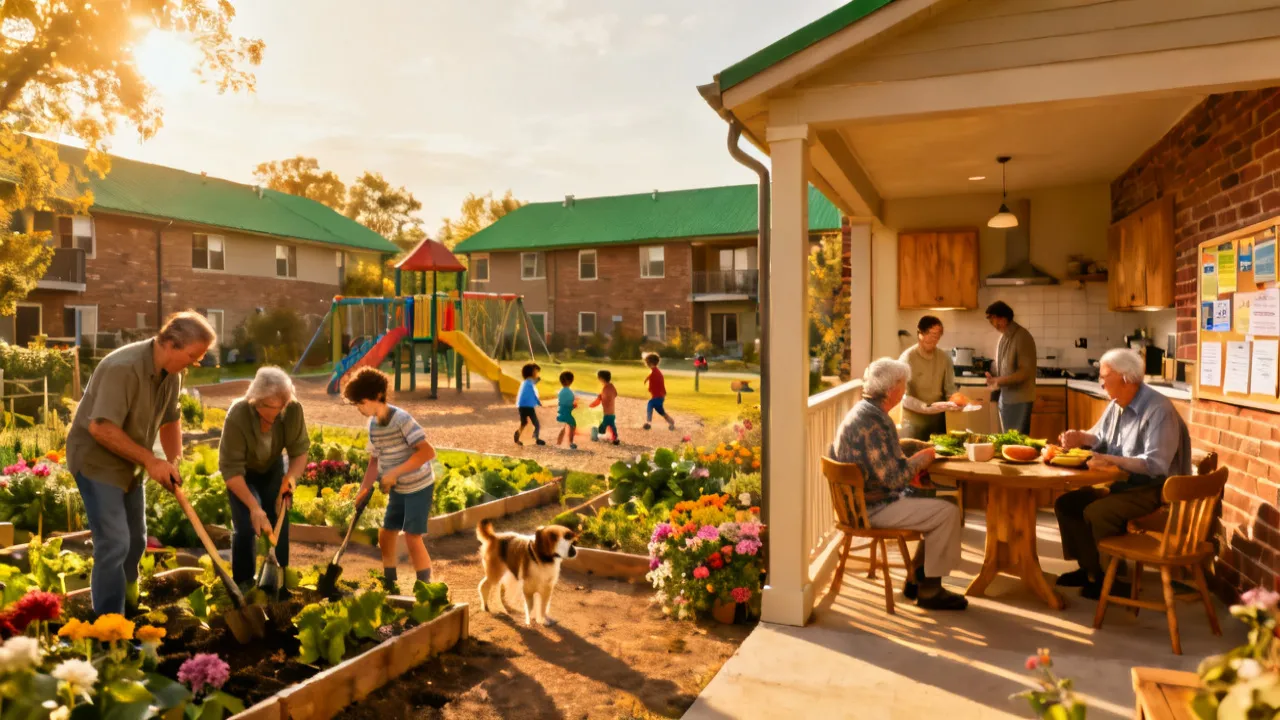
Cohousing communities represent an innovative approach to modern living that blends privacy with communal interaction. Popularized in Denmark during the 1960s, this concept has since gained traction worldwide. It emphasizes a collaborative lifestyle where individuals maintain private homes but share communal spaces like kitchens, gardens, and recreational areas. The roots of cohousing can be traced back to a desire for greater community engagement, a response to the isolation often felt in conventional housing structures. Here, we will explore the underlying principles that define cohousing, its evolution over the decades, and its value in contemporary society.
The architecture of cohousing developments is typically designed to facilitate community interaction. Houses are usually positioned around a central common space that serves as the community's heart. This layout encourages spontaneous social interactions, fostering a sense of belonging and cooperation among residents. The shared spaces can include dining halls, workshops, or childminding facilities, which significantly enhance the quality of life for residents by sharing resources and responsibilities.
In addition to the shared common spaces, the individual homes are designed to be functional yet uniquely customized according to the residents’ preferences, promising individuality while remaining part of a cohesive community. Varied styles of homes can exist within the community, including single-family units, townhouses, and even apartments. This diversity allows residents from different walks of life, including families, singles, and elderly residents, to coexist harmoniously, enhancing the community's richness.
Cohousing has expanded beyond Denmark and found a foothold in the United States, the United Kingdom, Australia, and other parts of Europe. Each cohousing community adapts to its local culture and climate, incorporating sustainable building practices and regional architectural styles. For instance, in dense urban settings, cohousing models may utilize vertical designs to maximize space while encouraging neighborly interactions, whereas in rural areas, sprawling designs with larger communal gardens might be more prevalent.
The coalescence of cultures seen in various cohousing models offers an interesting opportunity for cultural exchange. Residents may share and learn from one another’s traditions, fostering not only friendships but also an understanding of diverse ways of life. Furthermore, global trends such as the pursuit of reduced carbon footprints and more sustainable living practices align perfectly with the principles of cohousing, leading to a resurgence of interest in this community-driven living model.
| Country | Notable Cohousing Community | Unique Feature |
|---|---|---|
| Denmark | Skarresø Park | Focus on eco-friendliness and sustainable living. |
| United States | N-Street Cohousing | Informal culture with shared meals and non-hierarchical decision-making. |
| United Kingdom | Marmalade Lane | Utilizes passive solar design and community orchard. |
| Australia | Communities in Brisbane (e.g., Eco-Units) | Feature urban gardens and innovative water conservation methods. |
| Canada | Quayside Village, BC | Emphasizes accessibility and inclusivity for individuals from diverse backgrounds. |
Q: What is the main goal of cohousing?
A: Cohousing aims to create a collaborative living environment that combines private living spaces with communal areas to foster community and reduce environmental impact. The aim is to bring together like-minded individuals focused on enhancing their quality of life while building lasting relationships with their neighbors.
Q: How do decisions get made in a cohousing community?
A: Decisions are typically made through consensus among residents, ensuring that everyone has a voice in the community's operations. This might take the form of regular meetings and discussions, where all viewpoints are welcomed and considered, fostering an inclusive atmosphere.
Q: Is cohousing an affordable option?
A: While initial costs may vary, shared resources and reduced living expenses often make it a cost-effective option in the long term. As residents share maintenance, utilities, and communal expenses, they overall decrease financial burdens compared to traditional single-family housing.
Q: How do cohousing communities foster inclusivity?
A: Cohousing communities often prioritize diversity and inclusivity through their design and governance structures. Many communities feature homes that cater to different age groups and family types. They also frequently implement policies that support participation from all demographics, ensuring everyone has access to decision-making processes.
Q: Can families live in cohousing?
A: Absolutely. Many cohousing communities are designed with families in mind. They often include play areas, communal gardens, and facilities that support child-rearing, creating a nurturing environment for children while offering parents a supportive network.
Cohousing offers a unique and viable alternative to traditional housing models, promoting sustainability, shared responsibility, and a robust sense of community. The resurgence of interest in community-oriented lifestyles in today's fragmented society highlights the importance and relevance of cohousing. As global interest rises, cohousing stands as a testament to the power of collective living, enhancing individual well-being and community resilience. By blending privacy with cooperation, cohousing communities create spaces that respect personal boundaries while fostering profound connections, ultimately redefining what it means to have a home and belong. With increasing awareness and understanding of this living concept, the future of cohousing seems bright—encouraging more neighborhoods worldwide to adopt this holistic approach to living.
Looking towards the future, cohousing is likely to evolve further, influenced by technological advances and socio-economic changes. New technologies offer the potential for smarter, more connected living spaces where energy consumption and maintenance can be monitored and managed more efficiently. Moreover, as cities become increasingly populated, the need for housing solutions that prioritize community interaction and sustainable living will become paramount. Cohousing, with its foundation resting on cooperation, innovation, and shared values, is well-positioned to meet these changing demands.
Cohousing could also shift in response to climate change pressures, with future communities possibly incorporating even more cutting-edge sustainable practices and materials. Innovations in building technologies and renewable energy sources are expected to play significant roles in future developments, increasing each community’s resilience against both economic and environmental shifts.
As we witness shifts in demographics and urbanization patterns, the traditional notions of home are changing. Younger generations are showing interest in communal living arrangements that are cost-effective and environmentally viable. This means that more cohousing projects may emerge to cater to diverse populations, including retirees seeking community connections, young professionals looking for affordable living situations, and families wanting supportive environments for their children.
In conclusion, as we navigate an increasingly disconnected world, cohousing presents an inspiring model for living that prioritizes connection, sustainability, and resource sharing. Each person's participation in a cohousing community not only enriches their life but also the lives of those around them, creating stronger, more resilient neighborhoods for the future. Through the lens of cohousing, we can reimagine our surroundings, adapt to our social needs, and pave the way for a healthier, more engaged future.
Striking the Perfect Balance: Navigating Premiums and Out-of-Pocket Expenses in Senior Insurance Plans

Explore the Tranquil Bliss of Idyllic Rural Retreats

How to Make Lasting Memories at Disneyland Attractions

Affordable Phones and Plans for Seniors

Affordable Full Mouth Dental Implants Near You

Unlock the Top Kept Secrets to Finding Your Ideal Dentist for Flawless Dental Implant Results!

Discovering Springdale Estates

The Guide to Car Trading

Affordable Cell Phones Without Plans


Creating Your Perfect Space: Comfort, Style, and Furnishings
Designing a home that encompasses comfort, style, and well-chosen furnishings enhances your living experience. Follow these expert tips to create your ideal sanctuary.

Affordable Recliner Chairs for Seniors: A Comprehensive Buying Guide
As we age, comfort and ergonomics become increasingly important. Here’s a guide to help seniors find the perfect, affordable recliner chair to meet their needs.

Discovering Terrace Apartments in Seattle
Terrace Apartments Seattle offers a unique living experience blending urban vitality with scenic views. Nestled amidst the vibrant cityscape of Seattle, these apartments reflect modernity and comfort tailored for diverse lifestyles. The article delves into the appeal of these apartments, their amenities, and the surrounding neighborhood, providing an insightful guide for potential residents and real estate enthusiasts.

Choosing the Right Refrigerator: Size and Energy Efficiency Tips
Finding the perfect refrigerator involves considering both size and energy efficiency to meet your needs and save on utility bills. Here’s a comprehensive guide:
Maximizing Your Home Value Through an Effective Appraisal
An accurate home value appraisal can substantially increase your property's marketability and selling price.

Maximizing Space and Style: A Guide to Folding Chairs, Design, and Functionality
When it comes to seating solutions, folding chairs are a versatile option that seamlessly blend design and functionality. Here's everything you need to know about making the very of these dynamic furniture pieces.