Explore the symbiotic relationship between peonies and ants in this comprehensive guide. While peonies are celebrated for their lush blooms and vibrant colors, ants play a crucial, often misunderstood role in their development. This article delves into peony culture, examines how to manage ants in your garden effectively, and addresses common questions about this unique ecological partnership.
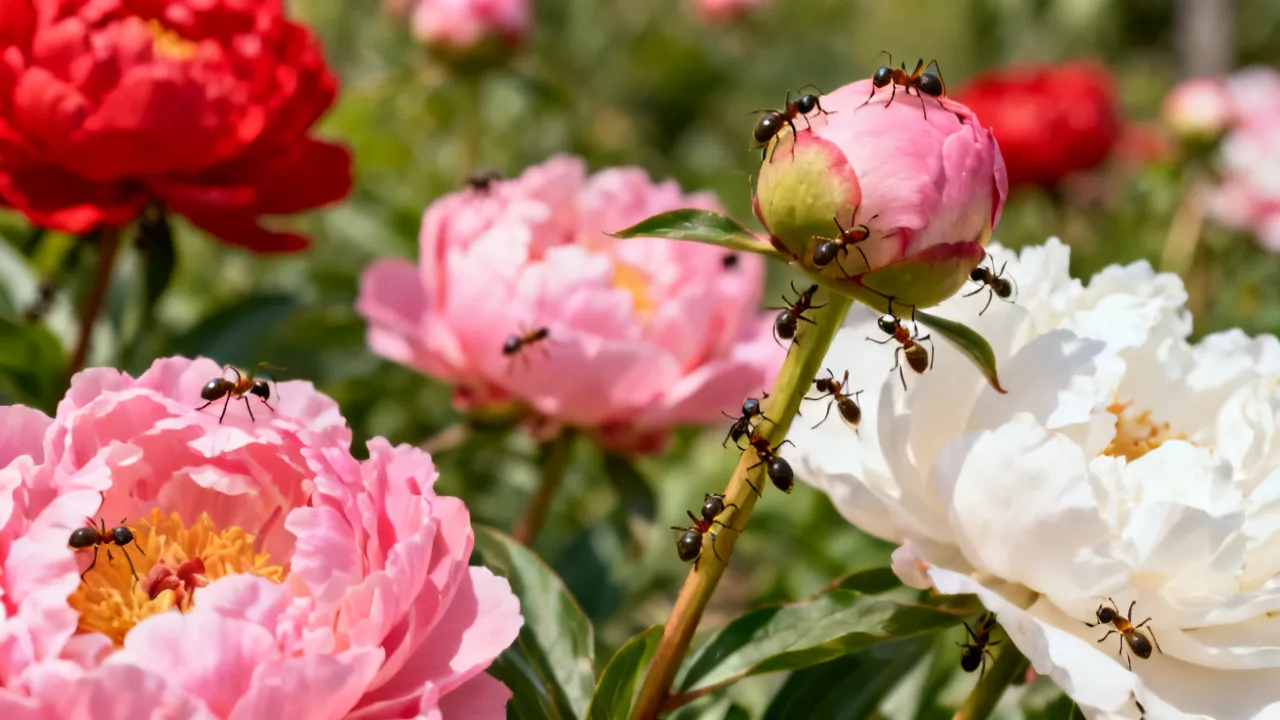
Peonies, with their lush blooms and fragrant allure, have been a staple in gardens for centuries. While well-loved for their aesthetic appeal, one of the lesser-known aspects of peonies is their symbiotic relationship with ants. This collaboration not only fascinates botanists and gardeners alike but also offers a glimpse into the diverse interactions within the natural world. The relationship between these two organisms can be seen as a testament to the complexities of ecological systems. When studying plants and insects, one cannot overlook the essential roles they play in their environments. The interaction between peonies and ants exemplifies the intertwining of life forms that thrive in a shared habitat.
Ants and peonies share a mutualistic relationship, which means both entities benefit from their interaction. The mechanics of this bond are both intriguing and vital. Ants are attracted to peony buds primarily because of the nectar-like substance they secrete. This sugary secretion provides a food source for the ants, and in return, the ants protect the peonies from potential pests. Studies have shown that the mere presence of ants can deter various herbivores and pests that might otherwise damage peony plants. This symbiosis highlights the complex tapestry of interactions within an ecosystem, where cooperation often ensures survival and health.
Moreover, the relationship extends beyond mere physical protection. Ants can also help to promote healthier plant growth by improving soil aeration and nutrient cycling. As ants dig through the soil and move organic matter, they contribute to a more fertile growing environment not just for peonies, but for other plants in the vicinity as well. Thus, their presence can be seen as a feather in the cap of gardening practices, as nature itself promotes harmony through these relationships.
Contrary to popular belief, ants do not harm peony plants; instead, they serve an important role in their lifecycle. During the blooming stage, peony buds secrete a sap that attracts ants. These ants help care for the buds by keeping them affordable from harmful insects. Thus, their presence ensures the healthy development of peony flowers, acting as informal guardians of the blooms. In addition to protecting against aphids and other harmful insects, ants can distract plant predators, leading them away from the peonies altogether. This proactive defense mechanism enhances the likelihood of the plants producing more robust and vibrant flowers.
Research has indicated that the presence of ants can even lead to higher flower production. When ants are actively protecting the buds from pests, the peonies are free to allocate more resources to growth and flowering rather than defense mechanisms. This results in a visual spectacle that delights gardeners and nature enthusiasts alike, showcasing the profound impact ants can have on plant health.
For gardeners, the presence of ants can sometimes be alarming, especially if the ants migrate indoors or threaten other areas of the garden. However, understanding their role around peonies helps prevent unnecessary eradication. Instead of eliminating ants, focus on managing their presence. Simple methods such as creating physical barriers or using natural repellents like vinegar can help keep ants in check without disturbing the beneficial relationship. Incorporating plants with strong scents, such as mint or rosemary, can also serve to deter ants from wandering too far away from your designated peony area. The gardeners’ goal should be to strike a balance between enabling beneficial insects and controlling potentially invasive species.
Companion planting further enhances this relationship by allowing gardeners to grow plants that deter unwanted pests while attracting beneficial ones like ants. By creating a biodiverse garden, one can harness the power of nature’s own toolkit to maintain health and vigor in peony populations. This sustainable management approach fosters a thriving ecosystem where various life forms coexist and contribute to the wellbeing of one another.
Understanding this dynamic offers gardeners a better appreciation of the natural processes and assists in creating a harmonious garden environment. The presence of ants can be considered a sign that your peonies are thriving and naturally protected from more harmful pests. Furthermore, observing this relationship in action allows for greater insights into the roles different species play and how those roles can change unexpectedly with fluctuations in environmental conditions.
Additionally, research into the peony-ant relationship has broad implications beyond aesthetic gardening. By understanding these interactions, scientists can glean insights into pest management strategies that mimic natural ecological systems. Such insights can lead to sustainable agricultural practices that minimize chemical usage while maximizing crop yields—an essential component of feeding a growing global population while protecting our environment.
The bond between peonies and ants exemplifies the delicate balance of ecosystems. This relationship encourages people to consider the complexity of life forms while gardening, reminding us that even the smallest species can play significant roles in sustaining larger systems. Gardeners should embrace this partnership, using it to foster a diverse and healthy growing space. Recognizing the vital roles both peonies and ants play enhances our appreciation and understanding of nature’s intricate networks.
Beyond mere aesthetics, this symbiotic interaction serves as a reminder of the importance of biodiversity. Every organism, from the tiniest ant to the grandest peony, has its place in the earth’s great design. By respecting these natural relationships, we can learn to live in greater harmony with the environment.
By observing and understanding the synergy between peonies and ants, gardeners can enhance the beauty and health of their gardens while respecting the natural processes that contribute to plant vitality.
In conclusion, embracing the relationship between ants and peonies can enrich one’s gardening experience, emphasizing the importance of interconnectedness in nature. Creating a thriving ecosystem within a garden not only benefits the plants but also creates a sanctuary for both beneficial insects and wildlife. Through this understanding, gardeners and nature enthusiasts can cultivate both beauty and harmony in their outdoor spaces, developing a deeper appreciation for the natural world around them.
To further appreciate this intricate relationship, gardeners might consider experimenting with different types of peonies. The variety of peonies, such as herbaceous, tree, and Itoh hybrids, offers a range of blooms, shapes, and sizes that can attract various types of ants and other beneficial insects. Each variety brings with it unique adaptations and interactions with local insect populations.
For instance, tree peonies, with their larger flowers and more woody structure, might provide a different experience for both gardeners and the ants attracted to them. Understanding the preferences of ants for different plants can lead to a more strategic approach in landscaping decisions. Gardeners may also want to keep a close eye on their gardens, as observing the interactions between ants and different peony types can lead to unanticipated discoveries about these relationships and their long-term effects on garden health.
Another area worth exploring is the broader ecological context of the peony-ant relationship. Scientists have conducted extensive studies on various ant species and their interactions with plants, shedding light on how ants protect plants from herbivores through aggressive guard behaviors. This knowledge expands the gardener's toolkit to incorporate ecological understanding into their gardening techniques, allowing for holistic management practices that align with nature’s rhythms.
As awareness grows regarding the importance of sustainable practices in gardening, integrating knowledge of insect-plant interactions will become increasingly essential. The artistic and ecological dimensions offered by the relationship between ants and peonies can help to create gardens that are not only beautiful but also beneficial to the environment. By utilizing the principles of permaculture, gardeners can cultivate their spaces in ways that enhance natural relationships and support biodiversity.
Additionally, participating in local gardening communities or forums can facilitate the sharing of experiences related to the peony-ant symbiosis. Collaborating with fellow garden enthusiasts can yield new ideas, tips, and best practices, promoting a collective effort towards achieving healthier gardens. These communities can serve as platforms for sharing findings, success stories, and even struggles, building a network of support that champions biodiversity, ecological health, and beauty in gardening.
In summary, the relationship between peonies and ants encapsulates the beauty of resilience found within natural ecosystems. By fostering this relationship through mindful gardening practices, individuals can embrace the complexity of nature while cultivating gardens that flourish alongside their insect allies. With a deeper understanding of these interactions, both seasoned gardeners and novices alike can create lush, thriving environments that honor the interconnectedness of life.
Striking the Perfect Balance: Navigating Premiums and Out-of-Pocket Expenses in Senior Insurance Plans

Explore the Tranquil Bliss of Idyllic Rural Retreats

How to Make Lasting Memories at Disneyland Attractions

Affordable Phones and Plans for Seniors

Affordable Full Mouth Dental Implants Near You

Unlock the Top Kept Secrets to Finding Your Ideal Dentist for Flawless Dental Implant Results!

Discovering Springdale Estates

The Guide to Car Trading

Affordable Cell Phones Without Plans

Striking the Perfect Balance: Navigating Premiums and Out-of-Pocket Expenses in Senior Insurance Plans
Finding an optimal mix of insurance premiums and direct medical costs is crucial for effective healthcare budgeting. This discussion will delve into tactics to achieve a balance that aligns with your finances.
Unlock the Top Kept Secrets to Finding Your Ideal Dentist for Flawless Dental Implant Results!
Selecting an adept dentist is critical for ensuring the efficacy and your satisfaction during a dental implant procedure. This in-depth guide is designed to assist you in finding a dental expert who meets your personal requirements, guaranteeing that your path to dental implant success is seamless and fruitful.

Protect Your Perfect Smile: Master the Art of Defending Your Teeth Against Acid Attacks
Though they may tantalize the palate and invigorate the senses, foods and drinks with high acid content are a double-edged sword with regard to oral wellness. Continual exposure to these substances progressively strips away the protective enamel from our teeth, which can lead to increased sensitivity, changes in coloration, and a variety of other dental complications. This composition offers insight into relishing these zesty favorites while safeguarding your teeth from damage.

Discovering Heartis Eagle Mountain
Heartis Eagle Mountain is a prominent senior living community that offers a range of services and amenities aimed at enhancing the quality of life for its residents. Situated in a peaceful setting, it combines exceptional care with engaging activities, providing a holistic environment that caters to seniors' physical, emotional, and social needs.

Unveiling the Top Dental Implant Options for Seniors: Transform Your Smile with the Ultimate Guide to Restored Radiance
The significance of oral health cannot be understated for the elderly population as they are commonly afflicted with tooth loss due to a multitude of factors, including decay and gum disease. Dental implants have risen to prominence as a prime method of teeth replacement, acclaimed for their long-lasting nature, functional prowess, and striking similarity to our own teeth. This discussion delves deeply into the realm of dental implants to demonstrate why they are considered the optimal choice for aged individuals aiming to enhance their smiles and overall life quality.

Boost Your Defenses: 20 Proven Strategies for a Stronger Immune System
Having a robust immune system is essential to protect our bodies from harmful microorganisms and preserve our general health. Although some elements that affect our immunity are out of our hands, many lifestyle decisions can help us enhance our immune defenses naturally. This piece delves into 20 practical methods to empower your immune system, increasing your capacity to ward off diseases and sicknesses.
