Discover the fascinating relationship between peony ants and the peony flower, a dynamic interaction found in various gardens worldwide. Peony ants do not harm the flowers as commonly believed, but rather play a vital role in their blooming process. This symbiotic relationship is often misunderstood, necessitating an exploration into the reasons behind these ants' attraction to peonies and their overall impact on the garden ecosystem.
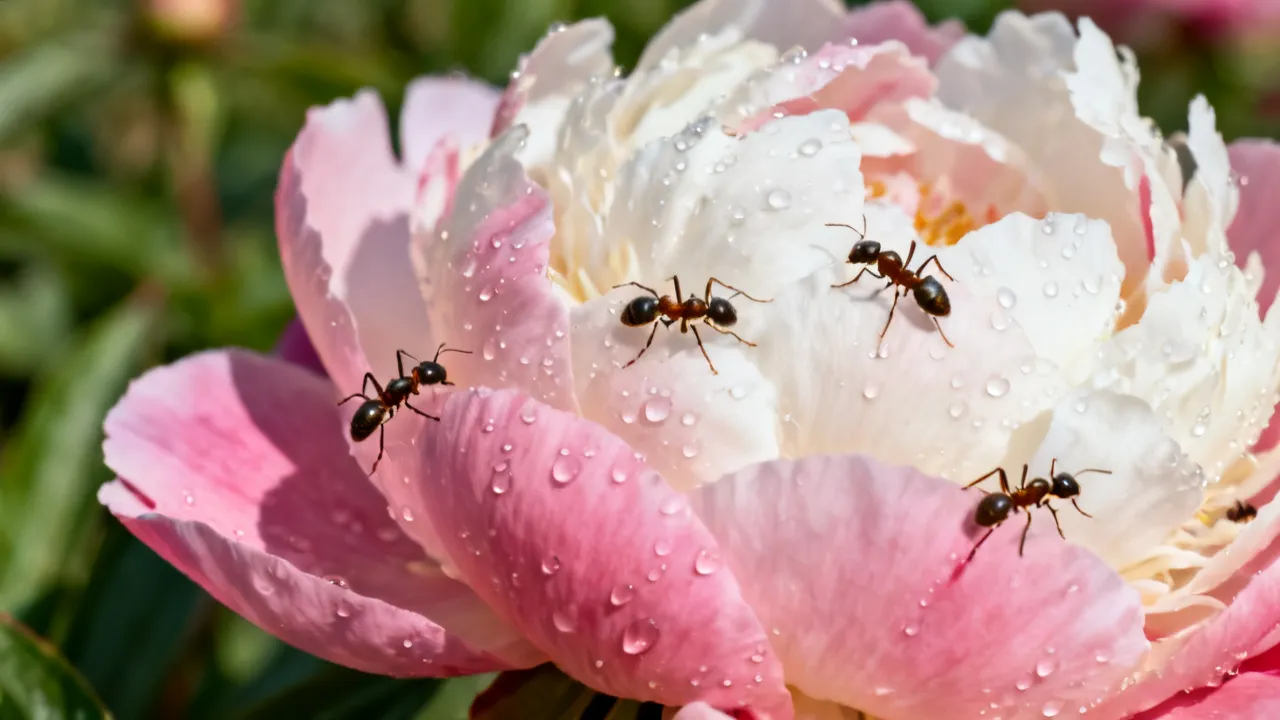
The relationship between peony ants and peonies represents a striking example of mutualism in nature. Contrary to popular belief, the presence of these ants on peony blooms is not a cause for alarm. They do not damage the flowers; instead, they are attracted to the sweet nectar that coats the flower buds. This article explores why ants are drawn to peonies and how this relationship benefits the blooming process, shedding light on the fascinating interplay between these tiny insects and one of the most beloved garden plants.
Peony buds secrete a sticky nectar that is rich in sugars. This substance serves as a reward for ants, inviting them to visit the buds repeatedly. This phenomenon is not only about attraction; it is an intricate dance of survival and growth. As the ants feed on the nectar, they inadvertently transfer the pollen produced by the peonies to other sections of the flower, thereby aiding in its development and overall vitality. In return, as the ants roam over the peony buds consuming nectar, they provide a cleaning service, removing other insects that might otherwise harm the plant. This cleaning process ensures the smooth unfolding of the peony flower as it transitions from bud to bloom. It is remarkable to observe how nature orchestrates such relationships, where ants gain nourishment while simultaneously enhancing the life cycle of the peonies.
Among the diverse world of ants, certain species are specifically associated with peonies. Common species include the *Formica* and *Lasius* ant genera. Each species comes with its unique behaviors and ecological significance. For instance, *Lasius* ants are known for their ability to farm aphids, which can also produce honeydew, another food source. Understanding the different species of peony ants is crucial for gardeners, as it allows them to recognize beneficial behaviors and habits that contribute positively to their garden ecosystem. Observing the various species can be a delightful educational experience as well, particularly for those interested in entomology or the intricate workings of gardens.
Peony ants tend to be specific types of ants that are naturally drawn to the sweet exudates of peony buds. Their activity is very often observed in gardens where peonies flourish. Gardeners sometimes suspect that ants are necessary for peony blooms to open, but this is a misconception. While they help clean the buds, the opening of buds is primarily due to internal cues within the plant, such as hormonal changes triggered by environmental factors like temperature and light exposure. What many may not realize is that the peonies have developed evolutionary traits that allow them to thrive irrespective of the presence of ants. However, the ants do enhance the health and beauty of the peonies significantly by ensuring their flowers remain safe from potential threats.
Beyond their interaction with peonies, these ants play a broader ecological role. They help maintain the balance of insect populations, preying on or discouraging unwanted pests that might otherwise damage a garden's biodiversity. This dynamic places peony ants as part of a larger ecosystem role within the garden setting, showcasing the benefits of their presence. For instance, by actively hunting aphids or other small insects, they reduce the likelihood of infestations that could harm not just peonies, but also other plants within proximity.
Moreover, the presence of these ants can signify a healthy garden environment, as they thrive in safe habitats with abundant food sources. This interconnection reveals the importance of biodiversity, as each species plays a role that can either support or destabilize the ecosystem. In this sense, peony ants are the unsung heroes of the garden, promoting not just the health of peonies but the stability and resilience of the entire growing environment.
Another often-overlooked aspect of the relationship between peony ants and peonies is the role of soil health in their association. Ants are known to aerate the soil as they burrow and forage, facilitating improved nutrient absorption for plants. This aeration promotes healthy root development and ensures that water can permeate the soil effectively. Ant activities contribute to the decomposition of organic materials, enriching the soil with nutrients that are essential for the growth of peonies and other nearby plants. A well-aerated soil with good nutrient composition not only aids in the health of peonies but supports a thriving ecosystem for various forms of plant life.
For gardeners, understanding the relationship between peony ants and peonies can lead to healthier plants and gardens. Embracing these natural allies rather than viewing them as pests can transform gardening experiences. By minimizing chemical pest control methods that may harm beneficial insects, gardeners can cultivate a balanced ecosystem where peonies, ants, and other creatures coexist harmoniously. Promoting this ecological balance can significantly reduce the need for invasive interventions, resulting in a healthier garden environment.
Furthermore, the aesthetic appeal of peonies—often lauded for their vibrant colors and lush blooms—can be attributed to the clean and protected state provided by the presence of these ants. Gardeners striving for beautiful, flourishing landscapes can appreciate the myriad of roles that ants play in the blooming process. This relationship enriches their gardening practices, allowing them to appreciate the complexities and intricacies of nature.
Although many gardeners value the presence of peony ants, there are still some negative perspectives about them that persist. Often, concerns arise regarding ant bites or their perceived invasiveness in home gardens. While it is true that some ant species can be aggressive if they feel threatened, peony ants are generally harmless. However, educating gardeners about the benefits of these ants and addressing these concerns thoughtfully is crucial. Understanding their ecological role can help dispel myths and foster a more appreciative view of these insects. In many cases, the benefits far outweigh any potential inconveniences posed by their presence in gardens.
No, peony ants are generally focused on the nectar-producing peony buds and do not negatively impact other plants. Their primary interactions are beneficial and supportive of overall garden health.
No, peony ants do not play a major role in the pollination process. Their primary interaction with peonies involves feeding on nectar rather than transporting pollen; however, their activity can encourage a cleaner flower environment that indirectly supports pollination.
Yes, if desired, gardeners can gently wash ants off with water, though it's important to note the ants are harmless to the flowers. Instead, consider letting them remain to perform their beneficial duties.
Should aphids appear, consider introducing beneficial insects such as ladybugs or using neem oil as a natural remedy. Avoid using heavy chemicals that can harm beneficial ants and other insects.
Maintaining biodiversity in your garden by planting a variety of flowers, minimizing pesticide use, and providing water sources will attract beneficial insects, including peony ants.
The intriguing dynamics between peony ants and peony flowers highlight an often-overlooked aspect of garden ecology. Understanding this natural interaction can enrich a gardener's approach, ensuring a harmonious and thriving garden environment. These ants, once misunderstood, now earn recognition for their quiet yet essential role in the blooming lifecycle of peonies. By learning about, embracing, and respecting these tiny yet mighty creatures, gardeners can foster healthier and more beautiful gardens that reflect the complex interdependencies in nature.
Moreover, cultivating an appreciation for the multifaceted relationships between plants and insects enables a deeper connection to the environment. As we become more aware of these connections, we are likely to engage in more sustainable gardening practices that support not only our gardens but also the larger ecosystem. Whether you are an experienced gardener or a novice, the symbiosis between peony ants and peonies serves as a perfect reminder of the beautiful complexity of nature at work.
For further exploration into this topic and an in-depth understanding of garden ecosystems, numerous botany journals and ecological studies document the symbiosis of ants and flowering plants. Books such as "The Ants" by Bert Hölldobler and Edward O. Wilson provide detailed insights into various ant species and their ecological impacts. Online repositories such as JSTOR or Google Scholar can also offer access to peer-reviewed studies that dissect these fascinating relationships, providing insights for both amateur and expert gardeners alike.
Additionally, local extension services, such as those offered by universities, can provide practical advice and educational resources on how to support beneficial insects within your gardening practices. Attending workshops or engaging with gardening clubs can also enrich your understanding and acquisition of skills related to maintaining a vibrant and healthy garden ecosystem.
Striking the Perfect Balance: Navigating Premiums and Out-of-Pocket Expenses in Senior Insurance Plans

Explore the Tranquil Bliss of Idyllic Rural Retreats

How to Make Lasting Memories at Disneyland Attractions

Affordable Phones and Plans for Seniors

Affordable Full Mouth Dental Implants Near You

Unlock the Top Kept Secrets to Finding Your Ideal Dentist for Flawless Dental Implant Results!

Discovering Springdale Estates

The Guide to Car Trading

Affordable Cell Phones Without Plans

Striking the Perfect Balance: Navigating Premiums and Out-of-Pocket Expenses in Senior Insurance Plans
Finding an optimal mix of insurance premiums and direct medical costs is crucial for effective healthcare budgeting. This discussion will delve into tactics to achieve a balance that aligns with your finances.
Unlock the Top Kept Secrets to Finding Your Ideal Dentist for Flawless Dental Implant Results!
Selecting an adept dentist is critical for ensuring the efficacy and your satisfaction during a dental implant procedure. This in-depth guide is designed to assist you in finding a dental expert who meets your personal requirements, guaranteeing that your path to dental implant success is seamless and fruitful.

Protect Your Perfect Smile: Master the Art of Defending Your Teeth Against Acid Attacks
Though they may tantalize the palate and invigorate the senses, foods and drinks with high acid content are a double-edged sword with regard to oral wellness. Continual exposure to these substances progressively strips away the protective enamel from our teeth, which can lead to increased sensitivity, changes in coloration, and a variety of other dental complications. This composition offers insight into relishing these zesty favorites while safeguarding your teeth from damage.

Discovering Heartis Eagle Mountain
Heartis Eagle Mountain is a prominent senior living community that offers a range of services and amenities aimed at enhancing the quality of life for its residents. Situated in a peaceful setting, it combines exceptional care with engaging activities, providing a holistic environment that caters to seniors' physical, emotional, and social needs.

Unveiling the Top Dental Implant Options for Seniors: Transform Your Smile with the Ultimate Guide to Restored Radiance
The significance of oral health cannot be understated for the elderly population as they are commonly afflicted with tooth loss due to a multitude of factors, including decay and gum disease. Dental implants have risen to prominence as a prime method of teeth replacement, acclaimed for their long-lasting nature, functional prowess, and striking similarity to our own teeth. This discussion delves deeply into the realm of dental implants to demonstrate why they are considered the optimal choice for aged individuals aiming to enhance their smiles and overall life quality.

Boost Your Defenses: 20 Proven Strategies for a Stronger Immune System
Having a robust immune system is essential to protect our bodies from harmful microorganisms and preserve our general health. Although some elements that affect our immunity are out of our hands, many lifestyle decisions can help us enhance our immune defenses naturally. This piece delves into 20 practical methods to empower your immune system, increasing your capacity to ward off diseases and sicknesses.
