Peony ants play a fascinating role in the life of peony flowers, acting as diligent protectors while deriving benefits from the plant. The symbiosis between peony ants and flowers is an example of mutualism in nature where each organism significantly benefits from the other. Understanding this relationship sheds light on the complexities of natural ecosystems and offers insights into the delicate balance required for these interactions to thrive.
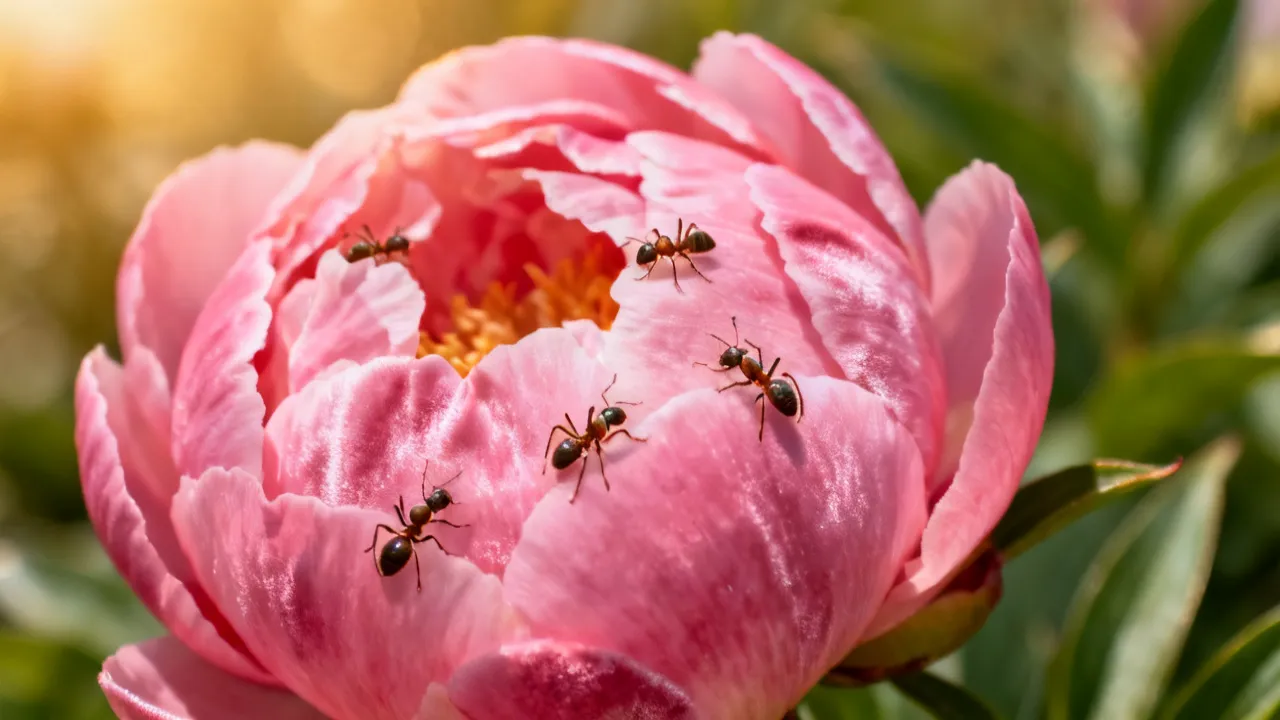
Peony ants are a unique feature often observed on the lush buds of peony flowers, creating a sense of intrigue among garden enthusiasts. Far from being a mere coincidence, the presence of these ants underscores a fascinating example of ecological mutualism, wherein both the ants and the peony plants benefit from each other’s presence. This article delves into the intriguing dynamics between peony ants and peony flowers, unraveling how this relationship unfolds and its significance in the broader tapestry of nature. The subsequent sections will explore not just the relationship between these specific ants and peony flowers, but also how such mutualistic relationships contribute to the broader ecosystem, the evolutionary aspects of such interactions, and practical advice for gardeners keen on sustaining these dynamics.
Ants are frequently seen on peony plants, particularly during the blooming season, lured by the sweet nectar seeping from the peony buds. This nectar is rich in sugars, providing a lucrative food source for the ants. In exchange, the ants offer a service to the peonies by deterring other insects that may harm the plants. This synergy exemplifies mutualism—a type of symbiotic relationship where both parties gain substantial benefits. Furthermore, these interactions are not isolated incidents but reflect a broader pattern seen across various plant and insect species in nature.
Mutualism is a common interaction in nature where two different species interact and exert a reciprocal beneficial influence on each other. In the case of peony ants and flowers, this interaction is subtle yet powerful. The ants guard the buds from harmful pests, such as aphids and caterpillars, which may otherwise damage or consume parts of the plant before they reach full bloom. Meanwhile, the ants have easy access to a reliable source of nourishment, thus supporting their survival and proliferation. This relationship highlights a critical aspect of ecological networks: the reliance of many organisms on one another for food and protection, which in turn fosters a balanced ecosystem.
| Element | Details |
|---|---|
| Ants' Benefit | Continuous supply of nectar from peony flower buds |
| Peonies' Benefit | Protection from harmful insects, ensuring healthy bloom |
The relationship between peony ants and the flowers speaks volumes about the ecological balance and the delicate interactions within ecosystems. It demonstrates how species have evolved to coexist and support each other over time to enhance their survival rates. These interactions are crucial for maintaining biodiversity and ecosystem health, contributing to the resilience of the environment as a whole. An awareness of such dynamics prompts a deeper inquiry into how mutualistic relationships shape communities, affect food chains, and promote stability across varying habitats.
In addition to ants, peonies also rely on various pollinators, such as bees and butterflies, to facilitate reproduction. While ants primarily help protect the flowers from pests, pollinators are essential for fertilization, contributing to seed production. The presence of ants may indirectly enhance the effectiveness of pollinators by reducing pest populations, providing a two-fold advantage for the peonies. Gardeners should thus consider not only the ants but the entire community of organisms that interact with their plants. Planting a variety of flower species can attract a range of pollinators, which supports both pollination and the health of the broader ecosystem.
Peony ants are just one example of mutualism in nature. Numerous other instances highlight the importance of these relationships. For instance, the well-documented partnership between aphids and ants showcases how ants protect aphids in exchange for honeydew—a sugary substance the aphids produce. Similarly, the relationship between oxpeckers and large mammals, where birds eat parasites off the mammals' skin, benefits both the birds (food source) and the mammals (reduced parasite load). These examples illustrate that mutualistic relationships are fundamental to ecosystem dynamics and demonstrate the interconnectedness of life on Earth.
For garden enthusiasts, understanding this symbiotic relationship can influence how they care for their plants. Seeing ants on peonies shouldn't be a cause for alarm but rather an indicator of a healthy ecosystem at work. By fostering such environments where these relationships can thrive, gardeners can enhance the resilience of their plants while preserving natural processes. Embracing organic gardening practices can lead to a more balanced approach that nurtures these beneficial interactions.
While the relationship between peony ants and flowers is generally beneficial, there are circumstances where ant populations can become too large, potentially leading to other issues. For instance, if the ant population becomes overly dominant, they may inadvertently protect harmful aphids or mealybugs that can damage other plants. In such cases, gardeners must monitor the situation closely and determine the best course of action. Implementing measures such as introducing natural predators like ladybugs can help keep aphid populations in check.
Another factor to consider is the impact of environmental changes. Deforestation, climate change, and urbanization can affect ant populations and their interaction with peonies. Understanding these external pressures is crucial for long-term gardening success. Engaging in community initiatives that promote ecological health and awareness, such as supporting local conservation efforts, can also contribute positively to these dynamics.
The presence of ants on peonies is not only a natural marvel but also a testament to the complex and interdependent relationships that sustain ecosystems. The mutualistic interactions between peony ants and peony flowers illustrate the seamless collaboration between different species, crucial for promoting health, resilience, and biodiversity within gardens and larger ecosystems. By recognizing and respecting these interactions, gardeners and horticulturalists can contribute to preserving the delicate harmony of nature. This understanding fosters rich, vibrant, and stable gardens where every organism, no matter how small, plays a significant role. Through thoughtful gardening practices, we can celebrate and maintain the drama of life that unfolds in every bloom and blossom, thus continuing the cycle of life and interdependence that defines our world.
For those interested in exploring the fascinating world of plant-insect interactions further, several valuable resources are available. Books on entomology and botany often include sections addressing mutualism and other relationships that shape ecosystems. Journals and articles focused on ecology and horticulture can further deepen your understanding of specific interactions relevant to gardening practices.
As garden enthusiasts and caretakers of our environment, we hold a profound responsibility to foster diverse ecosystems. By becoming informed about the roles of ants and other insects, we can ensure that our gardens remain vibrant, productive, and environmentally friendly. Participating in local gardening clubs, volunteering for conservation initiatives, or engaging in community educational workshops can all enhance our understanding and appreciation of these crucial relationships. Together, we can cultivate a more sustainable future for our gardens and the ecosystems they inhabit.
Striking the Perfect Balance: Navigating Premiums and Out-of-Pocket Expenses in Senior Insurance Plans

Explore the Tranquil Bliss of Idyllic Rural Retreats

How to Make Lasting Memories at Disneyland Attractions

Affordable Phones and Plans for Seniors

Affordable Full Mouth Dental Implants Near You

Unlock the Top Kept Secrets to Finding Your Ideal Dentist for Flawless Dental Implant Results!

Discovering Springdale Estates

The Guide to Car Trading

Affordable Cell Phones Without Plans

Striking the Perfect Balance: Navigating Premiums and Out-of-Pocket Expenses in Senior Insurance Plans
Finding an optimal mix of insurance premiums and direct medical costs is crucial for effective healthcare budgeting. This discussion will delve into tactics to achieve a balance that aligns with your finances.
Unlock the Top Kept Secrets to Finding Your Ideal Dentist for Flawless Dental Implant Results!
Selecting an adept dentist is critical for ensuring the efficacy and your satisfaction during a dental implant procedure. This in-depth guide is designed to assist you in finding a dental expert who meets your personal requirements, guaranteeing that your path to dental implant success is seamless and fruitful.

Protect Your Perfect Smile: Master the Art of Defending Your Teeth Against Acid Attacks
Though they may tantalize the palate and invigorate the senses, foods and drinks with high acid content are a double-edged sword with regard to oral wellness. Continual exposure to these substances progressively strips away the protective enamel from our teeth, which can lead to increased sensitivity, changes in coloration, and a variety of other dental complications. This composition offers insight into relishing these zesty favorites while safeguarding your teeth from damage.

Discovering Heartis Eagle Mountain
Heartis Eagle Mountain is a prominent senior living community that offers a range of services and amenities aimed at enhancing the quality of life for its residents. Situated in a peaceful setting, it combines exceptional care with engaging activities, providing a holistic environment that caters to seniors' physical, emotional, and social needs.

Unveiling the Top Dental Implant Options for Seniors: Transform Your Smile with the Ultimate Guide to Restored Radiance
The significance of oral health cannot be understated for the elderly population as they are commonly afflicted with tooth loss due to a multitude of factors, including decay and gum disease. Dental implants have risen to prominence as a prime method of teeth replacement, acclaimed for their long-lasting nature, functional prowess, and striking similarity to our own teeth. This discussion delves deeply into the realm of dental implants to demonstrate why they are considered the optimal choice for aged individuals aiming to enhance their smiles and overall life quality.

Boost Your Defenses: 20 Proven Strategies for a Stronger Immune System
Having a robust immune system is essential to protect our bodies from harmful microorganisms and preserve our general health. Although some elements that affect our immunity are out of our hands, many lifestyle decisions can help us enhance our immune defenses naturally. This piece delves into 20 practical methods to empower your immune system, increasing your capacity to ward off diseases and sicknesses.
