This guide explains how epayslips and online banking workflows connect to common account-opening rewards, especially where “Epayslips >@ Grz Gov Zm” appears in searches. It also compares major U.S. bank checking offers, then outlines practical steps to qualify for deposit-linked bonuses. Background context covers why direct deposits, identity verification, and account terms matter.
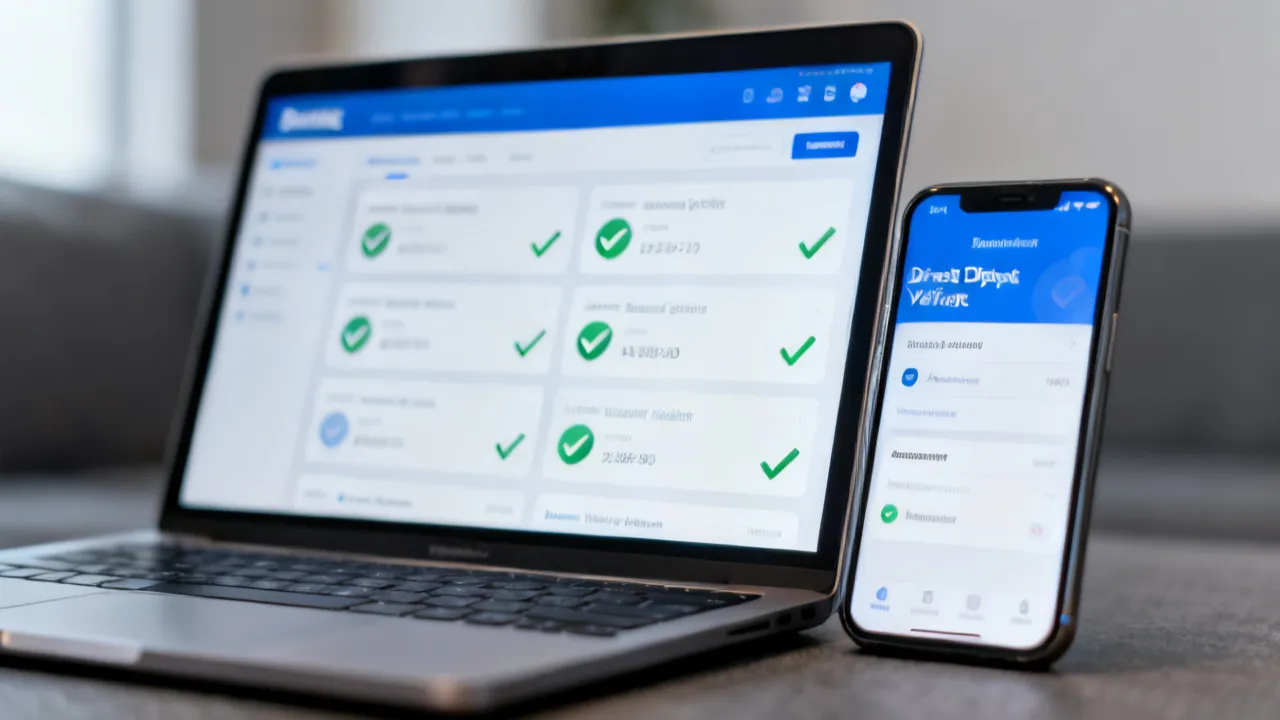
When you search for “Epayslips >@ Grz Gov Zm”, you’re typically trying to connect two separate ideas that, in real life, often show up in the same user journey: (a) receiving earnings documentation (commonly through digital payroll records that many people call ePayslips or epayslips) and (b) qualifying for a bank account bonus tied to deposits. The overlap is understandable: both tasks relate to income and employment, both matter for identity and onboarding, and both appear early in “get my finances organized” efforts.
That said, the operational reality is usually straightforward. In most promotions, the reward is driven by direct deposit activity—that is, deposits from your employer or payroll provider into your newly opened account—rather than by uploading pay documents or proving earnings to the bank via payslip files. In other words, epayslips can be helpful infrastructure, but the bonus typically doesn’t “trigger” because a payslip was uploaded; it triggers when deposit conditions are met.
So the fastest path for most people looks like this:
In many modern onboarding flows, epayslip-style records also help individuals validate things like pay frequency (weekly/biweekly/monthly), pay dates, and consistent income amounts—information that can reduce errors when entering employer data, completing identity verification, or setting up payroll redirects. But the bank reward itself is generally tied to direct deposit events, not to the mere existence of a digital payroll statement.
Digital payroll records—often referred to by customers as ePayslips or simply payslips—are increasingly used to streamline tasks like tax documentation, employment verification, and internal budgeting. While the label “epayslips” can mean different things depending on employer and country, the pattern is familiar: employees receive digital pay records instead of (or alongside) paper checks.
In parallel, banks use bonuses to encourage customer acquisition and account usage. A typical strategy is deposit-linked promotions: the bank wants customers to move their paycheck to a new account, because that creates retention and predictable inflows. As a result, promotions frequently require direct deposits completed within a specific window (often 90 days or similar).
From a risk-and-operations standpoint, banks prefer measurable events like direct deposits. A direct deposit is a transaction type that can be tracked consistently, often with clear metadata. That observability reduces fraud risk and reduces ambiguity compared with one-time transfers. It also means the bank can enforce conditions like “must receive at least X dollars” or “must have Y deposits within Z days.”
Put simply: the overlap you see in queries like “Epayslips >@ Grz Gov Zm” usually indicates user intent—people want both payroll documentation and deposit-connected account benefits. When search terms include location cues such as “nearby,” it’s a reminder that promotions can vary by region, eligibility channel (online vs. branch), and sometimes by customer segment.
Therefore, treat the epayslips component as part of your preparation workflow, and treat the bank bonus as a separate checklist that you complete using the bank’s rules. Combining these two ideas carefully can help you avoid the most common pitfalls: missing the promo code, setting up deposits to the wrong account type, or misunderstanding what qualifies as a “direct deposit.”
Below is a comparison of notable checking or combined account promotions offered by major U.S. banks. While the exact terms may change over time, the structural theme is consistent: you generally must complete direct deposits after opening the account and within a defined time frame. Always verify the current offer terms on the bank’s official pages before you apply, since eligibility can depend on factors like existing customer status, funding sources, and whether you already have certain accounts with the bank.
| Bank (Account Type) | Bonus Condition | Bonus Amount |
|---|---|---|
| Bank of America (Personal Checking) | Deposit at least $2,000 in direct deposits within 90 days | $200 |
| Chase (Total Checking) | Make at least one direct deposit within 90 days | $300 |
| Citibank (Regular Checking) | Complete two direct deposits totaling $6,000+ within 90 days | $450 |
| Wells Fargo (Everyday Checking) | Deposit a total of $1,000 in direct deposits within 90 days | $300 |
| SoFi Bank (Checking and Savings) | Deposit $1,000 for $50 bonus or $5,000 for $300 bonus in direct deposits | $50–$300 |
| Capital One (360 Checking) | Use promo code REWARD250; make two $500+ direct deposits within 75 days | $250 |
Important note about interpretation: These offers generally specify direct deposit thresholds and deposit windows. But “direct deposit” can be defined narrowly. To avoid surprises, confirm that your employer’s payroll method is an employer-initiated ACH direct deposit (as opposed to internal transfers, bill pay, or third-party payment apps). Also confirm whether the bonus requires deposits to be posted after account opening, not just initiated.
Links for the table information (official sources):
www.bankofamerica.com/deposits/checking/
accounts.chase.com/consumer/raf/online/rafoffers?key=1934238931
online.citi.com/US/ag/banking/checking-account.
www.wellsfargo.com/checking/
www.sofi.com/banking/
www.capitalone.com/bank/checking-accounts/online-checking-account/
Below is a detailed, practical process you can follow to increase the likelihood that you meet typical bonus requirements. Each bank has its own policies and fine print, but the operational pattern is usually similar across major institutions: enroll correctly, confirm direct deposit setup, meet deposit thresholds, and avoid common pitfalls like mismatched account ownership or depositing to the wrong account type.
Think of the process as two parallel tracks that must align:
If either track fails, the bonus may not post even if you “did what you thought you did.” That’s why the steps below are more about preventing mismatches than about complex finance skills.
Before applying, verify that the promotion is available in your intended location. Some offers change by state, geography, or channel (online vs. branch). If you notice search results mentioning “nearby,” treat it as a hint that eligibility may not be uniform.
Practical approach:
Banks generally require direct deposit, meaning funds arrive electronically from your employer or payroll provider to your bank account. To reduce delays and errors, gather what you need before you open the account:
Also, confirm that your employer can send direct deposit to the type of account you opened (checking typically). Some promotions specify checking accounts, and some do not allow certain funding arrangements.
Use the bank’s official online application flow. The key advantage is alignment: promotion tracking and identity verification generally attach to the account opened under that specific application. If you open through a non-official pathway, or fail to select the intended offer, the bank might not associate the bonus with your profile.
During onboarding, watch for these “small but expensive” errors:
Some promotions specify a code (for example, the Capital One example referenced in the prompt uses REWARD250). If you fail to enter the promo code at the correct step in the application, the bank may not tag your eligibility.
To reduce error:
Once your employer or payroll provider initiates deposits, verify they land in the correct account. A frequent cause of missed bonuses is depositing to the wrong account (e.g., savings instead of checking) or misreading the requirement (e.g., “total deposits” vs. “number of deposits”).
Suggested monitoring routine:
Many major-bank offers use a fixed window like 90 days or 75 days. Build a timeline:
If you’re paid biweekly, “within 90 days” may naturally include about 4–8 deposits depending on timing. If you’re paid monthly, “one deposit within 90 days” may be easier, but “two deposits within 90 days” could still be feasible—if your payroll updates are processed quickly.
Thresholds vary significantly:
Avoid assumptions. For example:
The simplest strategy is to translate the terms into a deposit math plan before the window ends.
Even after you meet the deposit threshold, the bonus may not post immediately. Banks often delay reward posting until the end of the qualification window or until verification completes. If you close the account prematurely, the bank may deny the reward or claw it back.
Conservative approach:
Keep an audit trail. If something doesn’t credit as expected, documentation supports a faster resolution. Practical items to save:
Even though many bonuses post automatically when terms are met, having documentation reduces friction if the bank needs clarification.
Common exclusions include:
Because policies can change, always read the current offer terms displayed at application time. If you’re unsure about a specific direct deposit type, contact support before you rely on it.
From a banking operations viewpoint, the “best” bonus isn’t always the one with the highest advertised dollar amount. It’s the offer with the lowest probability of missed requirements given your paycheck cadence, your deposit timing, and your ability to meet thresholds naturally.
Consider decision logic that matches your income pattern:
Also consider the “cost” side, because a bonus is not always a free win. Some accounts have monthly maintenance fees, minimum balance requirements, or limitations that can indirectly reduce your real net value. Evaluate:
If you’re comfortable closing accounts after bonuses, fees might matter less short-term. But if you want to keep a long-term account, the long-term value matters more than the initial incentive.
Although search intent may connect epayslips with banking bonuses, it’s crucial to keep the relationship accurate. Typically:
Think of epayslips as a “planning tool,” not a “bonus lever.” Planning tools reduce mistakes. Mistakes cause missed bonuses. So the connection is indirect: better payroll documentation can help you set up direct deposit correctly and avoid confusion about pay dates and amounts, which then makes it more likely you meet the deposit thresholds.
Here’s how epayslips can help concretely in a deposit bonus workflow:
One more important point: using epayslips as proof in customer support requests can sometimes be useful if you need to explain why your deposited amounts were different than expected. But again, the bonus is still likely grounded in the direct deposit transactions the bank receives.
Use this checklist before and after opening a new bank account. It’s designed to catch the issues that commonly cause missed bonuses: promo mis-tagging, deposit timing errors, and direct deposit definition misunderstandings.
If you want an even tighter operational routine, consider adding a calendar reminder for: (1) the date your first expected direct deposit should post, (2) the last week of the qualification window, and (3) the estimated reward posting date.
Usually, no. Bank account-opening rewards are generally tied to direct deposit activity according to the promotion terms. ePayslips can help you organize your payroll information and reduce errors, but the bank typically credits rewards based on qualifying deposit transactions—not based on uploaded payslip documents.
In general, direct deposit refers to employer-initiated electronic payroll deposits into your bank account. To be safe, follow the bank’s definition in the offer terms. Avoid relying on internal transfers, person-to-person payments, or third-party app transfers if they aren’t explicitly treated as qualifying direct deposits.
Very often, promotions require deposits to occur after account opening and within the qualification window. Deposits made before opening typically won’t count. Always read the exact wording in the current terms, because this is one of the most common “I thought it would count” misunderstandings.
If the offer specifies a minimum number of deposits or a minimum total deposit amount, missing a required deposit could prevent eligibility. If you’re close to qualifying, review the remaining time and check whether the terms allow partial credit toward a total amount. Some offers require specific deposit counts; others may accept totals with flexibility.
They are not always guaranteed in the sense of “immediate certainty with no further checks.” Even when you meet deposit totals, banks may still verify eligibility based on additional conditions such as customer status, correct promo code attachment, account maintenance requirements, and verification steps. Reading the terms is essential.
Availability can differ by region. Since you may be searching with “nearby” intent, confirm eligibility on the official offer page for your exact state or location before applying.
Timing is defined in the offer terms and can vary by bank and by account verification status. Often, the bonus posts after the qualification window ends and verification completes. Keep the account open during and after the window to avoid accidental forfeiture.
That depends on the promotion’s stated conditions. Some offers permit closure after reward posting, while others require the account to remain open for a period to prevent clawbacks. Review the terms around closure and “account in good standing” requirements.
Many offers allow deposit amounts to vary, as long as you meet the minimum thresholds (either total or per-deposit). If your income is variable, check the math carefully against the offer’s requirements. If the offer is strict about the number of qualifying deposits and minimum amounts per deposit, you may need to ensure that at least the required deposits meet the minimum. If you’re unsure, consult customer service before the end of the qualification period.
In many cases, payroll service direct deposits still count if they result in an employer-initiated ACH direct deposit to your new account. The key is whether the transaction is categorized and processed as qualifying direct deposit under the bank’s definition. If the offer terms are detailed, follow those definitions. When in doubt, ask support how they classify payroll service deposits.
This guide focuses on operational steps and the commonly published mechanics of deposit-linked promotions—direct deposit thresholds and time windows—without relying on speculative outcomes or unverified performance claims. It avoids “guarantee” language and emphasizes that eligibility depends on the bank’s current terms and your account’s compliance.
Because promotions can be location-specific and time-sensitive, readers should consult the official bank pages listed below and the terms displayed during application. If you rely on any particular interpretation of eligibility, verify it with the bank directly—especially if you’re counting on a specific deposit schedule.
References (official links appearing in the article):
https://www.bankofamerica.com/deposits/checking/
https://accounts.chase.com/consumer/raf/online/rafoffers?key=1934238931
https://online.citi.com/US/ag/banking/checking-account.
https://www.wellsfargo.com/checking/
https://www.sofi.com/banking/
https://www.capitalone.com/bank/checking-accounts/online-checking-account/
1) The above information comes from online resources, and the data is as of October 2023. 2) The above information may vary over time and by region. It is advisable to check the official websites of banks or contact customer service for the very up-to-date information before opening an account. Additionally, some rewards may only be available in specific regions or may have other restrictions.
Striking the Perfect Balance: Navigating Premiums and Out-of-Pocket Expenses in Senior Insurance Plans

Explore the Tranquil Bliss of Idyllic Rural Retreats

How to Make Lasting Memories at Disneyland Attractions

4rkojvsx Technology: Industry Insights and Buying Guide

Affordable Phones and Plans for Seniors

Affordable Full Mouth Dental Implants Near You

Unlock the Top Kept Secrets to Finding Your Ideal Dentist for Flawless Dental Implant Results!

Discovering Springdale Estates

Unveiling RS Sul Telecom Services


Leveraging High-Interest CDs for Optimized Investment Returns
Certificates of Deposit (CDs) are commonly viewed as conservative investment vehicles, offering fixed interest over a specified term with principal protection. Although they may not provide the most eye-catching returns compared to stocks or other volatile assets, CDs can indeed play a crucial role in a diversified portfolio aimed at achieving enhanced returns. Here are ways to utilize CD investment strategies to maximize your financial outcomes.

How to Take Advantage of Debt Consolidation Loans: Key Strategies
Taking advantage of debt consolidation loans requires careful planning and disciplined execution. Below are key strategies to ensure that a debt consolidation loan works effectively for you and helps you move towards a stronger financial position:
Maximizing Your Online Home Equity Loan Experience
Homeownership comes with a myriad of financial possibilities, one of which is the ability to tap into your property’s equity. A home equity loan can be a beneficial financial tool, allowing you to leverage the value of your home for various needs such as home improvements, debt consolidation, educational expenses, or other significant purchases. In recent years, securing a home equity loan online has become increasingly popular due to its convenience, speed, and potential cost savings. Here’s how you can maximize your online home equity loan experience:
Understanding Debt Consolidation Loans: Weighing Advantages and Disadvantages
In an economy that often relies on credit, many individuals find themselves managing multiple debts. From credit card balances and car loans to student debt and personal loans, keeping track of various obligations can become overwhelming. Debt consolidation loans emerge as a solution for some, simplifying their financial landscape by combining multiple liabilities into a single loan. This consolidation extends beyond mere convenience; it can wield substantial impacts on one’s financial health. Here, we embark on an exploration of the pros and cons associated with debt consolidation loans, enabling individuals to make informed decisions based on their unique circumstances.

Major US Banks for Online Checking Bonuses
This guide explains how major US banks structure account-opening and direct-deposit bonuses, then shows how to plan deposits to meet eligibility. It also covers objective background on online bank accounts, direct-deposit mechanics, and common compliance factors. Keywords like 822478979788877878878897979797 are discussed naturally as part of a practical, eligibility-focused workflow for Bank of America, Chase, Citibank, Wells Fargo, SoFi, and Capital One.

Essential Guide to Student Loans
Navigating the world of student loans can be a daunting task for many prospective and current students. Understanding the types of loans available, the application process, and the repayment strategies can significantly impact one's financial future. This guide aims to provide comprehensive and factual information about student loans, equipping readers with the knowledge needed to make informed decisions.