Polysulfide adhesive is a versatile bonding material known for its excellent chemical resistance and flexibility. Widely used in industrial applications, this adhesive is particularly favored for its durability and ability to create strong seals, even under extreme environmental conditions. Our article provides an in-depth exploration of its benefits, applications, and industry relevance.
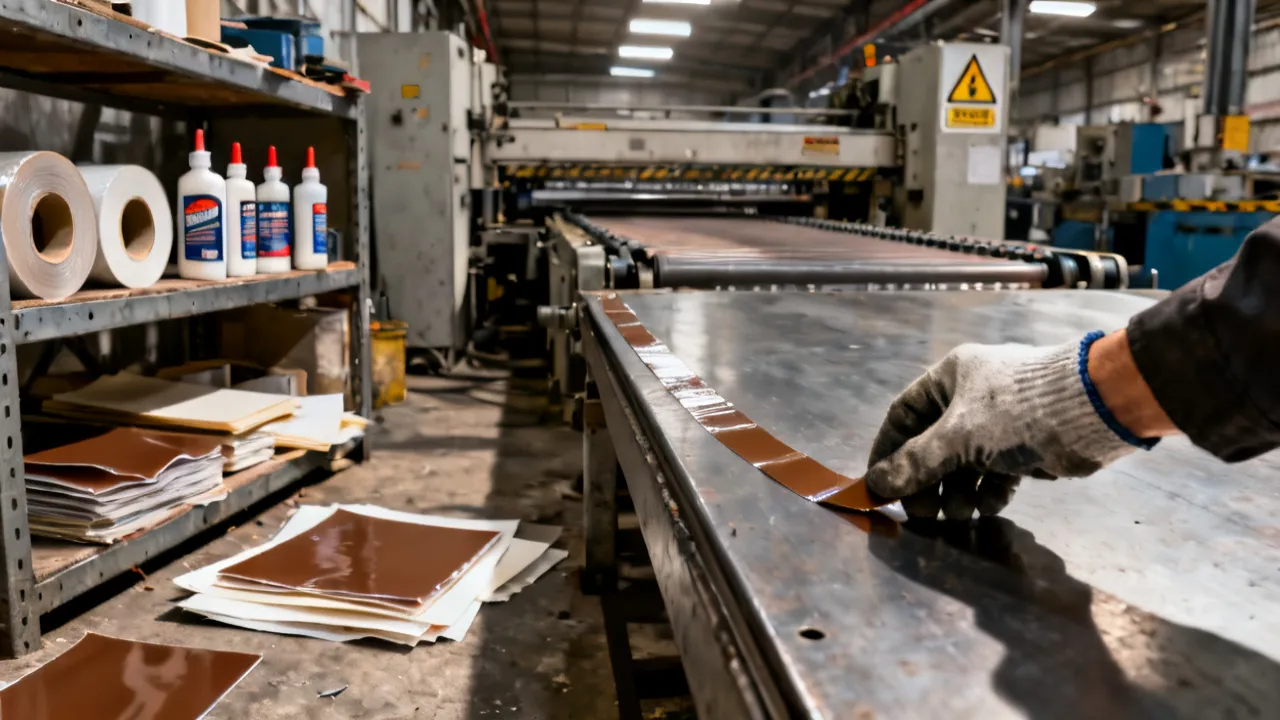
Polysulfide adhesive is renowned for its superior performance in industries requiring robust chemical and environmental resistance. This adhesive comprises polymers linked by sulfide bonds, imparting excellent flexibility and resilience. These properties make it an ideal choice for challenging environments, including aerospace, construction, and marine applications. As its formulation evolves, so has its application spectrum, leading to its increasing popularity in modern engineering solutions.
Its versatility extends to various industrial applications. In marine construction, polysulfide adhesive is utilized for sealing joints in boat decks and hulls, which are regularly subjected to harsh conditions, including water exposure and potentially corrosive environments. Furthermore, the aerospace industry benefits from its high performance in sealing fuel tanks, where any failure could lead to catastrophic consequences. Similarly, in construction, it is favored for glazing work, enhancing durability and weather resistance by providing effective seals against wind, rain, and other environmental stresses. Beyond traditional sectors, polysulfide adhesives are finding emerging uses in the automotive industry for bonding windshields and other components, showcasing their adaptability and effectiveness in high-stress environments.
The adhesive's very noteworthy characteristic is its outstanding chemical resistance, making it suitable for contact with various solvents, oils, and fuels. This level of adaptability allows it to be used in environments where other adhesives might degrade quickly. Its flexibility ensures that it can withstand significant movement or stress without failure, making it ideal for applications involving thermal cycling or dynamic loads. Additionally, polysulfide adhesive has excellent adhesion to various substrates, providing a versatile solution across multiple materials, including metals, plastics, and glass. This effectiveness not only extends the lifespan of materials but also minimizes the risk of structural compromise, contributing to safety and longevity in construction and manufacturing.
| Property | Description |
|---|---|
| Chemical Resistance | Withstands exposure to chemicals, oils, and fuels, making it ideal for automotive and marine applications. |
| Flexibility | Maintains integrity under dynamic stresses and thermal changes, allowing for use in various environments. |
| Strong Seals | Creates durable seals in various substrates, including metals and glass, increasing structural integrity. |
| Thermal Stability | Performs well under extreme temperature variations, making it suitable for diverse climatic conditions. |
| Durability | Resists UV exposure and aging, ensuring long-term performance even in hostile environments. |
| Easy Application | Available in different formulations and can be applied using standard tools, enhancing usability. |
While polysulfide adhesives excel in certain areas, they are often evaluated in comparison to other options such as polyurethane and silicone adhesives. Polyurethane adhesives are known for their excellent bonding strength and are often utilized in structural applications; however, they may not match the chemical resistance of polysulfides, especially in environments that involve exposure to fuels or solvents which could compromise the bond integrity. On the other hand, silicone adhesives provide superior elasticity and thermal stability, making them suitable for applications that require high flexibility; nonetheless, they may lack the mechanical robustness in harsh environments where polysulfides thrive. It's critical to weigh these factors when determining the appropriate adhesive for a specific use case, as the wrong choice could lead to significant failures or safety issues.
Choosing the appropriate adhesive involves considering the specific demands of the application, including mechanical stress, chemical exposure, and environmental factors. Polysulfide adhesive is the preferred choice for situations requiring good exposure to harsh conditions due to its combination of flexibility and chemical resilience. The selection process should also consider the specific requirements for application technique, curing time, and desired performance characteristics, consequently ensuring that the best possible adhesive solution is applied. Testing and evaluation are often necessary to mitigate any risks associated with adhesion failure, especially in critical applications such as aerospace and marine sectors.
Experts emphasize the importance of selecting the correct bonding agent to avoid premature failure. The unique characteristics of polysulfide adhesive make it indispensable in scenarios where other adhesives fall short, particularly in good performance under mechanical and chemical stress. Professionals in the field advocate for thorough material compatibility assessments, understanding environmental conditions, and considering load types to optimize adhesive performance. Moreover, ongoing innovations in polysulfide technology are expanding its applications, with research focusing on enhancing its properties, such as reducing curing times and improving adhesion to challenging substrates. Comprehensive training and strategies for proper application are foundational for maximizing the benefits of polysulfide adhesives.
Polysulfide adhesive bonds well with metals, glass, and certain plastics, making it versatile for many industrial applications. Its strong adhesion properties allow for use in various settings, including construction, aerospace, and automotive manufacturing.
It performs exceptionally well across a wide temperature range, maintaining flexibility and strength even in extreme hot or cold conditions. This stability under thermal cycling ensures that the adhesive bond remains intact, even when subjected to repeated expansion and contraction.
While highly effective, it is important to handle with care and adhere to safety guidelines, as some components may require careful disposal. Additionally, users should consider the environmental regulations dictating the use of certain chemicals in their regions.
The curing time varies depending on the specific formulation and environmental conditions, but generally, it can take from a few hours to several days to fully cure. Users should reference manufacturer guidelines for optimal application procedures.
Yes, polysulfide adhesive is often used in environments that are constantly exposed to water, including underwater bonding applications in the marine industry. Its ability to form strong, waterproof seals makes it ideal for such uses.
This adhesive exhibits good resistance to UV radiation, which helps prevent degradation due to sunlight exposure. This property makes it suitable for external applications where UV exposure is a concern.
Polysulfide adhesive stands out for its unique properties that provide crucial advantages in demanding industrial applications. Its ability to form robust seals under challenging conditions makes it an essential material across several fields. For industries that prioritize durability and resistance, polysulfide adhesives continue to be a preferred choice. Their ongoing evolution and improvement promise even broader applications in engineering and manufacturing, setting a high standard for performance in adhesive technology. As industries face the challenges of increased environmental concerns and the demand for high-performance materials, polysulfide adhesives will likely play a critical role in innovative solutions that ensure safety, efficiency, and sustainability.
Striking the Perfect Balance: Navigating Premiums and Out-of-Pocket Expenses in Senior Insurance Plans

Explore the Tranquil Bliss of Idyllic Rural Retreats

How to Make Lasting Memories at Disneyland Attractions

Affordable Phones and Plans for Seniors

Affordable Full Mouth Dental Implants Near You

Unlock the Top Kept Secrets to Finding Your Ideal Dentist for Flawless Dental Implant Results!

Discovering Springdale Estates

The Guide to Car Trading

Affordable Cell Phones Without Plans

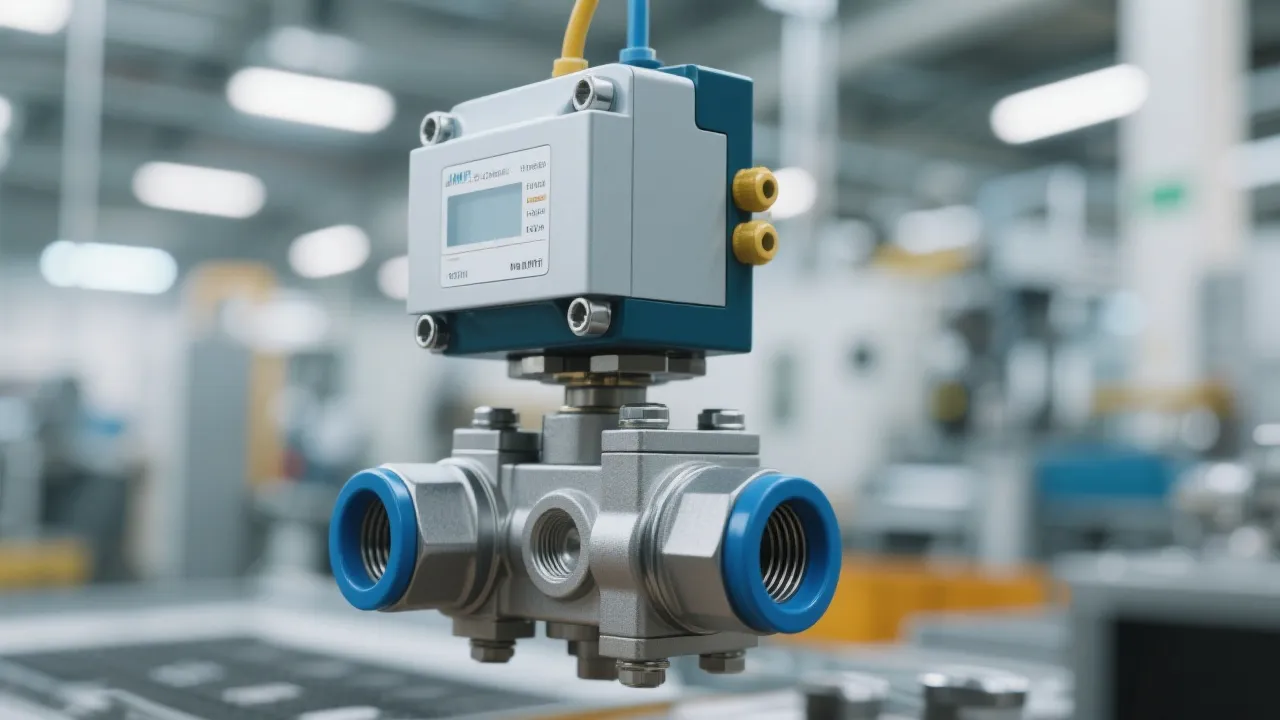
Understanding Proportional Valves
Proportional valves are hydraulic components vital for controlling fluid flow and pressure with high precision in various industrial applications. Their importance in automation and manufacturing settings stems from their ability to offer variable output in response to input signals, greatly enhancing system efficiency and performance.
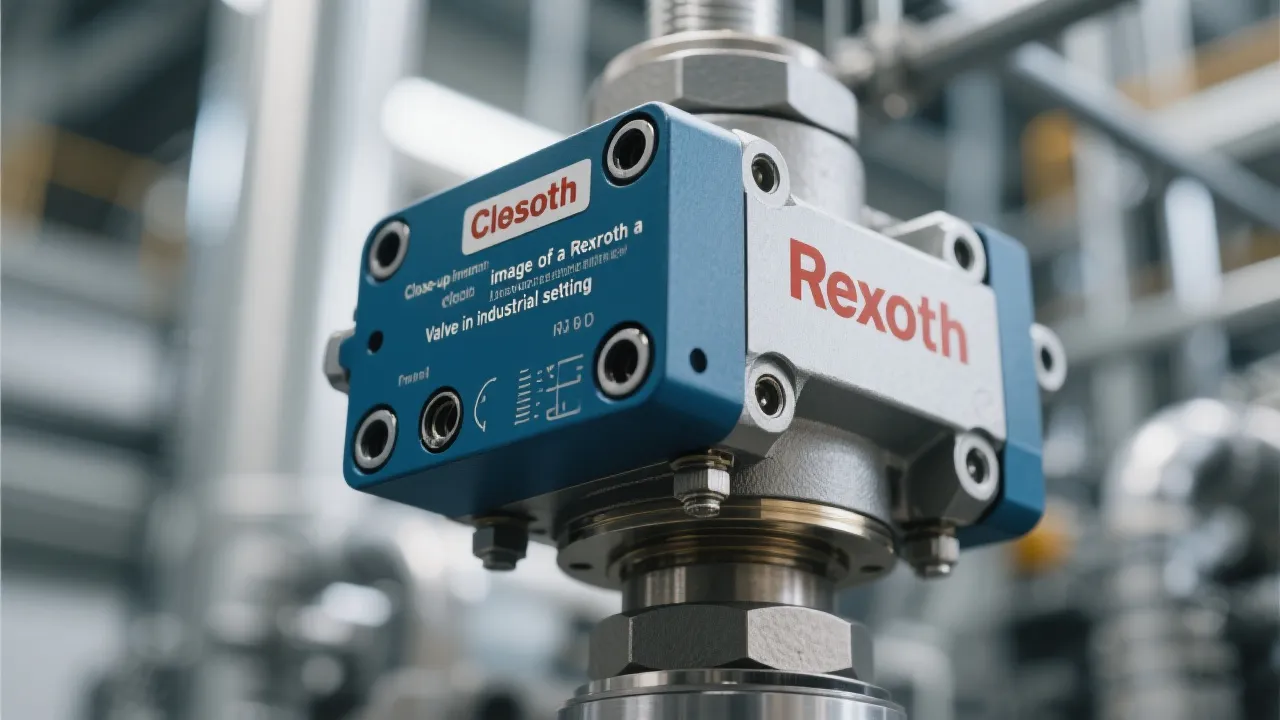
Understanding Rexroth Valve Systems
Rexroth Valves are quintessential components in various industrial applications, known for their precision and reliability. These hydraulic, pneumatic, and electrohydraulic valves regulate fluid flow in machinery, ensuring optimal performance and safety. Understanding their functionality and benefits is crucial for industries seeking efficiency and sustainability in their operations.
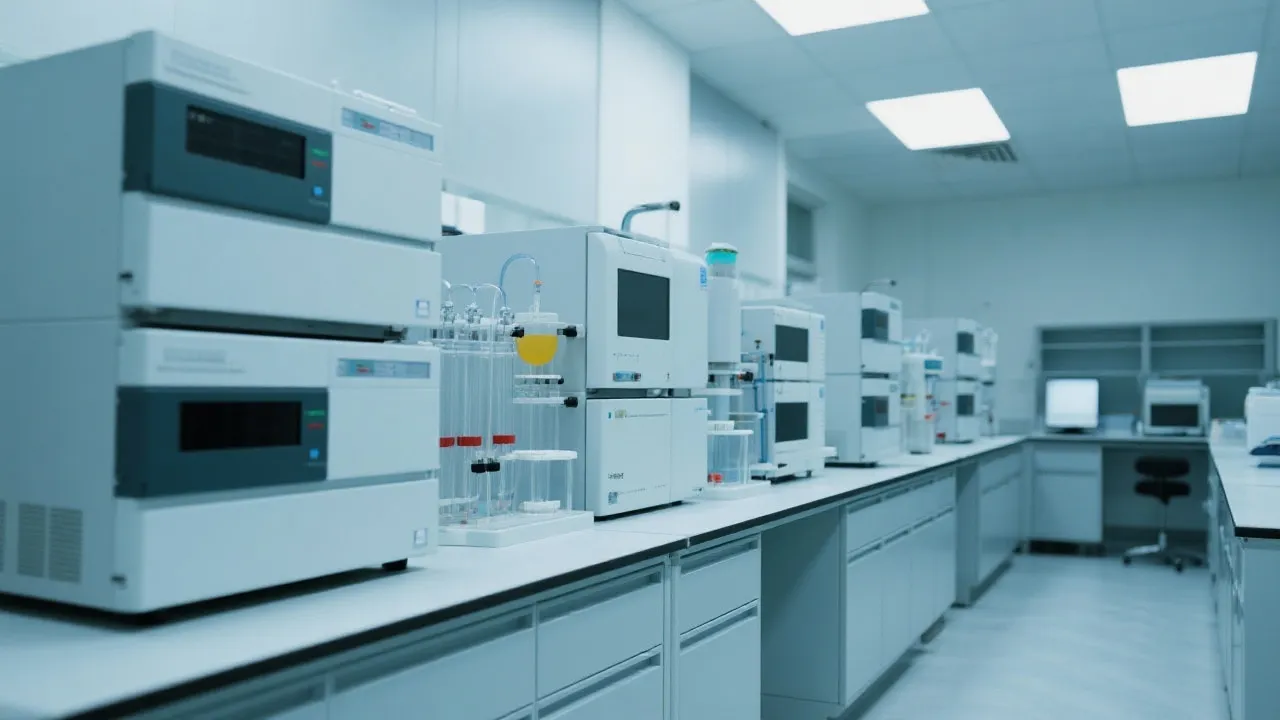
Unveiling Thermo Fisher Chromatography
This article explores the pivotal role of Thermo Fisher Chromatography in modern analytical science. Chromatography is crucial for separating compounds within mixtures, making it indispensable in industries such as pharmaceuticals and environmental testing. Thermo Fisher Scientific stands out in this field for its innovative solutions, leading to improved accuracy and efficiency in research and development.

Understanding Corrosion Inhibitor Manufacturers
In today's industrial landscape, corrosion inhibitor manufacturers play a crucial role in safeguarding equipment and infrastructure against corrosive damage. These manufacturers provide specialized chemicals that prevent corrosion in various environments, including industries such as oil and gas, marine, and construction. Understanding their operations and offerings is essential for selecting the right supplier and maintaining asset longevity.

Analyzing Lm66100 Digikey Components
This article offers an in-depth analysis of the Lm66100 component available through Digikey, a renowned distributor of electronic components. The Lm66100, a load switch, is integral in industry applications, providing efficient power management. This piece explores its features, applications, and availability through Digikey, while offering a comprehensive guide for industry professionals seeking to optimize their electronic designs.

Leading Corrosion Inhibitor Suppliers
Corrosion inhibitor manufacturers play a crucial role in protecting materials from degradation. These companies specialize in creating chemical compounds that slow down or prevent the corrosive effects on various surfaces, especially metals. Understanding their production processes and solutions offered is vital for industries reliant on metal infrastructure.
