Polysulfide adhesive stands out as a durable material commonly used in industrial applications due to its unique properties, such as flexibility and resistance to chemicals. This article delves into the characteristics that make polysulfide adhesives a choice material, an analysis of industry trends, and frequently asked questions about its usage and benefits.
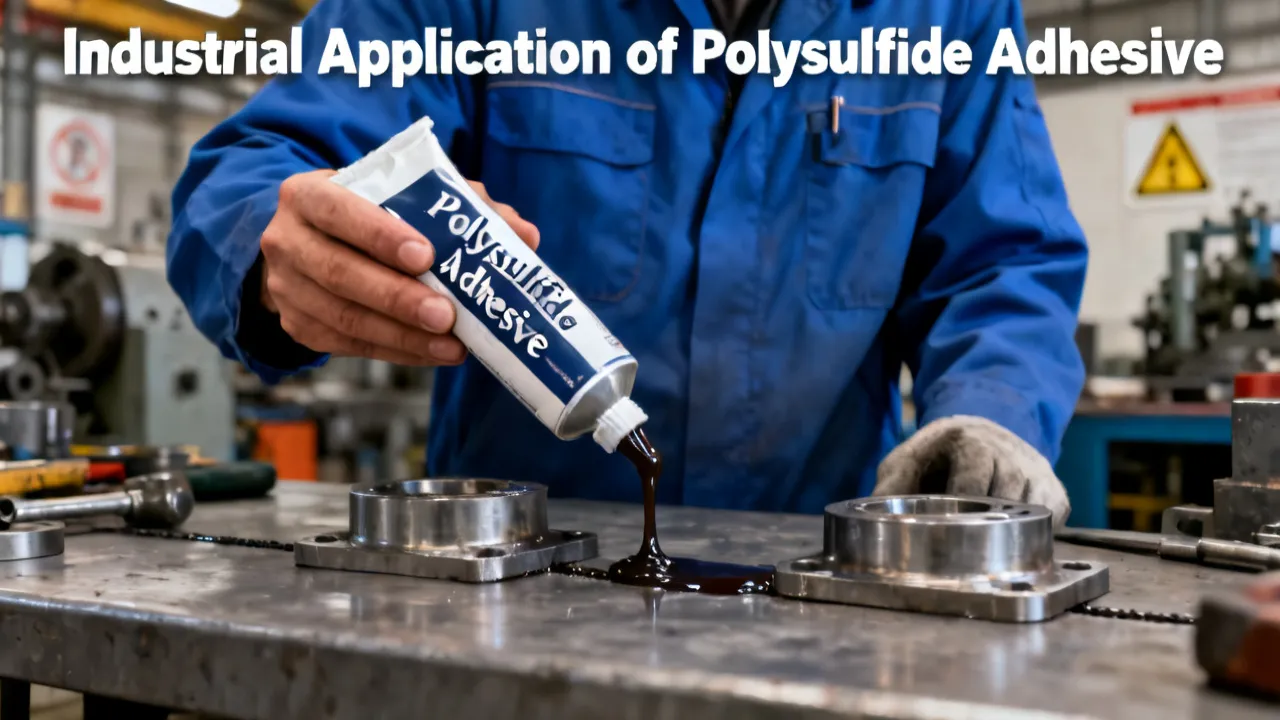
Polysulfide adhesive is a type of sealant notable for its high elasticity, excellent chemical resistance, and robust adhesiveness. These qualities make it indispensable in various industrial settings, especially where long-lasting bonds are necessary. Used extensively in aerospace, maritime, and construction industries, polysulfide adhesive adheres well to a wide range of materials, including metal, plastic, and concrete. Its unique composition allows it to create strong and resilient seals that endure varying environmental conditions without compromising performance.
Polysulfide adhesives are formulated from polysulfide polymers, which consist of chains of sulfur-containing compounds. This unique structure imparts distinctive properties such as flexibility and resistance to degradation. Generally, they can be categorized into two components: the base polymer and the curing agent. When these two components are mixed, a chemical reaction occurs, leading to the formation of a solid yet flexible mass that adheres to substrates effectively.
One of the reasons why polysulfide adhesives are favored in demanding applications is their ability to expand and contract in response to temperature changes. This feature reduces the risk of cracking, which can be a common failure in other rigid adhesives when exposed to extreme thermal variations.
In aerospace, polysulfide adhesives are often utilized for sealing aircraft fuel tanks and windows, primarily due to their chemical resistance and ability to remain flexible under pressure. Moreover, they're used in maritime applications to prevent water ingress and corrosion, making them an ideal choice for boat hulls and underwater equipment seals. Additionally, their role in the construction industry is pivotal; they provide waterproof and durable seals for various structures, including bridges and tunnels.
One of the premier advantages of polysulfide adhesives lies in their conditioning over extreme temperatures. They perform well in both high-heat environments and sub-zero conditions, maintaining structural integrity without cracking or losing adherence. Furthermore, their impressive chemical resistance means they are unaffected by lubricants, fuels, and solvents—further cementing their role in heavy-duty and industrial applications.
Another noteworthy application is in the electrical industry, where polysulfide adhesives are utilized for potting and encapsulating electronic components due to their excellent insulating properties. This helps keep moisture, dust, and other contaminants at bay, which could otherwise compromise the functionality and lifespan of electronic devices.
For professionals choosing the right adhesive, understanding the differences among adhesive types is crucial. Below is a detailed comparison between polysulfide adhesive and other common types:
| Adhesive Type | Properties | Ideal Uses |
|---|---|---|
| Polysulfide Adhesive | Chemical resistance, flexible, durable | Industrial sealing, aerospace, construction |
| Epoxy | High strength, hard, heat resistant | Metal bonding, structural applications |
| Silicone | Waterproof, flexible, UV resistant | Electronics, automotive, household sealing |
| Polyurethane | Flexible, tough, good abrasion resistance | Wood bonding, automotive, and industrial applications |
| Acrylic | Fast-drying, transparent, and easy to use | Pipes and fittings, glass bonding, and cosmetic applications |
Among these, polysulfide adhesives stand out primarily for their adaptability to harsh environments. In contrast, while epoxy adhesives are known for their incredible strength, they lack the flexibility that polysulfide adhesives offer. This flexibility is critical in applications where movement or vibration might occur, allowing the adhesive bond to withstand such forces without failure.
Silicone adhesives, while also flexible and waterproof, do not generally offer the same high levels of chemical resistance found in polysulfide adhesives, making the latter more suitable for industrial applications. Furthermore, polyurethane and acrylic adhesives, while useful for specific tasks, do not match the versatility and enduring properties of polysulfide adhesives, especially in extreme conditions.
The demand for polysulfide adhesives is expected to grow in tandem with the expansion of industries like aerospace and construction. As enterprises vie for greener and more sustainable solutions, polysulfide adhesives offer a reliable option with their low environmental impact. Specifically, their longevity minimizes waste associated with adhesive replacement, aligning well with increasing sustainability goals.
Technological advancements are further expected to enhance the physical properties of polysulfide adhesives, making them even more versatile. Innovative manufacturing techniques and compositions might offer even greater adhesive power, extended lifespan, and improved sustainability. Research is currently ongoing to develop hybrid formulas that would capitalize on the advantageous properties of both polysulfides and other adhesive types, potentially revolutionizing applications across all industries.
Moreover, recent developments in nanotechnology may lead to the incorporation of nanoparticles into polysulfide formulas, enhancing their resistance to environmental factors such as UV radiation, moisture, and temperature fluctuations. Such innovations could broaden the scope of applications for polysulfide adhesives, making them even more sought after in fields where performance is paramount.
One of the standout traits of polysulfide adhesives is their performance in a variety of conditions. They are not only resistant to extreme temperatures, ranging from as low as -50 degrees Fahrenheit to as high as 300 degrees Fahrenheit, but they also resist factors such as water, ozone, and ultraviolet light. This puts polysulfide adhesives in a unique position to serve in environments such as offshore oil rigs, where exposure to saltwater could typically undermine the life of other adhesives.
Furthermore, the resilience of polysulfide adhesives to organic solvents and fuels means they are ideal for use in automotive applications where exposure to harsh chemicals is a frequent occurrence. For instance, in fuel cell technologies, polysulfides can be used to bond components where resistance to hydrogen and methanol is required, thus expanding their use in cutting-edge technologies aimed at improving energy efficiency.
When evaluating polysulfide adhesives for a particular application, several key considerations must be taken into account to ensure optimal performance. These include:
The future of polysulfide adhesives appears promising as industries continue to explore new applications and improve formulations. With the movement towards sustainability and the need for materials that can withstand extreme conditions, the role of polysulfide adhesives will likely grow. As research focuses on enhancing performance characteristics such as bond strength, flexibility, and environmental resistance, polysulfide adhesives will become even more integral to various technological advancements.
Furthermore, collaborations between chemical manufacturers and researchers are pivotal in pushing the boundaries of what polysulfide adhesives can achieve. Expectations for biocompatibility in the medical sector, for instance, may lead to innovative formulations that cater to the stringent requirements in healthcare applications.
In conclusion, polysulfide adhesives play a critical role across multiple industries due to their unique properties and capabilities. Understanding their applications, advantages, and how they compare to other adhesive types helps professionals select the appropriate product for their specific needs. As the industry evolves, so too will the formulations and functional applications of polysulfide adhesives, keeping them relevant and effective in a rapidly changing technological landscape.
Striking the Perfect Balance: Navigating Premiums and Out-of-Pocket Expenses in Senior Insurance Plans

Explore the Tranquil Bliss of Idyllic Rural Retreats

How to Make Lasting Memories at Disneyland Attractions

Affordable Phones and Plans for Seniors

Affordable Full Mouth Dental Implants Near You

Unlock the Top Kept Secrets to Finding Your Ideal Dentist for Flawless Dental Implant Results!

Discovering Springdale Estates

The Guide to Car Trading

Affordable Cell Phones Without Plans

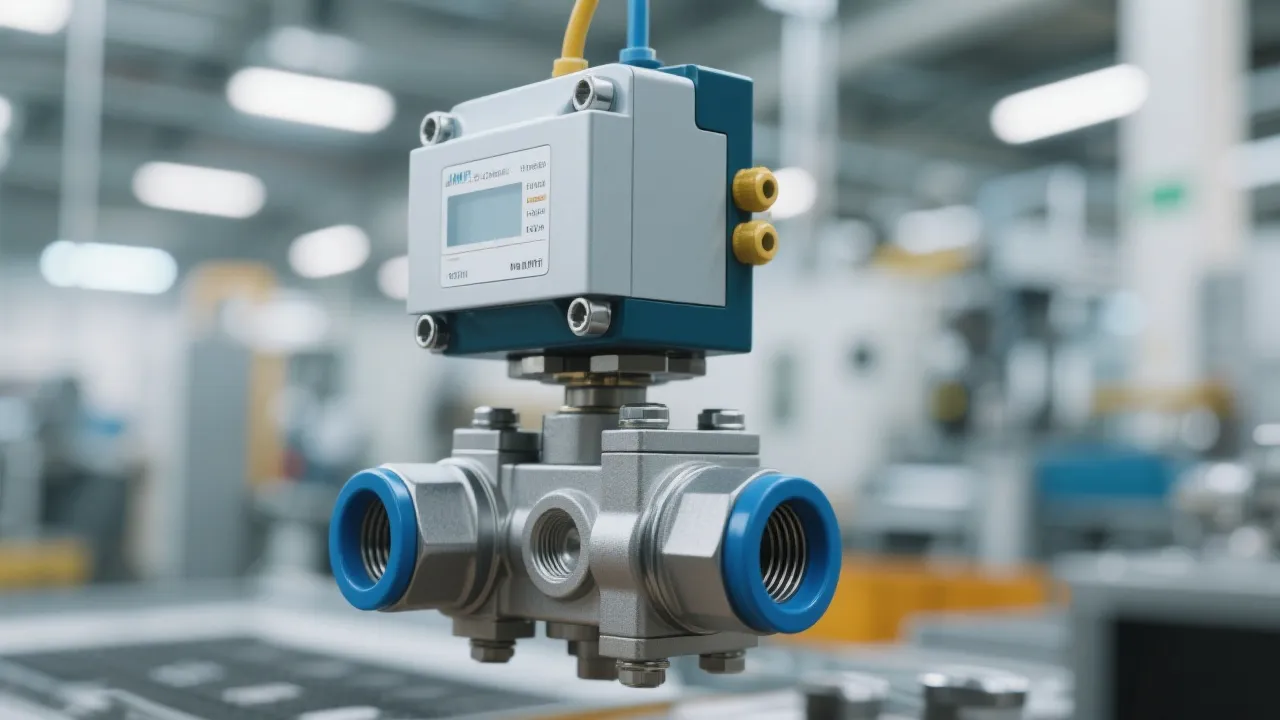
Understanding Proportional Valves
Proportional valves are hydraulic components vital for controlling fluid flow and pressure with high precision in various industrial applications. Their importance in automation and manufacturing settings stems from their ability to offer variable output in response to input signals, greatly enhancing system efficiency and performance.
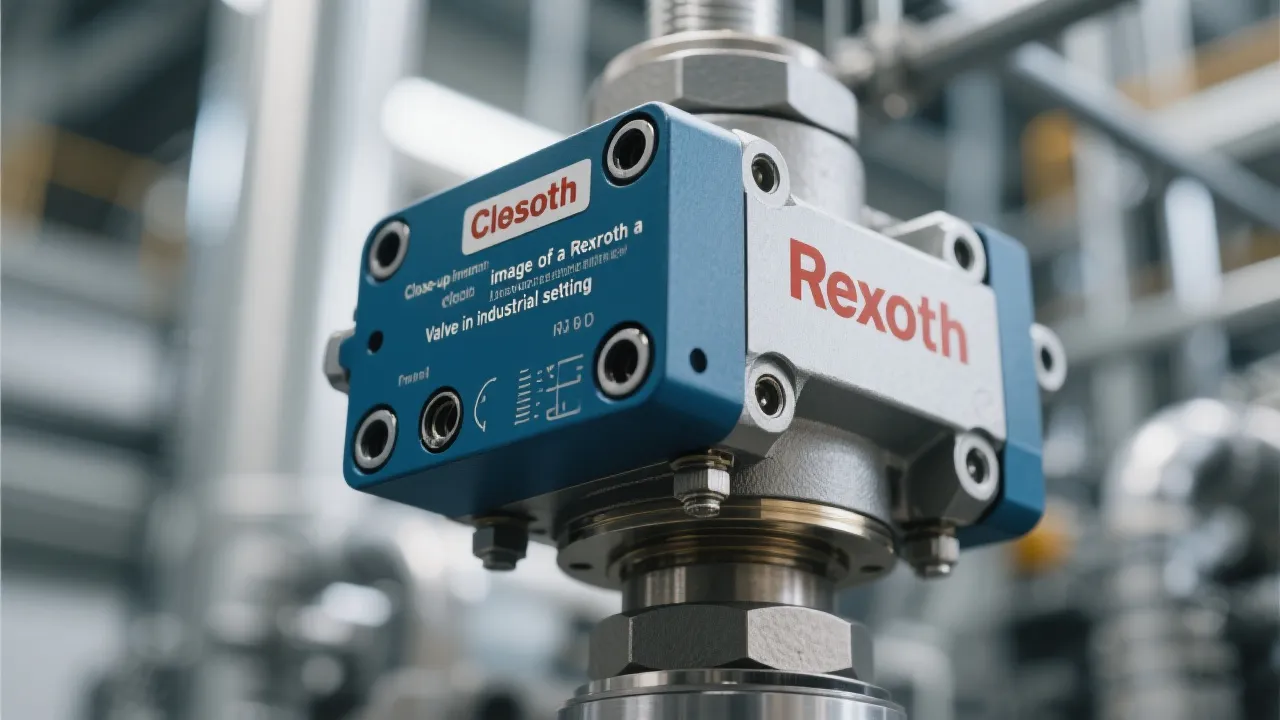
Understanding Rexroth Valve Systems
Rexroth Valves are quintessential components in various industrial applications, known for their precision and reliability. These hydraulic, pneumatic, and electrohydraulic valves regulate fluid flow in machinery, ensuring optimal performance and safety. Understanding their functionality and benefits is crucial for industries seeking efficiency and sustainability in their operations.
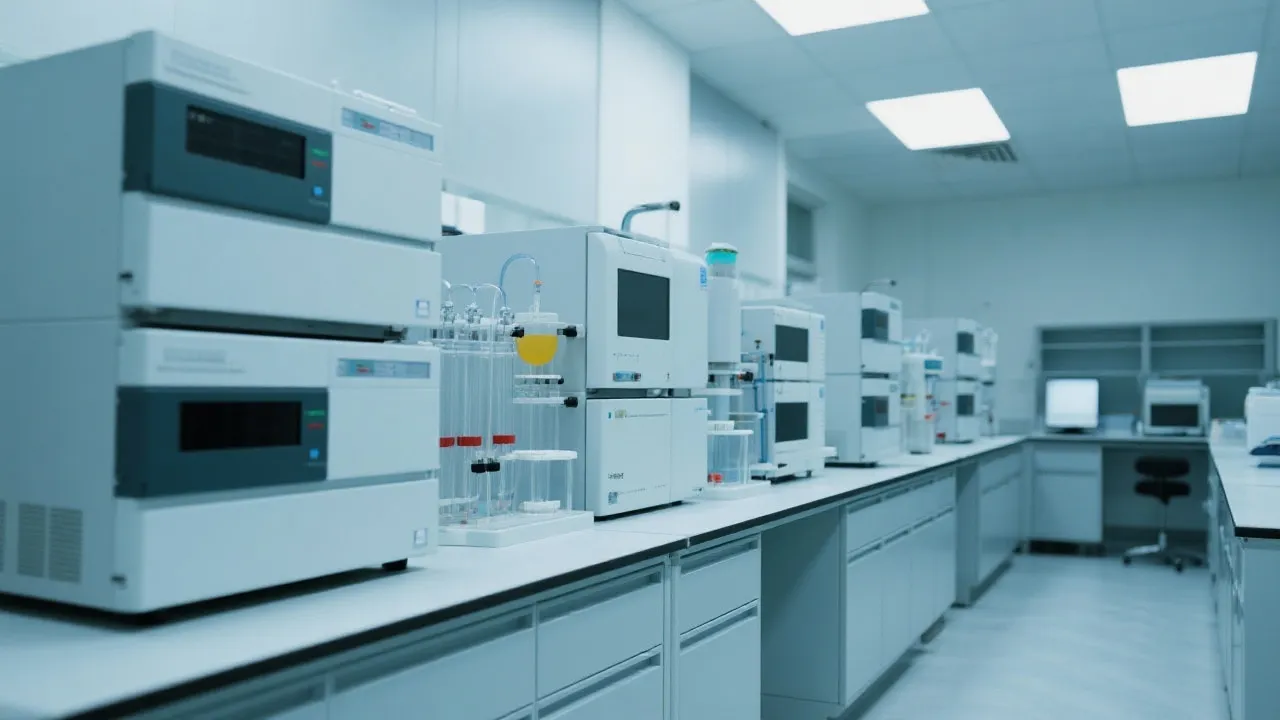
Unveiling Thermo Fisher Chromatography
This article explores the pivotal role of Thermo Fisher Chromatography in modern analytical science. Chromatography is crucial for separating compounds within mixtures, making it indispensable in industries such as pharmaceuticals and environmental testing. Thermo Fisher Scientific stands out in this field for its innovative solutions, leading to improved accuracy and efficiency in research and development.

Understanding Corrosion Inhibitor Manufacturers
In today's industrial landscape, corrosion inhibitor manufacturers play a crucial role in safeguarding equipment and infrastructure against corrosive damage. These manufacturers provide specialized chemicals that prevent corrosion in various environments, including industries such as oil and gas, marine, and construction. Understanding their operations and offerings is essential for selecting the right supplier and maintaining asset longevity.

Analyzing Lm66100 Digikey Components
This article offers an in-depth analysis of the Lm66100 component available through Digikey, a renowned distributor of electronic components. The Lm66100, a load switch, is integral in industry applications, providing efficient power management. This piece explores its features, applications, and availability through Digikey, while offering a comprehensive guide for industry professionals seeking to optimize their electronic designs.

Leading Corrosion Inhibitor Suppliers
Corrosion inhibitor manufacturers play a crucial role in protecting materials from degradation. These companies specialize in creating chemical compounds that slow down or prevent the corrosive effects on various surfaces, especially metals. Understanding their production processes and solutions offered is vital for industries reliant on metal infrastructure.
