Polysulfide adhesive is a versatile bonding agent renowned for its durability and resistance to extreme environmental conditions. Originally developed for use in the aerospace industry, its properties make it ideal for both industrial and commercial applications. This guide offers an in-depth exploration of polysulfide adhesive, its uses, advantages, and factors to consider when selecting it for specific projects.
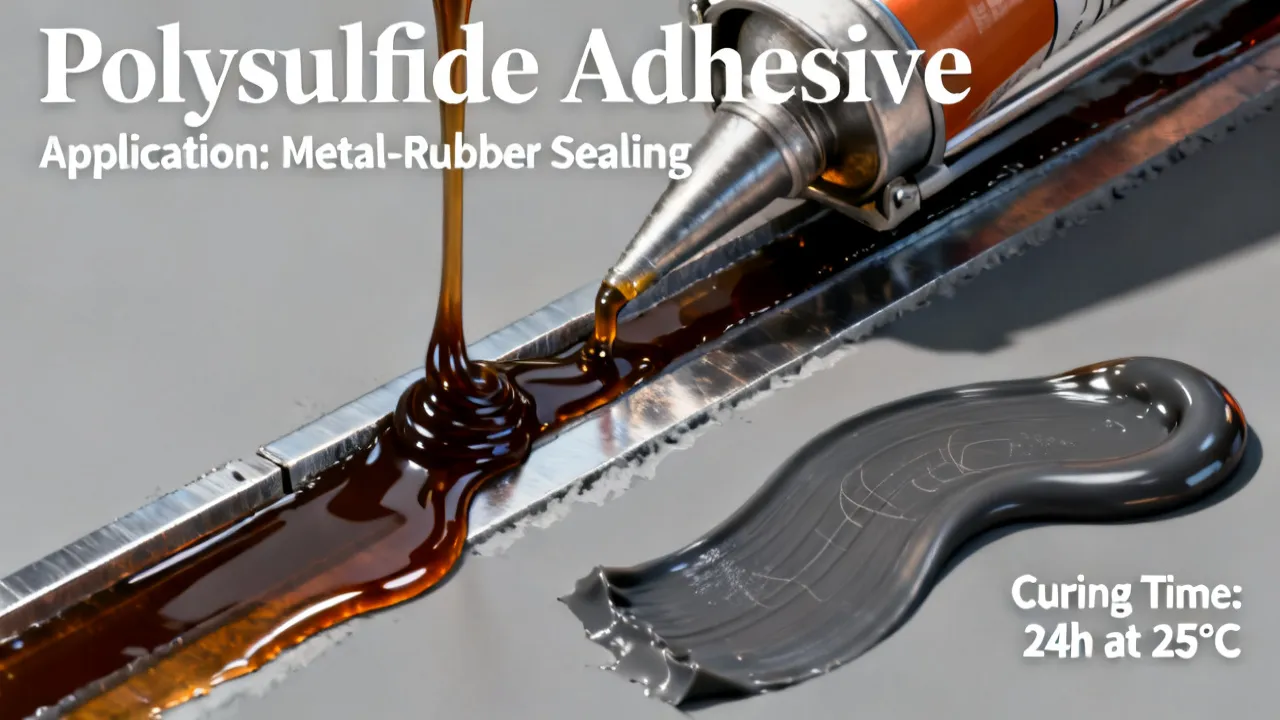
Polysulfide adhesive is a specialized bonding agent that has gained a prominent place in various industries due to its exceptional chemical resistance and flexibility. Known for its ability to withstand harsh environmental conditions, it is widely used in applications that require long-lasting, durable bonds. Derived from the polymerization of thiokol substances, polysulfide adhesives offer robust performance across multiple domains.
This adhesive technology is pivotal in enhancing the reliability and safety of structures ranging from aerospace to civil engineering. The unique chemical structure of polysulfide allows for not only outstanding adhesion but also the ability to maintain these bonds under severe thermal and environmental stress. This introduction will encapsulate the fundamental characteristics and innovations surrounding polysulfide adhesives, exploring their historical context, operational benefits, and strategic importance in various fields.
The journey of polysulfide adhesives dates back to the mid-20th century, coinciding with advancements in polymer chemistry. Originally developed for military applications, particularly in aerospace and naval environments, it became evident that polysulfides offered extensive benefits due to their unique molecular properties. By understanding the historical landscape of adhesive technology, one can appreciate the evolution and the eventual widespread adoption of polysulfide adhesives across various industries.
Initially utilized during World War II for sealing aircraft, the performance of polysulfide adhesives under extreme conditions led to a surge in their application post-war in commercial aviation, maritime, and construction industries. As research and development continued, formulations were refined, resulting in enhanced properties that made them suitable for even more diverse applications.
Polysulfide adhesives are renowned for their unique properties, particularly their resistance to fuels, chemicals, and atmospheric conditions, making them indispensable in settings that demand resilient bonding solutions. These adhesives are commonly applied in environments where exposure to oils, solvents, and saltwater would typically degrade standard adhesives.
One of the defining attributes of polysulfide adhesives is their viscoelastic nature, which allows them to absorb and dissipate energy without losing their bond integrity. This property is particularly beneficial in applications subject to vibration, movement, and thermal expansion. Below, we outline some key properties that make polysulfide adhesives valuable across various applications:
Given its resilient nature, polysulfide adhesive finds its use in numerous industrial, commercial, and even residential environments. The adaptability of polysulfide adhesives to various substrates and conditions has solidified their status as a go-to bonding agent. Here are some of the primary sectors where polysulfide adhesives are employed:
| Criteria | Polysulfide Adhesive | Epoxy Adhesive | Urethane Adhesive |
|---|---|---|---|
| Chemical Resistance | High | Varies | Moderate |
| Flexibility | Excellent | Limited | Good |
| Temperature Range | -40 to 120°C | -50 to 80°C | -60 to 80°C |
| Typical Uses | Aerospace, Marine | Electronics, Repair | Automotive, Flooring |
When opting for a polysulfide adhesive, it's crucial to assess the specifics of the application environment and requirements to determine its suitability. Evaluating factors such as load-bearing capacity, exposure scenarios, and longevity can guide users in making an informed decision. Additionally, understanding the working time and cure time is essential, as these factors directly influence the installation and operational efficiency.
Technical data sheets provided by manufacturers often contain critical information, including physical properties, chemical resistance charts, and safety guidelines. This data can empower users to select the right product formulation for their needs. Furthermore, consultations with adhesive specialists can also be a beneficial step in ensuring the right choice.
Some other important considerations when selecting a polysulfide adhesive include:
Polysulfide adhesives typically cure through a two-component mixing process followed by a set period under ambient conditions. The exact timing varies by product and application. Some formulations cure faster under elevated temperatures, while others may require a longer time at room temperature.
Yes, polysulfide adhesive is suitable for glass and aluminum installations, commonly used in curtain walls and glass facades due to its excellent sealant properties. The adhesive provides necessary support and longevity, making it a preferred choice for structural glazing.
Removal of cured polysulfide adhesive requires mechanical methods or specific chemical agents designed to break down the adhesive bonds. Care should be taken to avoid damage to the adhered materials during this process. In some cases, heat may be applied to soften the adhesive, facilitating easier removal.
Some polysulfide formulations can be painted over, but it is essential to verify compatibility with the paint being used. It is recommended to conduct a small test patch before full application to ensure adhesion and finish quality.
The performance of polysulfide adhesives can be influenced by various factors, including surface preparation, environmental conditions during application, the physical properties of materials being bonded, and the specific formulation of the adhesive itself. Additionally, curing time and conditions play a significant role in achieving the desired performance.
In recent times, the focus on sustainability has become increasingly important in the selection of adhesives. Polysulfide adhesives are no exception, as advancements in formulations are aimed at reducing environmental impact while maintaining high performance. Many manufacturers now offer low-VOC or VOC-free alternatives, significantly improving indoor air quality and reducing environmental pollution.
The long lifespan of polysulfide adhesives also contributes to sustainability, as durable adhesives reduce the need for frequent repairs or replacements, thereby minimizing waste and resource consumption. Moreover, the ability of polysulfide adhesives to adhere to recycled materials opens new avenues for applications in eco-friendly projects, wherein sustainability is a core focus.
As industries push towards greener practices, companies integrating polysulfide adhesive solutions into their operations can demonstrate commitment to environmental stewardship. Working with suppliers who prioritize sustainability can further enhance this commitment, ensuring the entire supply chain aligns with eco-friendly practices.
The future of polysulfide adhesive technology appears promising, with ongoing research aimed at enhancing performance capabilities and expanding applications. Innovations in polymer chemistry are likely to yield new formulations that offer improved adhesion, faster curing times, and higher resistance to extreme conditions.
Furthermore, there is growing interest in developing intelligent adhesives that can respond dynamically to environmental changes. These smart adhesives could potentially adjust their properties in response to temperature fluctuations or stress, further extending their lifecycle and effectiveness.
Another trend is the integration of nanotechnology into adhesive formulations. The incorporation of nanomaterials has shown potential to enhance properties such as strength, flexibility, and resistance to degradation. As applications in demanding environments evolve, the capabilities of polysulfide adhesives will likely expand to meet new specifications and performance criteria.
In conclusion, polysulfide adhesive stands out as a powerful tool in applications requiring robust performance under demanding conditions. Its broad usability across various sectors underscores its significance in modern manufacturing and construction projects. From aerospace to everyday construction, polysulfide adhesives deliver an unparalleled blend of performance and resilience that is hard to match.
Looking forward, as industries evolve and push the boundaries of innovation, polysulfide adhesives are well-positioned to adapt and thrive. Their potential applications continue to grow, driven by advancements in technology and increasing focus on sustainability. In navigating the complexities of bonding in various environments, those who seek a reliable solution in challenging environments will undoubtedly find polysulfide adhesives to be unmatched in their reliability and strength.
Ultimately, the choice of adhesive is a reflection of not only the immediate requirements of the task at hand but also the long-term considerations of durability, environmental impact, and technological advancements. As we continue to explore new frontiers in material science, polysulfide adhesives will remain an integral part of the evolving landscape of adhesives and bonding solutions.
Striking the Perfect Balance: Navigating Premiums and Out-of-Pocket Expenses in Senior Insurance Plans

Explore the Tranquil Bliss of Idyllic Rural Retreats

How to Make Lasting Memories at Disneyland Attractions

Affordable Phones and Plans for Seniors

Affordable Full Mouth Dental Implants Near You

Unlock the Top Kept Secrets to Finding Your Ideal Dentist for Flawless Dental Implant Results!

Discovering Springdale Estates

The Guide to Car Trading

Affordable Cell Phones Without Plans

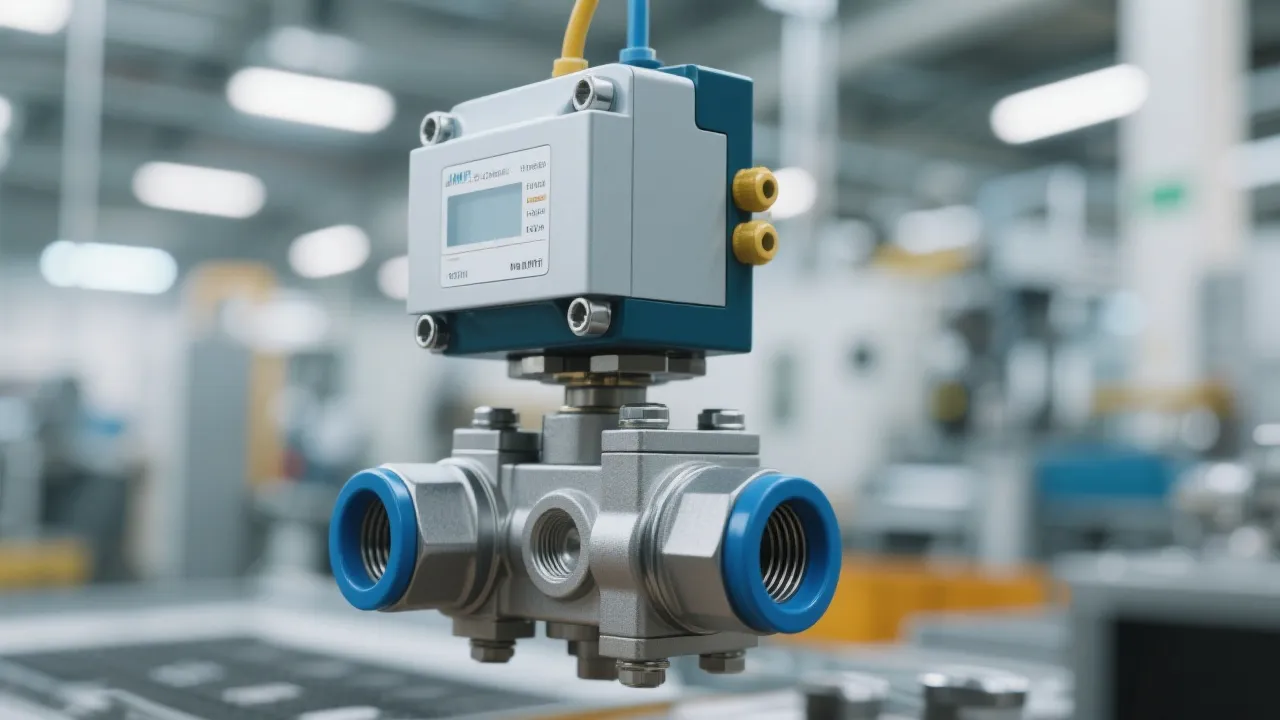
Understanding Proportional Valves
Proportional valves are hydraulic components vital for controlling fluid flow and pressure with high precision in various industrial applications. Their importance in automation and manufacturing settings stems from their ability to offer variable output in response to input signals, greatly enhancing system efficiency and performance.
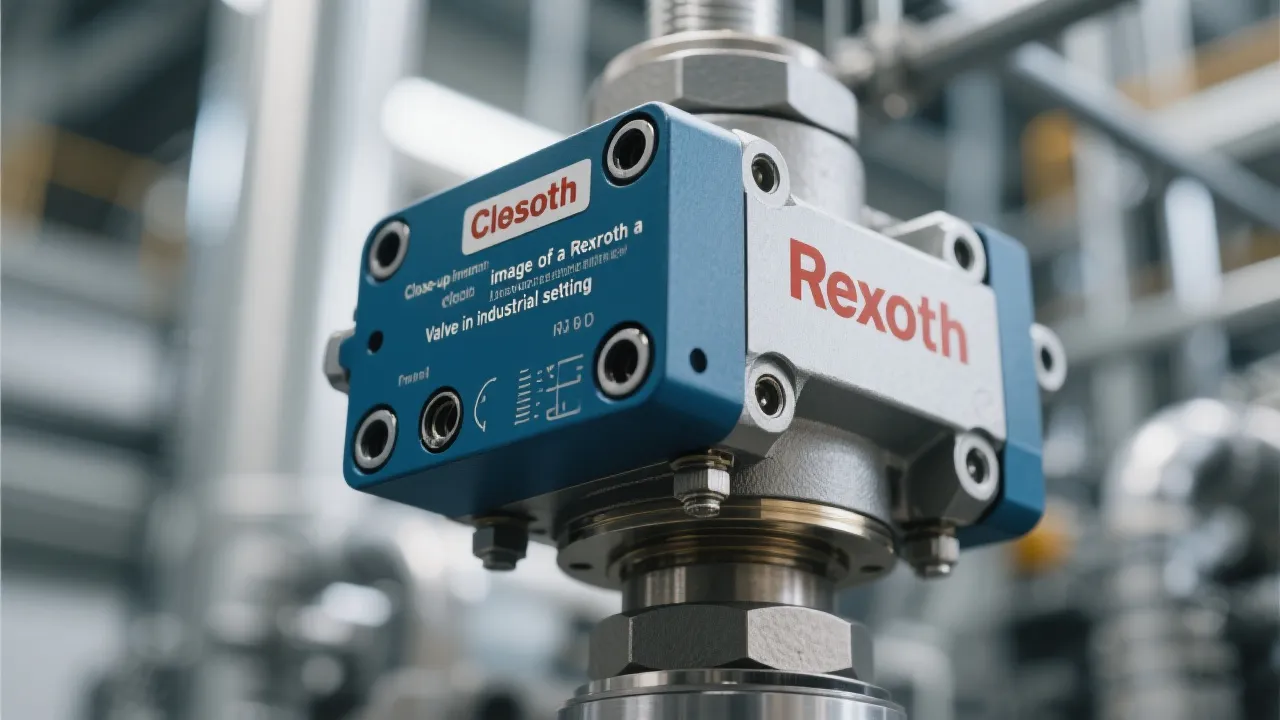
Understanding Rexroth Valve Systems
Rexroth Valves are quintessential components in various industrial applications, known for their precision and reliability. These hydraulic, pneumatic, and electrohydraulic valves regulate fluid flow in machinery, ensuring optimal performance and safety. Understanding their functionality and benefits is crucial for industries seeking efficiency and sustainability in their operations.
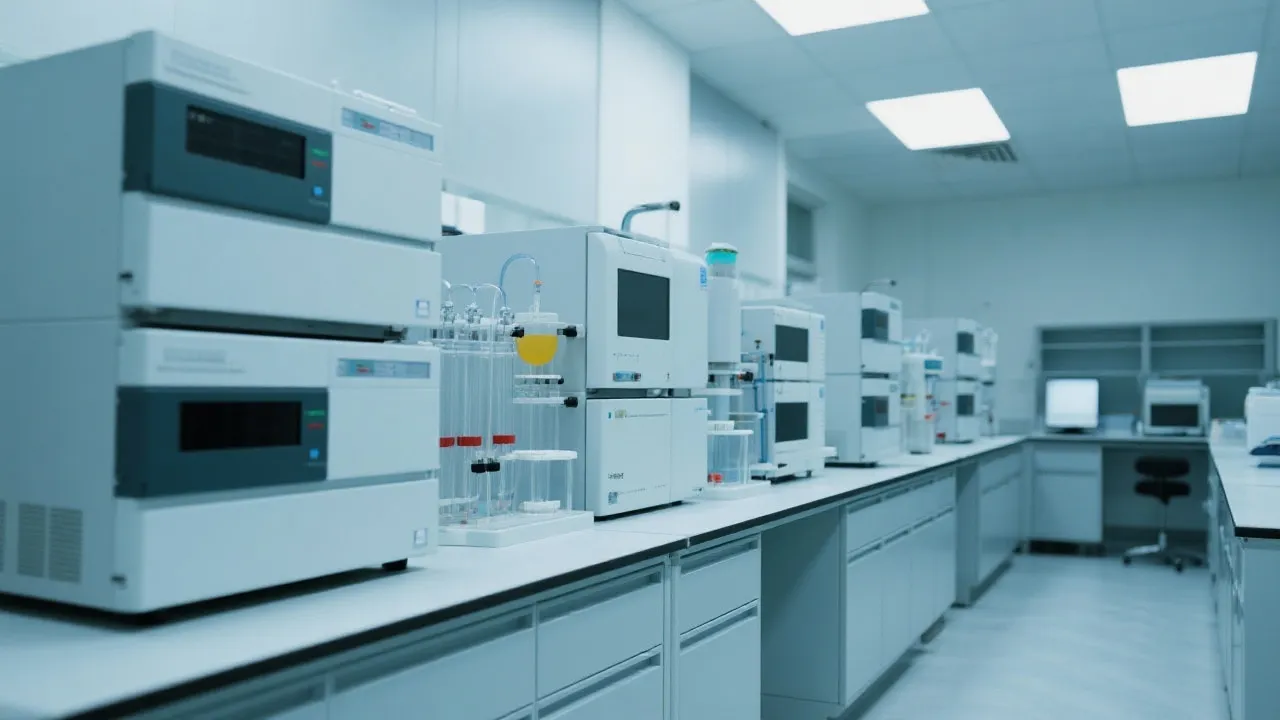
Unveiling Thermo Fisher Chromatography
This article explores the pivotal role of Thermo Fisher Chromatography in modern analytical science. Chromatography is crucial for separating compounds within mixtures, making it indispensable in industries such as pharmaceuticals and environmental testing. Thermo Fisher Scientific stands out in this field for its innovative solutions, leading to improved accuracy and efficiency in research and development.

Understanding Corrosion Inhibitor Manufacturers
In today's industrial landscape, corrosion inhibitor manufacturers play a crucial role in safeguarding equipment and infrastructure against corrosive damage. These manufacturers provide specialized chemicals that prevent corrosion in various environments, including industries such as oil and gas, marine, and construction. Understanding their operations and offerings is essential for selecting the right supplier and maintaining asset longevity.
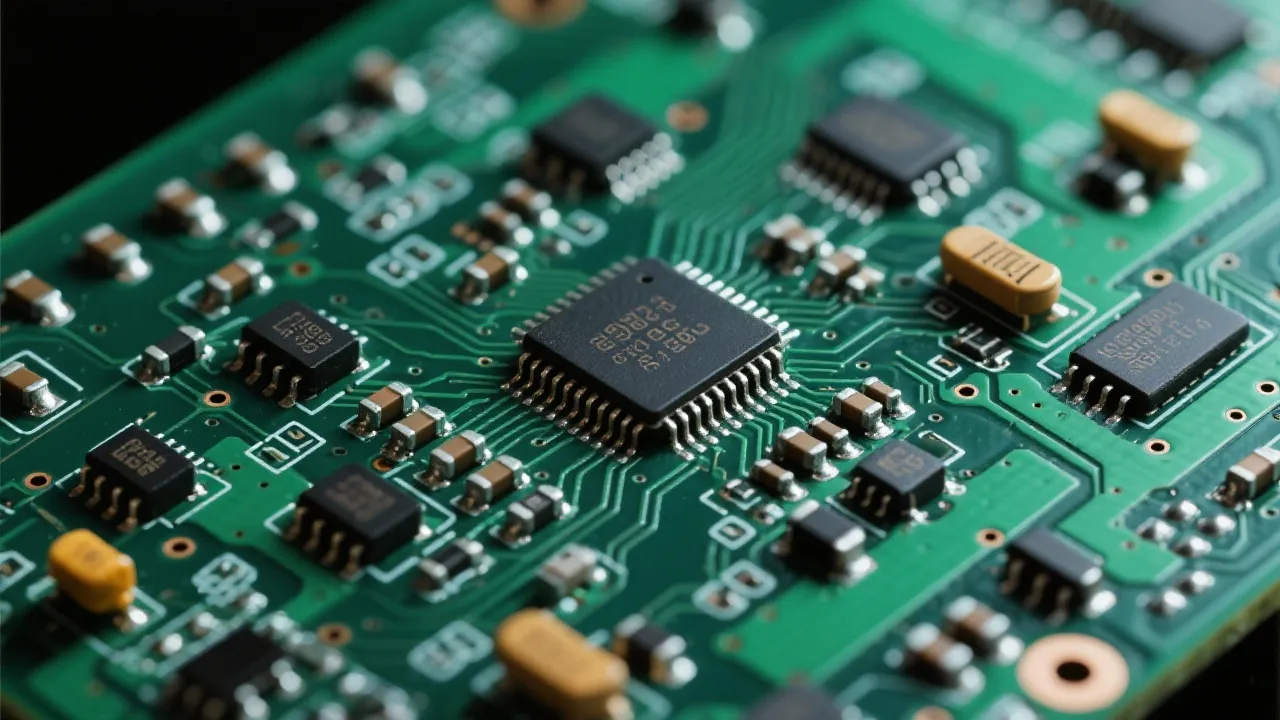
Analyzing Lm66100 Digikey Components
This article offers an in-depth analysis of the Lm66100 component available through Digikey, a renowned distributor of electronic components. The Lm66100, a load switch, is integral in industry applications, providing efficient power management. This piece explores its features, applications, and availability through Digikey, while offering a comprehensive guide for industry professionals seeking to optimize their electronic designs.

Leading Corrosion Inhibitor Suppliers
Corrosion inhibitor manufacturers play a crucial role in protecting materials from degradation. These companies specialize in creating chemical compounds that slow down or prevent the corrosive effects on various surfaces, especially metals. Understanding their production processes and solutions offered is vital for industries reliant on metal infrastructure.
