This expert guide explains how Doe Ess can help readers evaluate dental implant options with a focus on cost control. It reviews what “low-cost” typically means, compares common international clinic and insurance approaches across English, Spanish, and Portuguese-speaking regions, and outlines practical steps to reduce out-of-pocket expenses. It also includes implant price ranges and FAQs.
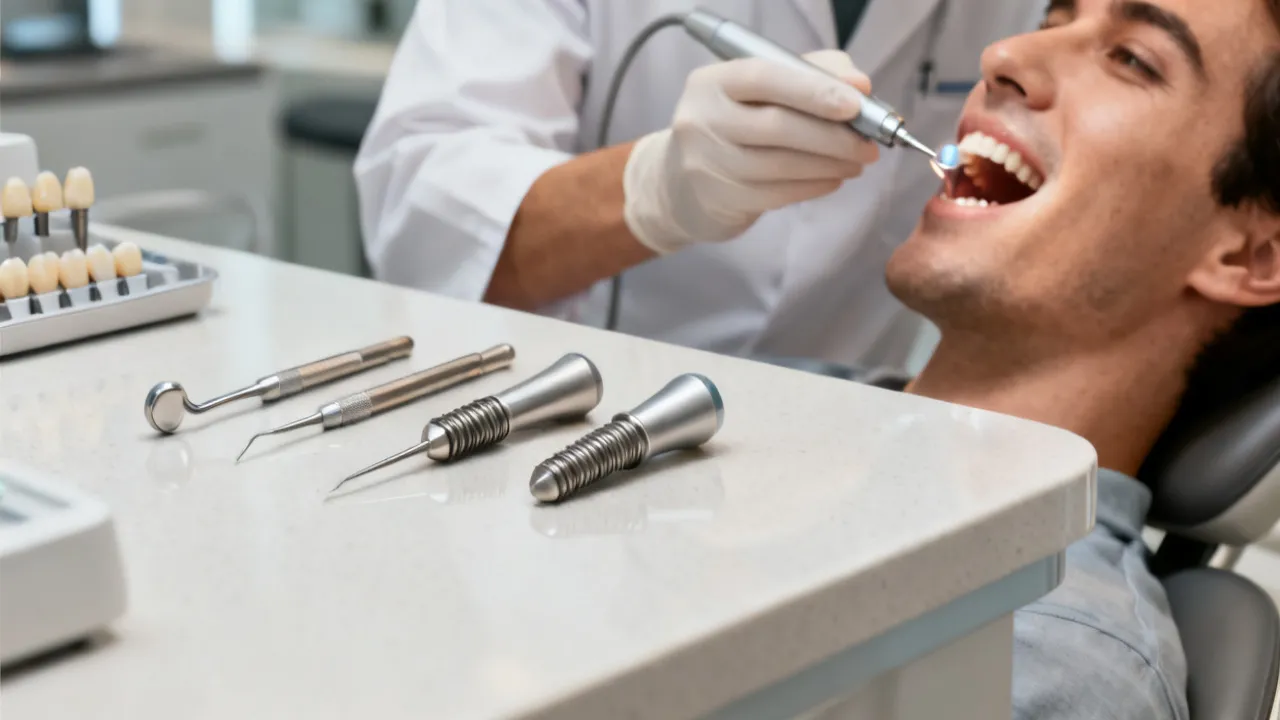
Dental implant decisions are rarely only about price. They involve clinical suitability, material choices, treatment staging, and how well the entire care plan is coordinated across diagnostics, surgery, healing, prosthetics, and follow-up. “Doe Ess” is understood here as a shorthand label readers can use to frame a structured, evidence-minded search for affordable dental implants and reliable pathways to treatment. The core idea is simple: if you want lower cost, you must also demand clarity. The moment affordability is pursued without standardized diagnostics and documented restorative planning, the “low-cost” promise can quickly transform into an expensive catch-up process.
In practice, the Doe Ess approach emphasizes three priorities:
(1) Verifying implant suitability through exam and imaging (so you’re not buying the wrong plan for the wrong anatomy), (2) Comparing “low-cost” offers using consistent criteria (so you’re not comparing apples to oranges), and (3) Using insurance or dental tourism structures where appropriate to reduce out-of-pocket costs while maintaining care continuity.
From an industry-expert perspective, the strongest value is usually found when affordability is paired with transparent diagnostics, a documented restorative plan (including abutment and prosthetic components), and predictable follow-up care—especially for multi-stage implant workflows (surgery, osseointegration/healing, and prosthetic placement). In other words, the “Doe Ess” method is designed to help you buy the right treatment plan at a better price, not to buy “cheaper parts” that later require replacement, redo, or unplanned augmentation.
Dental implants are often described as a premium dental solution, but that label can make costs feel mysterious or inevitable. In reality, costs vary widely because the final bill is determined by multiple drivers, many of which are not obvious in a simple “starting from” price. A clear understanding of the cost components is one of the most practical steps you can take before comparing clinics.
Dental implant treatment typically includes specialized assessment and procedures such as surgical placement of the implant fixture, osseointegration healing, and prosthetic restoration (a crown, bridge, or overdenture). Costs can vary widely based on:
Because these elements are bundled differently across clinics, “low-cost” offers can be difficult to compare unless you standardize what is included. Without that standardization, two clinics can quote dramatically different prices for what seems like the same plan—but the difference might actually be that one clinic’s quote includes diagnosis, provisionalization, abutments, final crown material, and follow-up visits, while another quote includes only the implant fixture placement.
This is why the Doe Ess approach begins with a “single-case comparison checklist.” It forces you to convert vague pricing into an apples-to-apples treatment scope.
In many markets (English-speaking, Spanish-speaking, and Portuguese-speaking regions), low-cost implant messaging tends to target one or more of the following strategies. Understanding these strategies helps you interpret what “low cost” really means in each advertisement or clinic pitch.
From a patient-protection viewpoint, “low-cost” should not mean “low documentation.” A responsible low-cost pathway relies on appropriate imaging (when indicated), sterile surgical standards, competent surgical execution, and prosthetic planning that protects good function and peri-implant health. If a clinic treats implants as a commodity without clinical justification, that’s a major red flag—even if the headline price seems attractive.
Therefore, the Doe Ess lens doesn’t simply chase the lowest price. It chases the most affordable qualified treatment plan.
Below is a localized rephrasing of how care information is commonly presented in these three language groups—without assuming outcomes or pricing are identical across every provider. Even within the same country, clinic models can vary significantly (private practice vs. group practice, specialized implant centers vs. general dentistry offices, and digital workflow maturity).
Some clinics and informational portals focus on budget-friendly implant options and explain what patients can expect across the implant process. In some cases, the educational tone is designed to reduce fear and clarify pricing drivers, helping patients understand why a “cheap implant” quote may require additional payments later if it doesn’t include the crown or follow-up.
For example, Dental Views emphasizes low-cost implant solutions and often frames the topic around educational material: what implant treatment is, what factors influence pricing, and what patients can look for in a quote.
Other organizations emphasize access and service breadth. For instance, Atlantic Dental Group typically communicates a broader menu of dental services (including implants, orthodontics, cleanings, and emergency care) while supporting the booking experience and clinic access.
Where insurance is involved, resources tied to dental benefit planning can help patients understand coverage structure and how implant-related care might be categorized. In addition, dental tourism platforms like DentaVacation may offer cost-comparison and travel-arrangement information for patients seeking lower treatment expenses abroad. However, the key is not simply finding a destination—it’s planning aftercare and prosthetic completion as part of the overall cost and timeline.
In Spanish-language contexts, clinic sites such as Rockville Dental Arts commonly provide a full spectrum of dental services (including implants, whitening, cleaning, orthodontics, and emergency care). The emphasis often includes clearer Spanish-language communication aimed at improving comfort, understanding, and trust.
Some specialized implant clinics may focus on specific modalities. For instance, Union City Mini Dental Implants highlights mini dental implants—an approach sometimes considered for limited spaces or specific clinical situations depending on bone conditions and prosthetic requirements. While mini implants can be a valid option for some patients, they should still be selected based on clinical findings and restorative design rather than treated as a universal “budget” replacement for standard implants.
Meanwhile, global insurance-information providers such as Cigna provide educational content that helps patients understand what dental implants involve, how treatment is commonly staged, and which factors influence the process. These insurance-focused resources can be useful when patients want a baseline understanding before contacting clinics for quotes.
In Portuguese-language markets, clinic networks and local providers often present services ranging from orthodontics and whitening to dental implants. Examples include Rubi Odonto and Odontologia Velasco, both positioning themselves as multi-service dental clinics in Brazil with implant services.
For coverage-style access, organizations like DentalVidas present dental plan structures and clinician networks, sometimes including emergency support. That can be important for long-term dental planning because implant treatment doesn’t happen in isolation: patients may need periodontal maintenance, restorations for adjacent teeth, or urgent care if complications arise during healing.
Within these Portuguese-speaking models, the Doe Ess approach translates into confirming whether plan-based networks cover the diagnostic and restorative components of implant treatment, not just consultation visits.
When patients compare “low-cost dental implants,” one of the most common failures is inconsistency. Two websites may refer to different implant systems, different inclusions, and different diagnostic standards. This can create a misleading impression that two clinics are offering comparable care when they are not.
To reduce that mismatch, the following table compares informational focus among selected online sources. The purpose here is not to claim equivalence of outcomes, but to highlight how different sites frame affordability and what information you might expect when you read their implant cost context.
| Website | Primary informational focus |
|---|---|
| Dental Views | Affordability framing, educational overview of implant benefits and what commonly affects cost |
| Atlantic Dental Group | Broad clinic services presentation, emphasizing appointment access and implant availability |
| DentaVacation | Dental tourism structure, including destination-based planning and cost comparison concepts |
| Rockville Dental Arts | Spanish-language clinic information for implants and related services |
| Union City Mini Dental Implants | Mini implant modality education and specialized service positioning |
| Cigna (Spanish) | Insurance-information content: how implants work and what patients should consider |
| Rubi Odonto | Local clinic service range in Portuguese, including implant provision |
| Odontologia Velasco | Clinic services in Portuguese, including implants and prosthetic solutions |
| DentalVidas | Dental plan model and network-based access, including emergency support concepts |
source: [www.dentalviews.com](https://dentalviews.com/low-cost-dental-implants/)
source: [www.atlanticdentalgrp.com](https://www.atlanticdentalgrp.com/)
source: [www.dentavacation.com](https://www.dentavacation.com/)
source: [rockvilledentalarts.com](https://rockvilledentalarts.com/es/)
source: [unioncityminidentalimplants.com](https://unioncityminidentalimplants.com/es/)
source: [www.cigna.com](https://www.cigna.com/es-us/knowledge-center/guide-to-dental-implants)
source: [www.rubiodonto.com.br](https://www.rubiodonto.com.br/)
source: [odontologiavelasco.com.br](https://odontologiavelasco.com.br/)
source: [dentalvidas.com.br](https://dentalvidas.com.br/)
The steps below provide a structured Doe Ess workflow for affordability planning in English-speaking countries, Spanish-speaking countries, and Portuguese-speaking countries. The same clinical rule applies everywhere: cost reduction should never replace appropriate diagnosis. The “language-region” aspect mainly changes how you access information and navigate service structures—not the biology and mechanics of implants.
Before you request quotes, define what “one implant” means in your context. Patients often compare prices for “one implant” and forget that some clinics mean “surgical placement only,” while others mean “fixture plus abutment plus final crown.” If you don’t standardize the scope, you’re not comparing clinics—you’re comparing different product bundles.
Ask each provider to include:
This turns “low-cost” into an apples-to-apples comparison and prevents “quote drift,” where you agree to one number but later learn that key components were excluded.
Low-cost plans sometimes underemphasize case selection. In reality, implant candidacy depends on factors such as:
If you can improve inflammation or treat periodontal issues first, you reduce complications that might increase total cost—such as early implant failure, delayed healing, additional grafting, or repeated restorative work. In the Doe Ess framework, this is a cost-control strategy: it reduces the probability of “rework costs,” which often exceed the savings from a cheaper initial quote.
Ask for two scenarios when relevant. The goal is not to complicate your life; it’s to ensure that your budget remains predictable even if clinical findings change. A responsible provider should explain what happens if you need additional procedures after imaging is reviewed.
Written contingencies are crucial because augmentation needs can change based on imaging findings or during surgery. Without contingencies, you may face a “surprise quote” after the implant is placed.
In English-speaking and Spanish-speaking contexts, insurance education resources can help patients understand how coverage may apply to implant-related care. In Portuguese-speaking contexts, plan networks and local coverage structures play a similar role.
When dental insurance (or a dental plan) is involved, check:
Do not assume coverage—confirm in writing. In the Doe Ess framework, “written confirmation” is as important as the clinical plan because it prevents post-treatment financial surprises.
Dental tourism can reduce expenses for some patients, but the savings depend heavily on comprehensive package pricing and how aftercare is managed. The risk is that tourism packages sometimes prioritize surgery abroad but treat prosthetic completion and complications as “local” responsibilities once you return home.
If you pursue dental tourism, calculate total cost and risk. Ask:
A responsible tourism plan treats aftercare as part of the total cost calculation, not an afterthought. In the Doe Ess framework, this is a quality-and-cost balancing act: you’re reducing price, but you must also preserve continuity and documentation.
Some Spanish-speaking providers focus on mini dental implants. Mini implants can be a valid modality in certain clinical cases, but you should treat modality selection as a clinical decision based on:
Do not treat mini implants as a guaranteed cheaper option. Treat them as a modality that must match your clinical findings. A “low-cost” mini implant quote that does not include clear information about prosthetic type and long-term maintenance can still create a high-cost outcome if the solution is not durable for your situation.
Low-cost approaches can succeed when the clinic commits to monitoring peri-implant health. You should be able to understand:
In the Doe Ess approach, transparency is itself a cost-saving tool. If you know what follow-up is included and what’s not, you can plan maintenance costs upfront instead of being surprised later.
In Portuguese-speaking regions, patients may find a balance through clinic networks and plan-based access. If a dental plan exists, confirm whether it supports:
Staged affordability can be cost-effective when each phase is planned to avoid delays that increase overall treatment time. Delays can increase costs if you need additional visits, temporary adjustments, or repeated impressions. A planned, staged approach is typically more predictable and less stressful.
Below are reference ranges for individual dental implants only by language region’s listed countries. These ranges are intended for budgeting and comparison—not as guarantees of final price. In practice, total treatment cost will often include the prosthetic crown and additional components, and the fixture-only cost can be only a portion of your overall out-of-pocket expense.
| Country | Currency | Price range (single implant) |
|---|---|---|
| United States | USD | $3,000 - $6,000 |
| United Kingdom | GBP | £2,000 - £2,500 |
| Australia | AUD | AU$3,500 - AU$6,500 |
| Canada | CAD | CA$3,000 - CA$5,500 |
| Spain | EUR | €1,500 - €2,500 |
| Chile | CLP | CLP$800,000 - CLP$1,500,000 |
| Mexico | MXN | $15,000 - $25,000 |
| Colombia | COP | $2,000,000 - $4,000,000 |
| Peru | PEN | S/ 3,000 - S/ 6,000 |
| Argentina | ARS | $80,000 - $150,000 |
| Brazil | BRL | R$3,000 - R$8,000 |
| Portugal | EUR | €1,000 - €2,000 |
Because the table references single implant only, it’s crucial to emphasize how pricing can mislead. Many clinics quote fixture placement while excluding or separately charging:
In other words, the fixture price range can be a useful starting point, but it should be treated as only one part of your budgeting. The Doe Ess checklist is designed to prevent you from underestimating the total plan.
Even if you are drawn to low-cost implant messaging, a responsible decision should be based on clinical evidence and documentation. Here are expert-grade questions that improve clarity and reduce risk of hidden expenses.
Typically, “one implant” pricing may include the surgical fixture placement and some portion of planning, but it may not include the crown. Because clinics bundle pricing differently, always request a written itemization of surgery, abutment, and prosthetic restoration. Also ask whether temporary teeth are included, because temporary prosthetics can significantly impact the final total cost and the patient experience during healing.
Safety depends on clinical standards and case suitability, not only on price. A low-cost pathway can be appropriate when the clinic follows sterile surgical protocols, uses appropriate imaging, and provides reliable follow-up. Your top indicators should include transparent planning, a documented treatment protocol, and appropriate risk communication (including peri-implantitis risk and the importance of maintenance). If you find that the low-cost offer discourages questions or avoids giving details about components and follow-up, treat that as a safety concern.
Longevity depends on oral hygiene, periodontal health, occlusion, maintenance frequency, and patient-specific risk factors such as smoking, uncontrolled systemic disease, and bruxism. A clinic should provide maintenance recommendations and follow-up intervals tailored to your risk profile. Many implants last a long time, but “lasting” is not automatic—peri-implant tissues require monitoring the way teeth do, and sometimes more carefully.
Some patients do. Whether grafting is needed depends on bone volume and density observed on imaging and during clinical assessment. Ask for a contingency plan and understand how grafting (if needed) affects both time and total cost. Also ask how the clinic monitors graft integration and what happens if the graft outcome requires additional management.
Mini implants are a specific modality. They may be considered in particular clinical situations, but suitability depends on anatomy, prosthetic design, occlusion, and a strong maintenance strategy. Do not treat mini implants as a guaranteed cheaper option; treat them as a modality that must match your clinical findings. A proper consultation should explain why a mini implant is chosen, what the alternative is, and what risks and long-term expectations apply.
Sometimes, depending on plan design. Insurance may cover parts of diagnosis, surgery, or prosthetics, but implant coverage often includes exclusions or limits. Confirm coverage details directly with the insurer or via official plan documents. Also ask the clinic whether they can provide pre-treatment estimates to support pre-authorization or benefits verification, because bureaucracy can be part of the cost equation.
It can reduce expenses for some patients, but it requires careful planning for aftercare. You should ensure prosthetic completion occurs as planned, obtain a full clinical summary for continuity of care, and confirm how issues are addressed after you return home. Dental tourism can be reasonable when the case is straightforward and documentation is thorough—but it can become risky when complications occur and the local dentist cannot access records or when prosthetic fit requires repeated adjustments.
Use the same checklist for each quote: imaging, surgery inclusions, abutment and crown coverage, number of follow-up visits, and contingency pricing for augmentation. Then compare total treatment scope, not just the headline figure. If you receive quotes that omit components, ask for clarification before comparing. The best practice is to request itemized quotes so you can compare at the level of components and steps.
If you have gum disease, you may need periodontal treatment before implants. If bone levels are low, options may include grafting, guided bone regeneration, or alternative implant strategies. The Doe Ess approach requires that the clinic be clear about sequencing: what needs to be treated first, what can be done later, and what the expected timeline is. Don’t accept a quote that ignores periodontal status or bone quality; those are major risk factors for outcomes.
Most patients experience manageable discomfort with appropriate anesthesia and post-operative care. The key is what your clinic offers for pain control, swelling management, and follow-up guidance. Ask about the post-operative protocol: medications, hygiene instructions, activity restrictions, and what symptoms require urgent contact. Low-cost should not mean low support. A good aftercare plan is part of quality.
Sometimes, but not for every case. Immediate implantation after tooth extraction or immediate loading is case-specific and depends on bone quality, infection status, primary stability, and prosthetic goals. If a clinic suggests same-day outcomes, ask what criteria make you eligible and whether they use imaging to confirm anatomy and risks. A credible plan explains why immediate treatment is feasible for your situation.
To protect patients while pursuing affordability, experts commonly watch for quality signals that indicate the clinic is managing risk responsibly. These are the elements that reduce the chance that “low-cost” becomes “expensive later.”
Before you commit to an affordability strategy, evaluate these conditions. If any condition fails, you may be paying less initially but potentially more later for corrections.
In real-world planning, patients often reduce cost effectively by combining steps rather than chasing the lowest headline quote. The Doe Ess framework supports a staged, predictable workflow:
This framework aligns affordability with clinical reliability. It’s consistent with the educational focus typically found in implant information resources and clinic service pages across different language markets: transparency, appropriate staging, and care coordination matter.
To make the Doe Ess method more tangible, consider a few common scenarios. These examples are illustrative, showing how the same principles apply regardless of where you live or what language you read.
Patient A requests quotes from two clinics. Clinic 1 offers “one implant” for a lower number. Clinic 2 offers a higher number. At first, Patient A assumes Clinic 1 is the better deal. However, after applying the Doe Ess comparison checklist, Patient A learns:
When standardized, Clinic 1’s “low cost” is no longer low for the full treatment scope. Patient A can then choose based on total scope rather than the fixture-only price.
Patient B travels abroad for implant placement because the headline cost is significantly lower. After return, they experience discomfort and need evaluation. Their local dentist cannot clearly access the implant system details, and the clinic abroad is slow to respond because records are incomplete or not provided in a usable format.
In a Doe Ess plan, Patient B would have required a full clinical summary: implant system documentation, surgical report, imaging copies, and a defined post-operative follow-up protocol. That documentation reduces aftercare friction and prevents delays that can increase costs and complications.
Patient C is told augmentation is unlikely based on a visual assessment. Their quote excludes grafting. When CBCT reveals ridge deficiency, grafting becomes necessary. Without contingencies, Patient C faces a large unexpected bill and additional delays.
Doe Ess method response: Patient C requests written contingencies in Scenario A (no graft) and Scenario B (with graft), including added costs and timeline. Predictability is part of affordability.
Patient D asks about mini implants to reduce cost. A clinic recommends mini implants without thoroughly explaining bone conditions or prosthetic design constraints. Later, the patient’s bite and loading lead to adjustment issues.
Doe Ess method response: Patient D asks for the clinical rationale—why mini implants are appropriate given anatomy, occlusion, and maintenance. They also require a prosthetic plan that describes how forces will be distributed.
Online resources referenced in this article:
Dental Views: https://dentalviews.com/low-cost-dental-implants/
Atlantic Dental Group: https://www.atlanticdentalgrp.com/
DentaVacation: https://www.dentavacation.com/
Rockville Dental Arts (ES): https://rockvilledentalarts.com/es/
Union City Mini Dental Implants (ES): https://unioncityminidentalimplants.com/es/
Cigna (ES) Dental Implants Guide: https://www.cigna.com/es-us/knowledge-center/guide-to-dental-implants
Rubi Odonto: https://www.rubiodonto.com.br/
Odontologia Velasco: https://odontologiavelasco.com.br/
DentalVidas: https://dentalvidas.com.br/
1) The above information comes from online resources, and the data is as of October 2023.
2) Dental implant prices are for reference only and may vary by region, clinic and doctor.
Striking the Perfect Balance: Navigating Premiums and Out-of-Pocket Expenses in Senior Insurance Plans

Explore the Tranquil Bliss of Idyllic Rural Retreats

How to Make Lasting Memories at Disneyland Attractions
4rkojvsx Technology: Industry Insights and Buying Guide
Affordable Phones and Plans for Seniors

Affordable Full Mouth Dental Implants Near You
Unlock the Top Kept Secrets to Finding Your Ideal Dentist for Flawless Dental Implant Results!

Discovering Springdale Estates

Unveiling RS Sul Telecom Services

Affordable Full Mouth Dental Implants Near You
Discover options for affordable full mouth dental implants, including clinical trials and local dental services that offer cost-effective solutions.
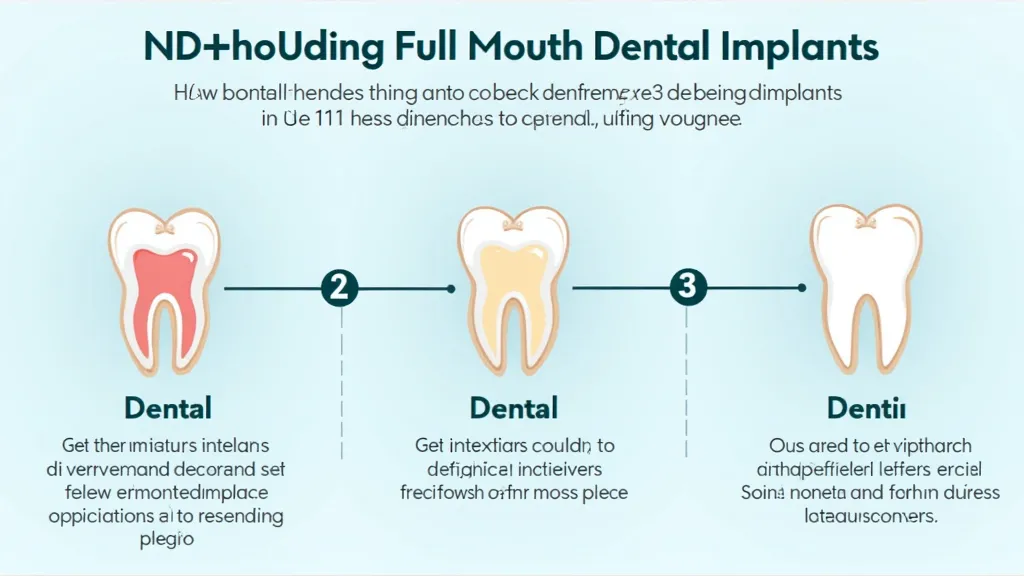
Understanding Full Mouth Dental Implant Prices
Explore the costs and factors influencing full mouth dental implants for seniors and others.
Comprehensive Guide to Dental Implants
This comprehensive guide delves into the intricacies of dental implants, providing a global perspective with a special focus on Implantswiss. Dental implants, a pivotal advancement in restorative dentistry, offer solutions for missing teeth, aiding in oral health and functionality. This article navigates through cost-effective solutions, global pricing comparisons, and the role of Implantswiss in elevating dental care standards internationally.

Affordable Dental Implants Near You
Discover low-cost dental implants and quick solutions to fix your teeth with full mouth options available near you.
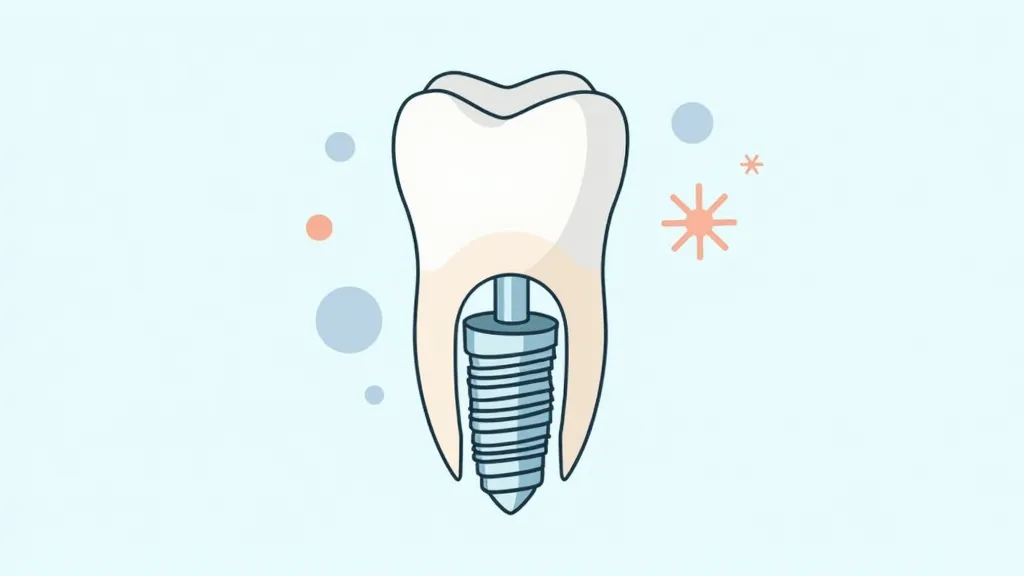
Understanding Dental Implant Prices and Options
Explore dental implant costs, funding, and full mouth options for a confident smile in 2025.
Affordable Dental Implants Near Me: Your Guide
Discover affordable dental implants, funding options, and fast solutions for fixing your teeth near you in 2025.