The Shogun Assassination Arc is a pivotal storyline in Japanese manga, "Gintama," which delves into high-stakes political intrigue. This arc showcases the intricacies of power dynamics and character development within the narrative, earning recognition for its storytelling prowess. It examines themes of loyalty, betrayal, and redemption, offering readers profound insights into the era it depicts.
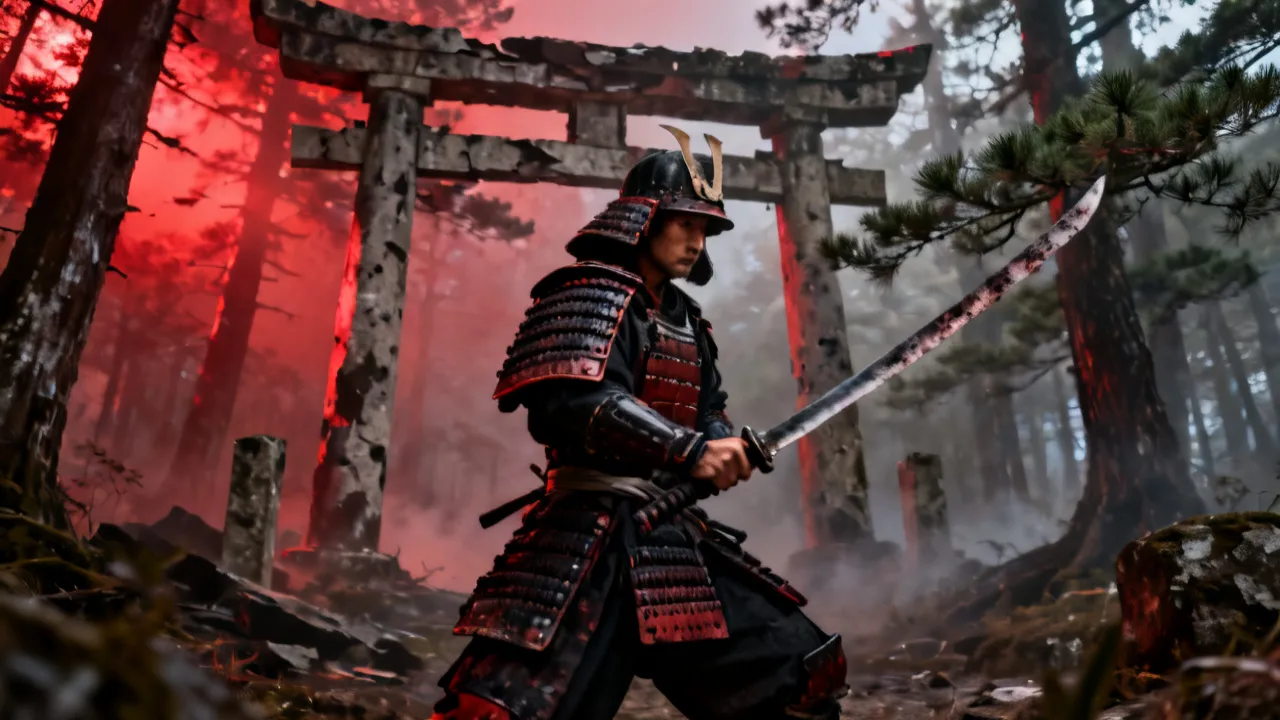
The Shogun Assassination Arc is an essential storyline within the popular Japanese manga, "Gintama," created by Hideaki Sorachi. This arc stands out not only for its intricate plot but also for its exploration of deep-seated themes like loyalty, betrayal, and redemption set amidst the socio-political turmoil of the Edo period. In many ways, it can be seen as the climax of the series, where the stakes are higher than ever, and the fate of key characters hangs in the balance. The significance of this arc lies in its ability to evoke emotional responses from the audience while maintaining the humor that "Gintama" is known for.
"Gintama" is a narrative blend of comedy, science fiction, and historical drama, reflecting on the transformation of Edo Japan into a fictional world where samurais coexist with aliens. This series gained an exceptional following due to its ability to seamlessly weave comedic elements with episodes of serious and engaging storytelling. Sorachi crafts a unique atmosphere where absurd humor dances with poignant moments of despair and reflection, effectively keeping readers engaged on multiple levels. The setting, rich with historical references and fantastical elements, allows for a diverse range of narratives that explore different facets of human experience.
The Shogun Assassination Arc revolves around an intricate conspiracy to assassinate the Shogun, Shige Shige Tokugawa. The plot thickens as various factions emerge, revealing hidden alliances and powerful enemies. The theme of loyalty is put to the test, especially amongst Gintoki Sakata and his comrades, who find themselves embroiled in a political revolution that pulls them deeper into the underbelly of the Edo period's power struggles. This arc is characterized by a series of relentless action sequences, strategic alliances, and unforeseen betrayals, keeping readers on the edge of their seats. Characters face moral dilemmas that force them to confront their beliefs and motivations, acting as a catalyst for both internal and external conflicts within the narrative.
This arc provides an opportunity for extensive character development. The protagonists exhibit their determination to shield the Shogun, underscoring their profound personal relationships and a spectrum of human emotions. Beyond the surface-level interactions, the arcs of characters like Gintoki, Shige Shige, and Nobunobu illustrate diverse responses to crisis and conflict. The emphasis on dialogue concerning duty versus personal loyalty contributes to the arc’s depth, forcing characters to question where their loyalties truly lie. Strong emotional exchanges add layers to character relationships, revealing their fears, hopes, and regrets. The rich tapestry of character dynamics enhances the storytelling and keeps readers connected to the protagonists’ journeys during high-stakes scenarios.
The Shogun Assassination Arc delves into profound themes, with the narrative examining how personal and political interests clash. The exploration of betrayal emerges as characters confront past loyalties and the consequences of their decisions. Power struggles highlight the hypocrisy and moral conflicts inherent in authority figures, while the concept of redemption offers characters a chance at growth. Strikingly, the arc presents a commentary on the nature of governance; the Shogun is depicted as both a leader in need of protection and a symbol of an establishment rife with corruption. Such themes offer readers insights into not only the story’s universe but also deeper, philosophical questions about leadership and integrity. As characters wrestle with their choices, readers are encouraged to reflect on the complexities of human nature and the often-blurred lines between good and evil.
| Character | Description |
|---|---|
| Gintoki Sakata | The lead character is both rogueish and noble-hearted, navigating complex alliances to protect the Shogun while embodying the spirit of a true samurai. His duality—being carefree yet intensely dedicated—serves as a central conflict in the narrative. |
| Shige Shige Tokugawa | The Shogun, whose leadership earned him both allies and enemies, becomes the focal point of political tensions. His naive optimism also highlights his struggles in maintaining authority while grappling with the darker aspects of his rule. |
| Nobunobu | A rising antagonist, challenging the status quo and seeking the Shogun's downfall for his advancement. His ruthless ambition starkly contrasts with Gintoki's values, raising critical questions about the cost of power. |
The Shogun Assassination Arc is crucial to the "Gintama" series’ overall narrative. It marks a turning point where comedy takes a backseat to an intense storyline filled with drama and suspense. The stakes are raised as the characters confront not only external enemies but also their personal demons. The arc has been widely praised for its writing, pacing, and character development, contributing to the broader themes of the series. Critics and fans have noted how this arc elevates "Gintama" from being perceived purely as comedic relief to a profound epic that can stand shoulder to shoulder with more traditional dramatic series in anime and manga. It demonstrates Sorachi’s ability to craft intricate plot lines that reflect real-world complexities while still maintaining the humorous tone that defines "Gintama."
What historical period is the Shogun Assassination Arc based on?
The arc is set during the Edo period, though it incorporates fictional elements via an alternate universe where Edo Japan coexists with extraterrestrial beings. This blending of historical reality and fantasy allows readers to engage with the narrative on different levels, exploring familiar themes of loyalty, honor, and power while navigating absurd circumstances.
Why is the Shogun Assassination Arc popular among readers?
Its popularity stems from a well-crafted plot, exceptional character development, and the intricate depiction of political power struggles intertwined with personal loyalty. The complex relationships and moral dilemmas that characters face resonate with the audience, enhancing the emotional weight of the story and drawing readers deeper into the narrative.
How does the Shogun Assassination Arc enhance "Gintama's" appeal?
The arc introduces significant ideological and emotional depth, transforming "Gintama" into not just an entertaining read, but also an insightful one. By addressing serious themes amidst comedic moments, "Gintama" allows for a unique viewing experience that can provoke thought while providing laughs. This balance keeps readers returning for more, intrigued by the duality of the characters and their journeys.
In any compelling story, character arcs play an essential role in driving the narrative forward, and the Shogun Assassination Arc is no exception. In this section, we will delve deeper into the various character arcs present in this storyline, exploring how they develop, transform, and ultimately converge by the arc's conclusion.
The protagonist, Gintoki Sakata, represents the essence of a true samurai with a warped sense of humor. Throughout this arc, he is challenged in ways that expose his deepest fears and convictions. At the beginning of the arc, Gintoki comes across as irreverent and carefree, someone who fundamentally enjoys the absurdity of life. However, as the assassination plot unfolds, Gintoki's character evolves from a man seeking only to protect his friends to a leader who must confront the morality of his choices and the implications of his beliefs on those around him. The weight of responsibility begins to dawn upon him, symbolizing a significant shift in his character dynamics. This evolution is emblematic of a hero’s journey, as Gintoki grapples with his identity while facing real threats to his honor and friendships.
Shige Shige embodies innocence amidst the tumultuous world of political intrigue. His character arc serves as a poignant commentary on the intersection of power and morality. Throughout the arc, Shige Shige's naivete stands in stark contrast to the cunning and ruthless intentions of those around him. As he navigates the threats against his life, we see a character whose tragic flaws include misplaced trust and an inherent belief in the goodness of people. This portrayal invites readers to reflect on the costs of innocence in a corrupted world. Even as external forces conspire against him, Shige Shige demonstrates a desire for growth, illustrating that vulnerability does not equate to weakness. In the end, his experiences reshape his perspective, forcing him to reconsider what it means to lead and protect his people.
Nobunobu serves as the foil to Gintoki’s ideals. His arc is driven by a desire for power that comes at the expense of morality and can be analyzed through the lens of ambition versus ethics. From the outset, Nobunobu pursues the Shogun's downfall, seeking to elevate his status irrespective of the collateral damage. His character presents a sharp reminder of the dangers of unchecked ambition; what may start as noble aspirations can devolve into ruthless schemes that disregard the value of human life and loyalty. Throughout the arc, Nobunobu encounters challenges that depict him not only as a villain but also as a tragic figure blinded by his thirst for power. In moments of introspection, he grapples with feelings of inadequacy and the price of ambition, which culminates in revelations about his vulnerabilities and failures.
The supporting cast plays a crucial role in propelling the narrative beyond the main trio of Gintoki, Shige Shige, and Nobunobu. Their diverse backgrounds and motivations add a rich tapestry of interactions that enhance both the emotional and thematic depth of the arc. Characters such as Kagura, Shinpachi, and various assassins contribute their unique perspectives, providing audiences with glimpses into how different personalities react to chaos, power, and allegiance.
Kagura, one of the main characters, exemplifies a fierce loyalty to her friends that transcends her youth and weighty burdens as an alien. Throughout the arc, her unwavering determination to stand by Gintoki and protect Shige Shige demonstrates an impressive character strength. Kagura’s fierce disposition serves as a counterpoint to moments of despair, often injecting humor and resilience in the face of danger. As she grapples with her identity as a member of the Yato clan, renowned for their strength and ferocity, she learns the value of collaboration, friendship, and shared ideals. The juxtaposition of her powerful persona against her vulnerability adds layers to her character, illustrating that strength can coexist with emotional depth.
Shinpachi often embodies the voice of reason amidst the chaos, serving as a stabilizing force in the group. His growth throughout the Shogun Assassination Arc reflects the evolution of his understanding of loyalty and sacrifice. As he witnesses the risks that Gintoki and Kagura undertake, Shinpachi is forced to confront his limits and redefine his contributions to the group. By the arc’s climax, he becomes more than just the "straight man" character; he emerges as a brave supporter, illustrating that heroism does not solely reside in grand gestures but can also manifest in everyday acts of bravery and resilience. Following his journey, audiences can appreciate how loyalty can inspire personal growth and motivate individuals to rise above their circumstances.
Despite being a dramatic arc filled with intense moments, humor remains a defining feature of "Gintama," making the Shogun Assassination Arc a unique tapestry of emotions. Sorachi masterfully balances comic relief with heavier themes, allowing audiences to breathe between moments of suspense while solidifying the show’s comedic heritage. This duality uniquely elevates the narrative, making it relatable and engaging at every turn.
While the stakes are high and tensions rise, moments of levity often punctuate the dramatic scenes. Characters engage in absurd banter or situations that draw laughter from the audience, creating a counterbalance to the tension. Such humor serves not only as a diversion but also provides insight into character relationships, highlighting the camaraderie that persists even while under pressure. The punchlines often arise from character interactions that feel genuine, further cementing their bonds while diffusing situations that could otherwise weigh heavily on the narrative.
In a storyline steeped in political intrigue, the absurdity of power dynamics serves as fertile ground for comedy. Sorachi cleverly utilizes satire to comment on real-world politics, showcasing how leaders and followers alike can exhibit irrational behavior in their pursuit of agendas. Through exaggerated character quirks and ludicrous plots, the arc critiques the nature of authority and its inherent flaws, reminding readers that the serious themes at play are often accentuated by the absurd realities of life and governance. This comedic undercurrent prevents the message from becoming overbearing while still maintaining the weight of its significance.
In addition to the rich narrative and deep thematic explorations, the visual storytelling techniques employed in the Shogun Assassination Arc deserve recognition for their contribution to the overall impact of the story. The artwork exemplifies how visual elements can enhance the themes of the narrative and amplify character emotions.
Action sequences in the Shogun Assassination Arc are illustrated with a level of intensity and dynamism that accentuates the urgency of the characters' plight. The use of motion lines, dramatic angles, and close-up shots capture the energy of the battles and the ferocity of the confrontations. Such visual storytelling draws the audience into the heat of action, allowing them to experience the tension and stakes firsthand. The choreography of battles, paired with detailed character expressions, makes the conflicts palpable, immersing readers in the frenetic pace of the arc.
Visual storytelling also extends to the emotional resonance of characters. Sorachi’s ability to convey subtle emotions through characters’ facial expressions and body language adds depth to interactions. Whether through a furrowed brow signifying determination or a quivering lip indicating vulnerability, these visual cues create a more profound connection with the audience. In moments of distress, such as when Gintoki navigates the complexities of betrayal and loyalty, the artwork heightens the emotional stakes, allowing readers to empathize with the characters’ internal struggles.
In conclusion, the Shogun Assassination Arc in "Gintama" serves as a critical exploration of human values amidst the chaos of political intrigue. Its blend of historical and fictional elements offers a captivating experience that challenges readers to reflect on complex themes that transcend the pages of a manga. This arc stands as not only one of the pinnacle moments in Gintama's narrative but also as a testament to the sophistication that can exist within a shonen series. It challenges writers and creatives to embrace depth beyond what is expected, pushing the envelope of storytelling to provoke thought and retain humor. The balance of light and dark throughout this arc is a reminder that even in the gravest of situations, laughter may still find a way to coexist with profound thought, urging readers to appreciate both aspects of life.
The Shogun Assassination Arc encapsulates the essence of what makes "Gintama" a beloved series: the unity of humor and heart, the complexity of character relationships, and the reflections of society embedded in the narrative. As we follow Gintoki and his friends in their relentless pursuits, we are invited to consider our values, motivations, and ultimately the intricate dance between light and darkness that defines the human experience.
Striking the Perfect Balance: Navigating Premiums and Out-of-Pocket Expenses in Senior Insurance Plans

Explore the Tranquil Bliss of Idyllic Rural Retreats

How to Make Lasting Memories at Disneyland Attractions

Affordable Phones and Plans for Seniors

Affordable Full Mouth Dental Implants Near You

Unlock the Top Kept Secrets to Finding Your Ideal Dentist for Flawless Dental Implant Results!

Discovering Springdale Estates

Unveiling RS Sul Telecom Services

The Guide to Car Trading


Understanding Lato Sensu Education
Lato Sensu is a term used to describe a type of specialized education, typically in the context of postgraduate studies. It emphasizes a flexible, broad approach to learning compared to more narrowly defined courses. This article delves into the significance, scope, and benefits of Lato Sensu programs, particularly how they cater to professionals seeking career advancement.
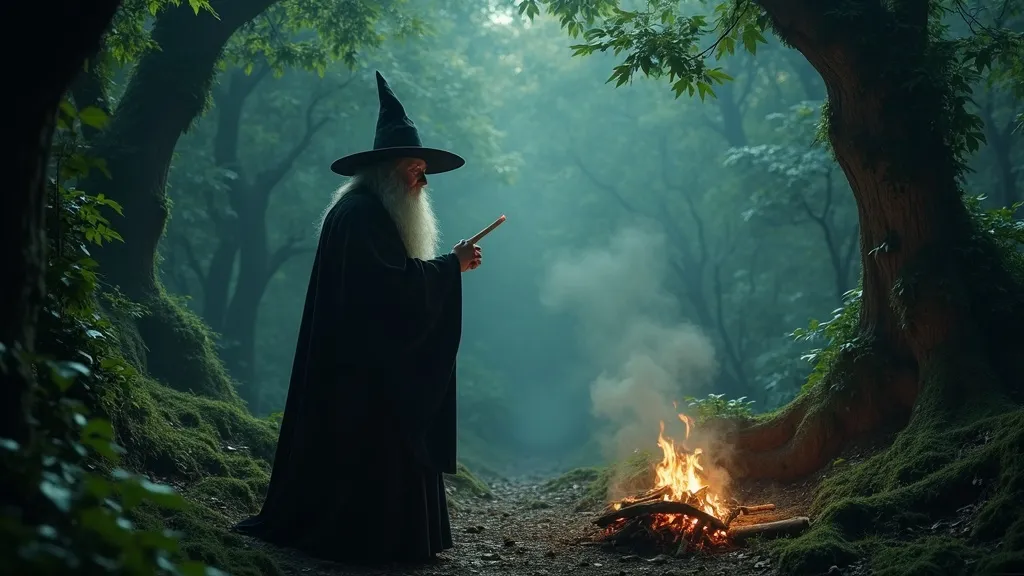
Unlocking the Secrets of Wizard Lessons
Wizard Lessons offer a glimpse into the mystical world of magic, providing structured learning experiences for aspiring wizards. These lessons cover various aspects of magic, from spell casting to potion making, and are deeply rooted in both tradition and evolving magical practices. Aspiring wizards can delve into these teachings to enhance their magical prowess and understanding of the enchanted arts.

Understanding Lato Sensu Courses
Lato Sensu refers to postgraduate courses offering specialized education, often linked to practical experiences and professional enhancement. These programs emphasize advanced learning tailored to students' chosen fields, with flexible formats to accommodate diverse educational goals and local contexts. This article explores the significance, structure, and advantages of Lato Sensu programs for aspiring professionals.

Understanding Lato Sensu Education Courses
Lato sensu education courses are specialized postgraduate programs offering practical skills and knowledge in specific fields. Distinct from stricto sensu programs focusing on academic research, lato sensu courses are typically shorter and professionally oriented, making them attractive to those seeking career enhancement. This article delves into the intricacies of lato sensu education, exploring its benefits, structure, and global perspective.

Understanding Lato Sensu Education
This guide explores the essential aspects of Lato Sensu programs, which are critical post-graduate courses focusing on specific professional skills enhancement. Typically found in Brazilian education, these programs differ from Stricto Sensu courses by emphasizing practical skills over theoretical research. The article analyzes the elements critical to choosing a Lato Sensu course, such as institution reputation, course content, and potential career outcomes.

Understanding Lato Sensu Programs
Lato Sensu programs are advanced educational offerings focused on professional specialization and continued learning. These programs, prevalent in various regions, cater to the needs of professionals who seek to enhance their expertise through structured curricula, diverse opportunities, and practical-oriented teaching methods. They are crucial for adaptive workforce development in today's dynamic professional landscape.
