Fresh logistic services are pivotal in today’s fast-paced supply chain, ensuring the timely and safe transportation of perishable goods from origin to consumption point. This article delves into the intricacies of fresh logistics, highlighting its importance, operational challenges, and the evolving solutions that cater to the global demand for fresh products across diverse industries.
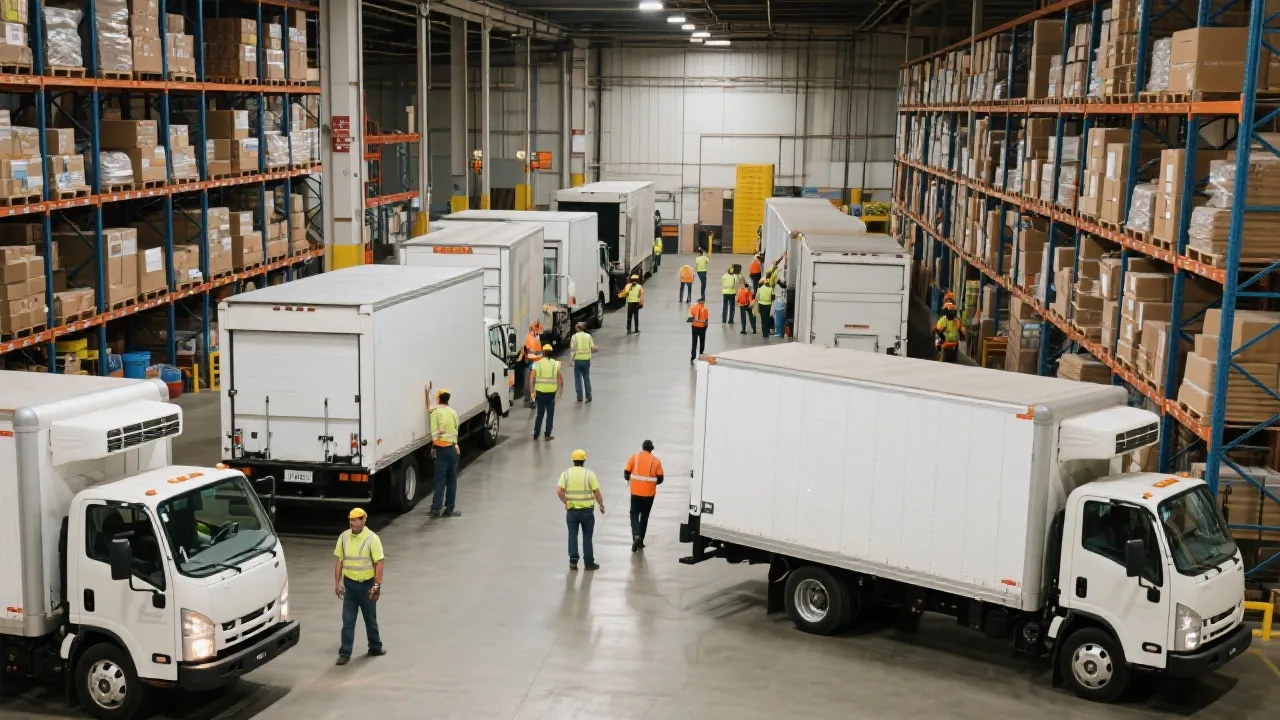
In the contemporary marketplace, fresh logistic services are crucial for ensuring the swift and secure movement of perishable goods. As the demand for fresh produce, dairy, meat, and other perishables grows, so too does the need for efficient logistics systems capable of maintaining the integrity and quality of these goods from farm to table. This article provides a detailed exploration of fresh logistic services, considering their significance, the challenges faced by the industry, and potential solutions for these logistical hurdles. Understanding the factors that contribute to effective fresh logistics is increasingly important as global supply chains evolve, and consumer preferences shift towards greater accessibility and sustainability.
Fresh logistics play a critical role in the global supply chain. Consumers today are increasingly demanding fresh, high-quality products, and logistics providers must be able to deliver these goods within tight time frames while maintaining their freshness. The ability to do so not only enhances customer satisfaction but also leads to cost savings by reducing waste and spoilage. According to a report by the International Trade Centre, efficient fresh logistics can reduce food loss by up to 15%, underscoring the economic and environmental importance of improving these services.
Furthermore, as urban populations grow and consumer habits evolve, the demand for convenience and timely deliveries of fresh goods continues to increase. This surge in demand acts as a catalyst for innovation within logistics industries, prompting companies to rethink traditional approaches and invest in modern solutions. Success in fresh logistics contributes to a more resilient supply chain, where the rippling effects of food security and economic sustainability are felt across the broader community.
Despite its significance, fresh logistics present several challenges. Temperature control is one of the very critical aspects, as even slight variations can compromise product quality. The perishability of goods such as fruits, vegetables, seafood, and dairy products necessitates strict adherence to temperature specifications throughout the supply chain. If products spend too long outside of their required temperature range, they can spoil, which not only leads to product loss but also consumer dissatisfaction.
Additionally, the time-sensitive nature of deliveries poses a logistical headache. Fresh goods must be dispatched quickly to reach customers in optimal condition, which places a premium on efficient routing and reliable transportation methods. Regulatory compliance across various borders adds layers of complexity to fresh logistics operations, as companies must navigate a web of different rules and standards. Moreover, the constantly rising costs of fuel and labor significantly impact profitability, compelling logistics providers to seek efficiency improvements.
Environmental concerns associated with logistics operations also represent a challenge. Consumers are more conscious of their environmental footprint, and there is increasing pressure on companies to adopt more sustainable practices. This often includes reducing greenhouse gas emissions, which requires the implementation of greener technologies and transportation methods.
Lastly, inventory management is another critical challenge in fresh logistics. Perishable goods require careful tracking to minimize waste, and the unpredictability of demand can complicate inventory control. Balancing the need to have sufficient stock available to meet customer needs while minimizing spoilage and excess inventory is a key operational hurdle for logistics providers.
Addressing these challenges requires innovative solutions. Advanced temperature monitoring systems and real-time data analytics are at the forefront, enabling logistics providers to continuously monitor conditions and make immediate adjustments to prevent spoilage. When paired with predictive analytics, companies can foresee potential delays or issues, allowing them to proactively address them before they escalate into larger problems.
Furthermore, investments in training for personnel are crucial. Well-trained staff who understand the nuances of handling perishable goods can make a significant difference in operational efficiency and compliance with food safety standards. Organizations that prioritize employee education foster a culture of accountability and awareness throughout their logistics chain.
Upgrading transportation fleets to more energy-efficient models helps mitigate the environmental impact while also improving service efficiency. Companies are increasingly looking at electric or hybrid vehicles that reduce both fuel costs and emissions. Such investments, while often significant upfront, can yield long-term cost savings and align with consumer preferences for environmentally friendly practices.
Additionally, the implementation of automated inventory management systems can streamline operations, providing real-time updates on stock levels and expiry dates. Automation minimizes the risk of human error and allows logistics managers to focus on strategic decision-making rather than getting bogged down in daily operational tasks.
Adherence to industry standards and compliance with international regulations is fundamental in the realm of fresh logistics. The Global Food Safety Initiative (GFSI) and Hazard Analysis Critical Control Points (HACCP) guidelines are extensively followed to ensure safety and quality standards in fresh logistics. These frameworks provide protocols to manage risks and enhance supply chain transparency.
Compliance with GFSI standards requires robust documentation practices and traceability systems that track products throughout the supply chain. This level of traceability is essential in the event of recalls or quality issues, enabling companies to swiftly identify affected products and mitigate potential harm to consumers.
Additionally, they must be aware of evolving regulations that could impact their operations. The global food landscape is constantly changing, with new safety guidelines being introduced to protect public health. Firms engaged in fresh logistics need to stay ahead of these changes and adapt their processes accordingly to maintain compliance.
| Challenges | Potent Solutions |
|---|---|
| Temperature Control | Implementing advanced temperature monitoring systems with real-time alerts. |
| Delivery Timeliness | Utilizing predictive analytics and route optimization technologies. |
| Cross-border Compliance | Adhering to international food safety standards and regulations. |
| Cost Management | Transitioning to energy-efficient transportation solutions and optimizing labor through automation. |
| Inventory Management | Implementing automated inventory systems that provide real-time tracking and alerts for expiration dates. |
The adoption of technology is revolutionizing fresh logistics. IoT devices offer real-time tracking of shipments, allowing logistics providers and customers to monitor progress throughout the transportation process. This visibility helps optimize supply chain operations and builds trust between suppliers and consumers.
Blockchain technology also provides transparency and traceability, helping to authenticate product origins and movement while reinforcing safety compliance. By recording every transaction in an immutable ledger, companies can trace products back to their farms, ensuring quality assurance for consumers concerned about food sourcing.
Moreover, data analytics play a pivotal role in demand forecasting. By analyzing historical data and market trends, logistics companies can more accurately predict product demand, allowing them to optimize inventory levels and reduce waste. This data-driven approach empowers companies to streamline their processes and tailor their services to meet consumer needs effectively.
The future of fresh logistics looks promising with ongoing innovation and technology integration. Advanced solutions, such as autonomous vehicles and drones, present new opportunities for last-mile delivery of fresh products, which is essential for maintaining optimal freshness. These technologies can significantly reduce delivery times and improve operational efficiency.
Companies are increasingly adopting hybrid solutions that combine traditional logistics practices with cutting-edge technology to streamline operations. For example, some firms are exploring the use of smart refrigerators and automated cold storage solutions that monitor product conditions, ensuring optimal storage environments throughout the supply chain. With these advancements, logistics providers can greatly enhance the integrity and freshness of their goods.
In the near future, the continued evolution of artificial intelligence (AI) and machine learning is expected to offer even greater efficiencies in logistics planning and execution. By leveraging algorithms that analyze vast amounts of data, companies can make informed decisions about routing, inventory management, and demand forecasting. AI-driven solutions will fundamentally change how logistics operations are optimized, ensuring responsiveness to changing consumer expectations.
What is fresh logistics?
Fresh logistics involves the safe and efficient transportation and storage of perishable goods, ensuring they maintain quality and freshness throughout the supply chain. This branch of logistics is essential not only for food safety but also for maintaining the sustainability of global food systems.
Why is temperature control vital in fresh logistics?
Temperature control is crucial because even slight deviations from prescribed ranges can cause spoilage, leading to waste and financial losses. Maintaining appropriate temperature conditions is essential for preserving the freshness and quality of perishable products.
How does fresh logistics benefit consumers?
Fresh logistics ensures that consumers receive high-quality, fresh products, enhancing satisfaction and trust in the brand. Effective logistics systems play a vital role in guaranteeing that products are available when customers want them, thereby improving their overall shopping experience.
What role does technology play in fresh logistics?
Technology such as IoT and blockchain enables real-time tracking, supply chain transparency, and improved efficiency in logistics operations. By integrating these technologies into their processes, logistics providers can meet the demands of modern consumers more effectively.
How is sustainability promoted in fresh logistics?
Sustainability in fresh logistics can be promoted through the adoption of energy-efficient transportation, optimization of supply chains to reduce waste and emissions, and implementing environmentally friendly practices at all stages of logistics. This focus not only meets consumer demand for greener practices but also contributes to a healthier planet.
What are the training requirements for logistics personnel handling perishables?
Logistics personnel must be trained in food safety standards, effective inventory management, temperature control best practices, and customer service skills. Specialized training ensures that they can handle perishable goods appropriately and respond to challenges effectively, thereby reducing the risk of spoilage and maintaining compliance with regulations.
What impact does consumer demand have on fresh logistics?
Consumer demand significantly impacts fresh logistics, prompting companies to adapt their strategies to offer quicker, fresher deliveries. The trend towards online grocery shopping has further intensified the need for efficient logistics solutions that can respond to evolving consumer preferences and expectations.
Striking the Perfect Balance: Navigating Premiums and Out-of-Pocket Expenses in Senior Insurance Plans

Explore the Tranquil Bliss of Idyllic Rural Retreats

How to Make Lasting Memories at Disneyland Attractions

Affordable Phones and Plans for Seniors

Affordable Full Mouth Dental Implants Near You

Unlock the Top Kept Secrets to Finding Your Ideal Dentist for Flawless Dental Implant Results!

Discovering Springdale Estates

The Guide to Car Trading

Affordable Cell Phones Without Plans

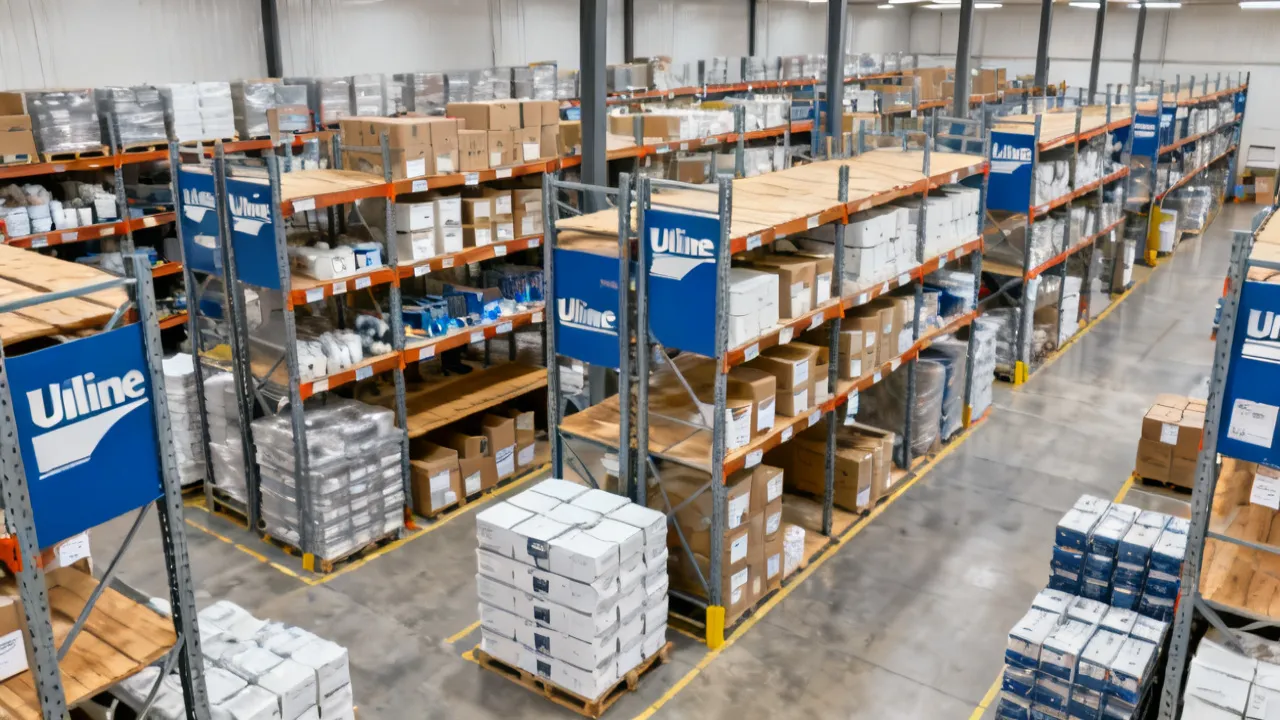
Mastering Storage with Uline Shelving
This guide explores Uline Shelving, a leading solution for optimizing storage spaces across various industries. Known for its durability and versatile applications, Uline Shelving can transform warehouses, retail spaces, and personal storage areas. The article delves into the benefits, features, and typical use cases of Uline Shelving, offering insights for enhancing organizational efficiency.
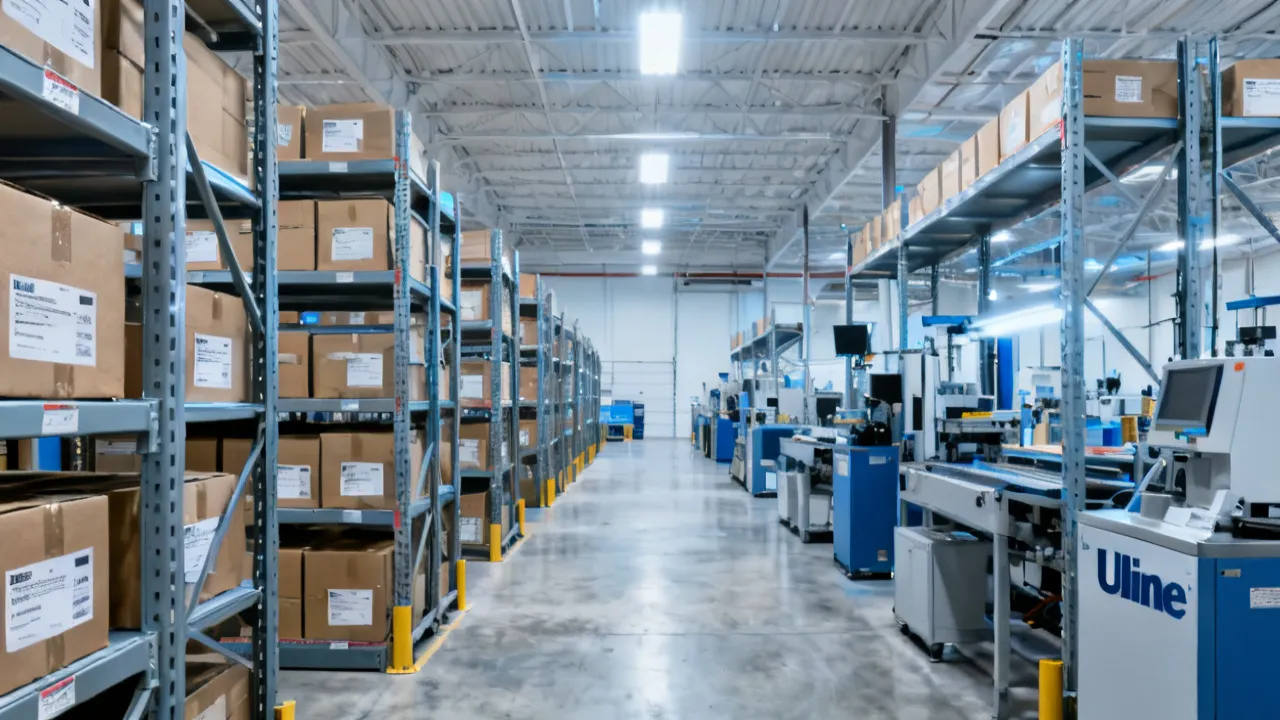
Optimizing Storage with Uline Shelving
Uline Shelving offers diverse storage solutions that support various organizational needs. As a leading name in warehouse and workspace efficiency, Uline's shelving systems are revered for their durability, versatility, and ease of installation. This article delves into the features, benefits, and practical applications of Uline Shelving, offering insights into maximizing storage potential in industrial settings.
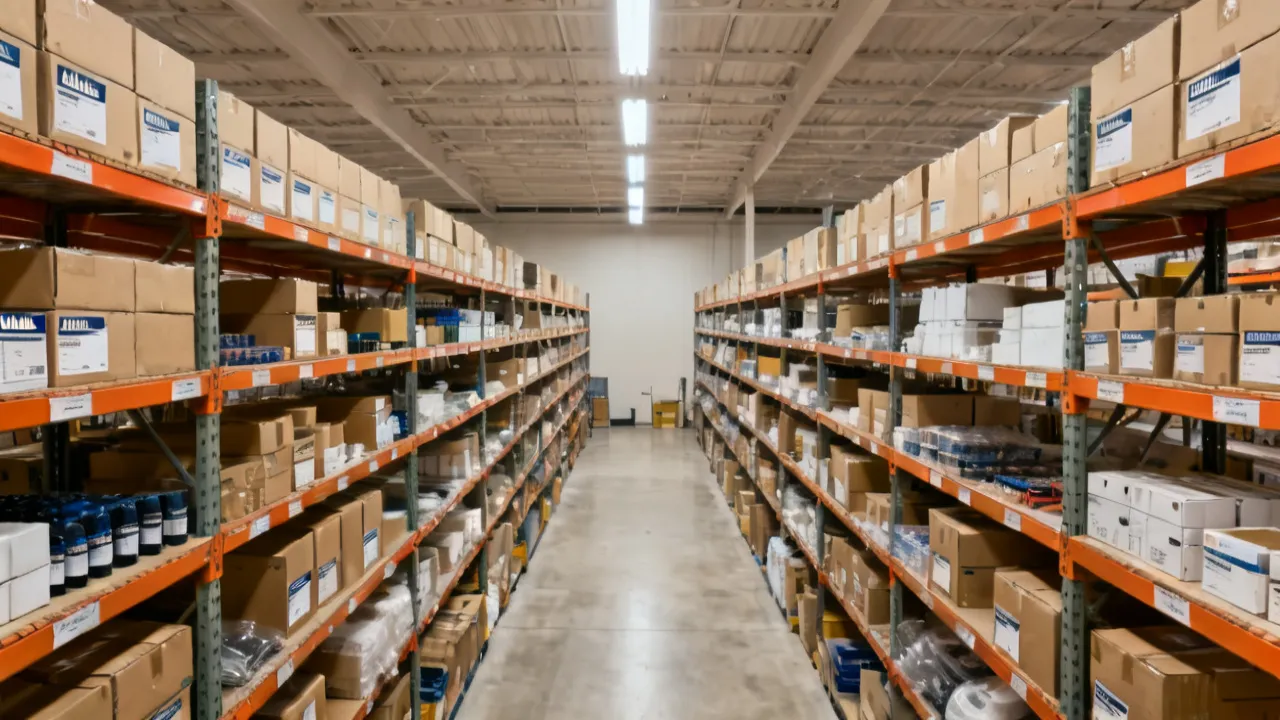
Maximizing Space with Uline Shelving
Uline Shelving is renowned for optimizing storage solutions in industrial and home settings. Known for its durability and versatility, it ensures efficient organization, accommodating various storage needs from bulky items to small components. This article delves into Uline Shelving's key features, advantages, and real-world applications, providing a detailed guide for potential users and businesses.
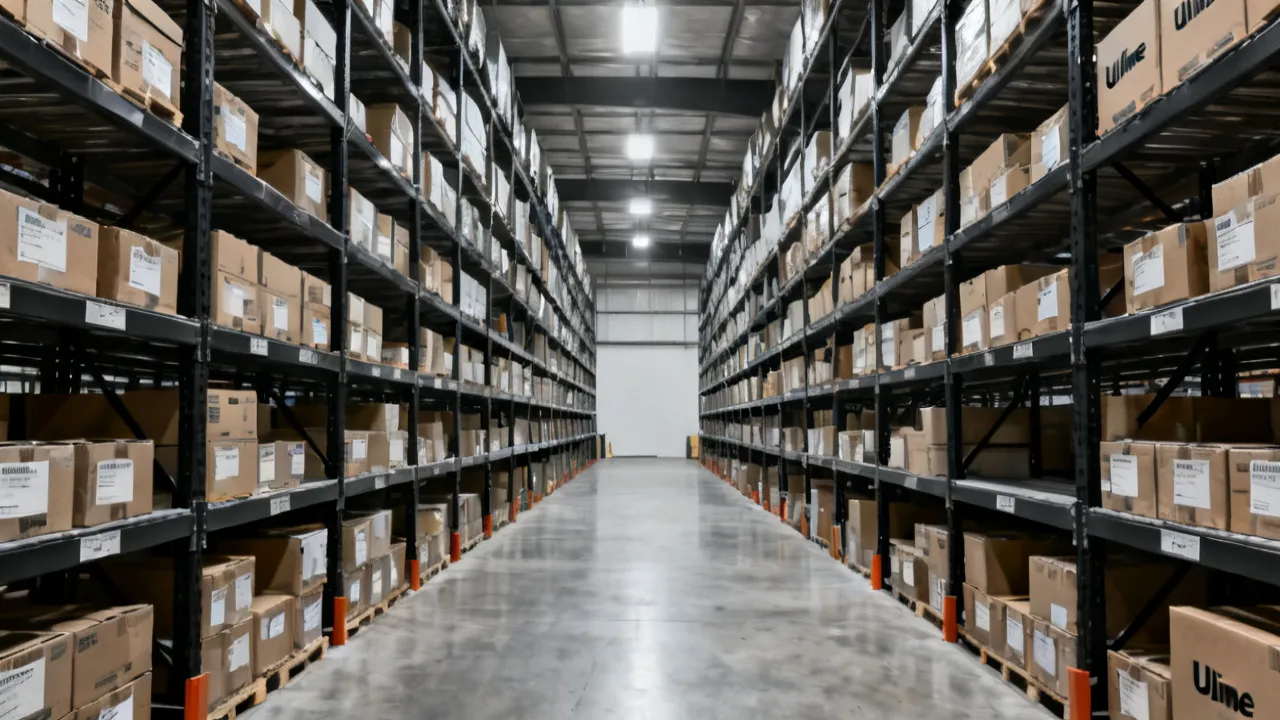
The Efficiency of Uline Shelving
This guide explores the benefits of Uline shelving, a popular choice for organized storage in various industries. Uline shelving, known for its durability and versatility, is essential for maximizing storage efficiency. This article provides an expert perspective on the advantages and considerations when choosing Uline shelving for your storage needs.
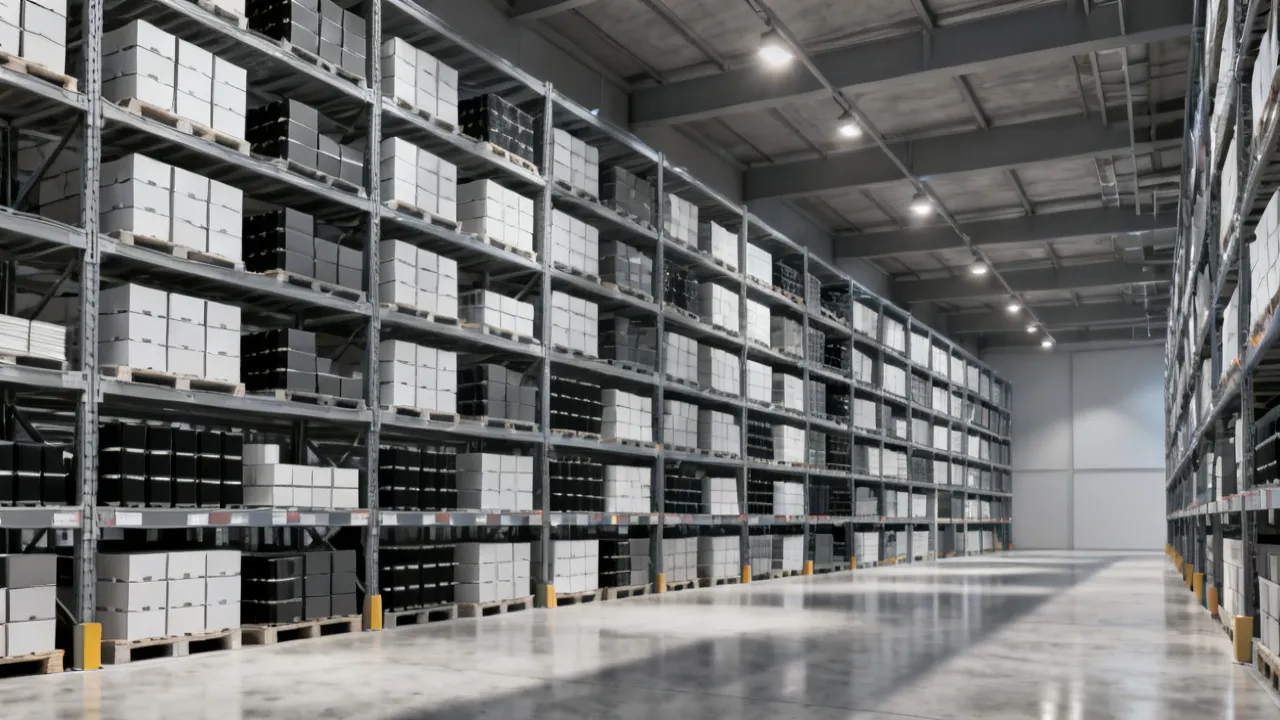
Understanding Uline Shelving Systems
Uline Shelving stands as a prominent solution for efficient storage in various industries. Known for its durability and versatility, Uline Shelving offers a range of options suitable for warehouses, offices, and retail environments. This article explores the functionality, benefits, and top practices associated with using Uline Shelving to maximize space and improve organizational logistics.
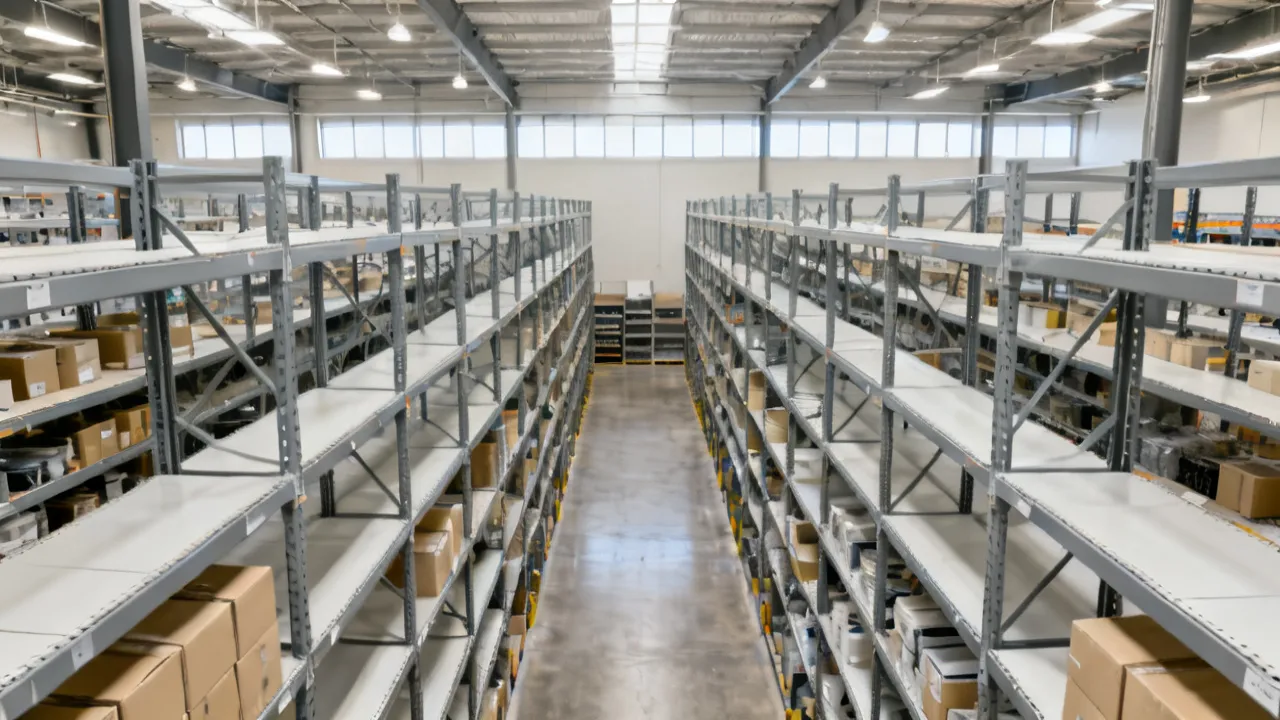
The Role of Uline Shelving in Storage Solutions
In the industrial storage sector, Uline Shelving has emerged as a cornerstone of effective organizational strategies. Renowned for its durability and versatility, Uline Shelving aids businesses in maximizing space and enhancing operational efficiency. This analysis delves into the components and benefits of Uline Shelving, offering insights into its application across various industries.
