Bishamon, or Bishamonten, is a revered deity in Japanese mythology, embodying aspects of war and protection. This article delves into his significance, examining his origins, cultural impact, and how he is revered in modern practices. Understanding Bishamon offers insightful perspectives into Japanese historical and cultural narratives.
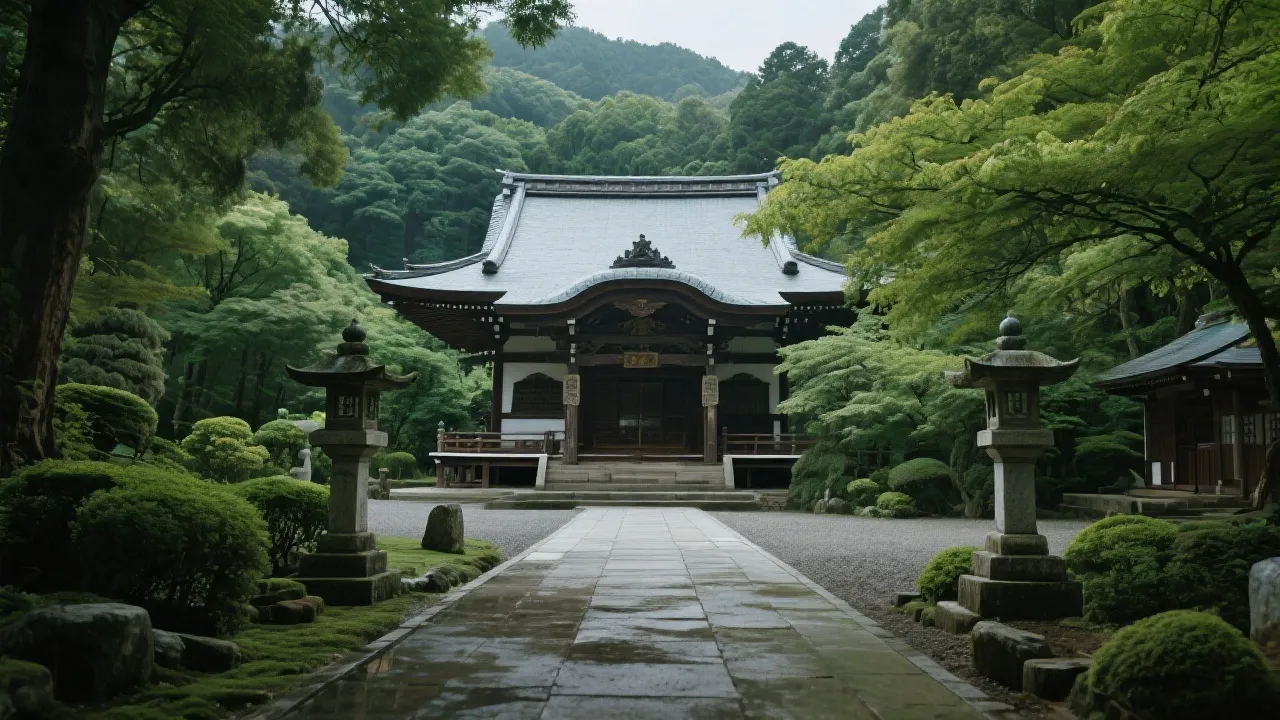
Bishamon, also known as Bishamonten, is one of the pivotal figures in Japanese mythology. He is revered as a deity of war and protection, often depicted as a heavily armored warrior. Bishamon holds a distinguished place within the Shichifukujin, the Seven Gods of Fortune, celebrated for bestowing good fortune and acting as a stern guardian against evil. His significance in Japanese culture is not merely confined to ancient prayers but extends into the realms of art, literature, and modern spirituality. Let us delve into his origins and influence in Japanese culture.
Bishamon’s roots can be traced back to Indian Buddhism, where he is known as Vaishravana, a prominent figure in the Buddhist pantheon. Vaishravana is characterized as a guardian of the Northern direction, often associated with wealth and the protection of treasures. As Buddhism spread to Japan around the 6th century, Vaishravana underwent a cultural transformation, aligning with local beliefs and becoming Bishamonten, reflecting both foreign influences and indigenous practices. This transition not only highlights the adaptability of religious figures but also illustrates how they can embody various societal values.
The adoption of Vaishravana into Japanese culture introduces myriad layers to his representation. For instance, Bishamon is depicted with a pike in one hand and a pagoda in the other; the pike represents martial capability and strength, while the pagoda symbolizes wisdom and spiritual transcendence. This duality captures the essence of the struggles faced by samurai and common folk alike, providing both a protector and a source of wisdom in times of distress.
Furthermore, Bishamon's associations with the warrior class during the Heian and Kamakura periods contributed to his iconography and popularity. The samurai, historically regarded as the elite military class, saw in Bishamon a patron capable of granting them success in battle. Such representations underscore the intersection of martial values and spiritual beliefs in Japanese society. The existing statues and carvings from various historical periods continue to serve as both artistic treasures and religious artifacts, evoking Bishamon's lasting legacy.
Bishamon’s role as a protector is central to his identity, serving as a key figure through which the concepts of valor and protection are explored. He is often portrayed in temples, safeguarding sacred spaces and warding off malevolent forces. His iconography typically involves images of standing atop a demon, symbolizing triumph over evil. This portrayal underscores the belief in his ability to protect adherents from harm and bring prosperity.
The meticulous details of Bishamon's depictions reflect a deeper understanding of his divine attributes. His armor is often elaborately designed, showcasing intricate patterns and artistic flourishes that imply both strength and beauty. The presence of a fierce facial expression, coupled with fierce eye contact, signifies his readiness to engage in battle against evil. Additionally, he is frequently surrounded by elements such as flames or clouds, which serve to emphasize both his divine nature and the reverential awe he commands.
Moreover, Bishamon's visual representations are not limited to religious contexts. Various forms of traditional Japanese art, including ukiyo-e prints, textiles, and sculptures, have utilized his imagery, contributing to the broader narrative of Japanese culture. For instance, in the Edo period, artists depicted him alongside other deities, in rich colors and elaborate clothing, further cementing his stature in the pantheon of Japanese gods. This artistic proliferation not only secured his presence in temples but also in the homes of ordinary people, fostering a sense of familial protection and hope.
In contemporary Japan, Bishamon's influence persists, visible in religious, cultural, and even popular media spheres. Temples dedicated to Bishamon continue to attract patrons seeking blessings for protection and success. The rituals performed at these temples often involve offerings of food and prayer, emphasizing the community's ongoing relationship with this deity. Notably, festivals and rituals celebrate his protective qualities, reinforcing his status as a guardian deity. Such festivals are vibrant events featuring processions, traditional music, and communal festivities that create an atmosphere of reverence and joy, drawing both locals and tourists alike.
His presence in modern manga and anime also reflects an enduring legacy, as creators draw inspiration from his storied history. Characters embodying the traits of Bishamon appear in popular series, often depicted as strong, honorable figures that protect the weak and stand against villainy. This adaptation confirms the persistence of traditional narratives within popular culture, ensuring that Bishamon's legacy is not only preserved but repackaged for contemporary audiences.
Furthermore, Bishamon has transcended mere representation in storytelling. Many modern businesses and startups incorporate his imagery or attributes into their branding, seeking to attract luck and success. The phenomenon extends into merchandise, where statuettes, charms, and other forms of collectibles featuring Bishamon are made available, showcasing his integration into everyday consumer culture. This reflects a broader trend in Japan, where the sacred is often interwoven with the secular, fostering a culture in which spirituality and daily life are inextricably linked.
| Deity | Attributes |
|---|---|
| Bishamon | Warrior, protector, conferrer of fortune and knowledge. |
| Benten (Benzaiten) | Music, eloquence, water, and feminine beauty. Often seen as a muse. |
| Fukurokuju | Longevity, wisdom, happiness. Known for his distinctive appearance and associations with luck. |
| Jurojin | Longevity and prosperity, often depicted alongside Fukurokuju, representing the wisdom of age. |
| Daikokuten | Wealth and prosperity, frequently shown with a mallet, embodying abundance and fortune. |
| Inari | Rice, agriculture, fertility, and prosperity. Often represented by foxes, symbolizing the deity's cunning and insight. |
| Ebisu | Fishermen and luck, depicted as a jovial figure often holding a fishing rod and a model of a fish. |
In Japan, the cultural absorption of Bishamon’s virtues into daily life is noteworthy. Many people have shrines dedicated to Bishamon in their homes, believing in his ability to safeguard and bless their families. This practice highlights the continuous relevance of traditional beliefs in shaping modern life. For instance, during significant life events like the New Year or a child’s coming-of-age ceremony, families invoke Bishamon’s blessings, hoping for future successes and protection.
Businesspeople, in particular, invoke Bishamon's protection for success in their ventures. Many enterprises include Bishamon statues in their offices, believing that his auspicious nature will lead to increased fortune and protection against misfortune. This devotion illustrates the intersection of spirituality and commerce, as many believe that success in business is linked to divine favor. The belief system is deeply culture-rooted, and such practices are often perpetuated through generations, emphasizing Bishamon’s steadfast role as a guardian not only of individuals but of entire families and businesses.
In addition, schools and educational institutions often organize ceremonies to seek blessings from Bishamon before the start of academic years or major examinations. These practices aim to foster a positive environment conducive to learning and success. The act of praying to Bishamon showcases an acknowledgment of the challenges faced in life and represents a community united in hope for protection and guidance.
While Bishamon originally gained acclaim through religious practices and historical narratives, his influence permeates various forms of media today. From anime series such as "InuYasha," which draws on classical myths, to video games featuring Bishamon-inspired characters, he continues to resonate with audiences. Modern creators often imbue Bishamon with narrative depth, allowing him to serve as a central figure embodying courage, charisma, and wisdom.
Manga and anime series often portray Bishamon in heroic roles, paralleling contemporary societal values with traditional ancestry. This representation assists in reinforcing his image as a protector while allowing for nuanced storytelling. Bishamon’s popularity amongst audiences transcends age and demographics, illustrating the capacity for historical deities to inspire contemporary narratives.
Notably, some modern adaptations take creative liberties with the character of Bishamon, crafting stories that meld traditional elements with modern dilemmas. By exploring moral complexities and situational ethics through the lens of his character, these narratives foster a unique dialogue around honor, protection, and the idea of divine guardianship. Such modern interpretations are instrumental in ensuring that ancient deities like Bishamon remain relevant in the face of ever-changing cultural landscapes.
Bishamon is a deity from Japanese mythology, known for being a protector and a figure bestowing fortune. He is one of the Seven Gods of Fortune.
Bishamon is typically depicted as a warrior in armor, carrying a pike and a mini pagoda, symbolizing his martial prowess and spiritual guardianship. His fierce countenance and detailed armor convey both strength and benevolence.
Temples dedicated to Bishamon can be found throughout Japan, with some prominent ones located in Kyoto and Tokyo, known for their historical reverence and annual festivals honoring Bishamon. Notable temples include the Kannondō at Zōjō-ji in Tokyo and the Zōjō-in Temple in Kamakura.
Today, Bishamon remains a symbol of protection and success. His influence extends beyond religious practices into cultural facets like art and entertainment, highlighting his enduring impact on both personal and collective identities.
Yes, many businesspeople invoke Bishamon for blessings regarding prosperity and protection in their endeavors. His image is often found in shops and offices as a sign of good fortune and success.
Ultimately, Bishamon serves as a fascinating example of the integration of religious and cultural beliefs, illustrating a unique part of Japan’s historical tapestry. The enduring reverence for Bishamon speaks volumes about the significance of tradition in contemporary life, creating a continuous thread that ties the past with the present and shaping narratives for future generations. His legacy, rooted in history, finds expression in modern life, transcending the barriers of time and culture as a symbol of protection, prosperity, and valor. The dynamism of Bishamon in Japanese culture underscores the beauty of evolving mythology and the steadfastness of cultural identity amidst change, ensuring that his story will be told for years to come.
Striking the Perfect Balance: Navigating Premiums and Out-of-Pocket Expenses in Senior Insurance Plans

Explore the Tranquil Bliss of Idyllic Rural Retreats

How to Make Lasting Memories at Disneyland Attractions

Affordable Phones and Plans for Seniors

Affordable Full Mouth Dental Implants Near You

Unlock the Top Kept Secrets to Finding Your Ideal Dentist for Flawless Dental Implant Results!

Discovering Springdale Estates

The Guide to Car Trading

Affordable Cell Phones Without Plans


Understanding Rlock Advpl in Business
Rlock Advpl represents a pivotal advancement in business software solutions, offering enhanced security and efficiency for enterprise resource planning systems. This article delves into the intricacies of Rlock Advpl, its application in modern businesses, and the benefits it offers in streamlining operations and safeguarding data. As an expert tool, Rlock Advpl is essential for businesses looking to optimize their IT infrastructure.

Unveiling Atranet Innovation
Atranet represents a cutting-edge concept in networking technology. Harnessing its capabilities can transform digital communication by providing seamless connectivity. Designed to optimize data transfer, security, and efficiency, Atranet is shaping the future of how we connect and share information. This article delves into its structure, applications, and potential impacts on industry practices and consumer experiences.

Understanding Polysulfide Adhesive Applications
This comprehensive guide explores the applications and benefits of polysulfide adhesive, highlighting its unique properties and widespread use in construction, aerospace, and automotive industries. Known for its flexibility and resistance to various environmental factors, polysulfide adhesive is a key component in sealing and bonding applications, providing durability and reliability in demanding conditions.

Comparing Vtex with Salesforce Commerce
This article provides an in-depth comparison between Vtex and Salesforce Commerce, two leading digital commerce platforms. Each offers unique features suited to different business needs. Vtex is renowned for its collaborative commerce approach, while Salesforce Commerce shines with its comprehensive customer relationship management capabilities. Explore their differences, strengths, and insights from industry experts.

Understanding the Latest Chrome Version
This article delves into the intricacies and features of the latest Chrome version. Chrome, developed by Google, is one of the very popular web browsers globally, known for its speed, simplicity, and security features. Each update aims to enhance user experience through improved functionality and performance. Understanding these updates is crucial for both everyday users and developers.

Maximizing Benefits of Solar Panels: Costs and Energy Efficiency
Solar panels can save money and energy. Discover how to optimize installation for maximum benefits.
