If you need a new phone, this guide explains how Lifeline-supported programs and similar government phone initiatives work, including eligibility rules and how to apply. It also compares major providers’ included services and potential add-on costs. Background context is provided objectively on how phone affordability programs are structured in the U.S. and why plan availability can vary by state and device.
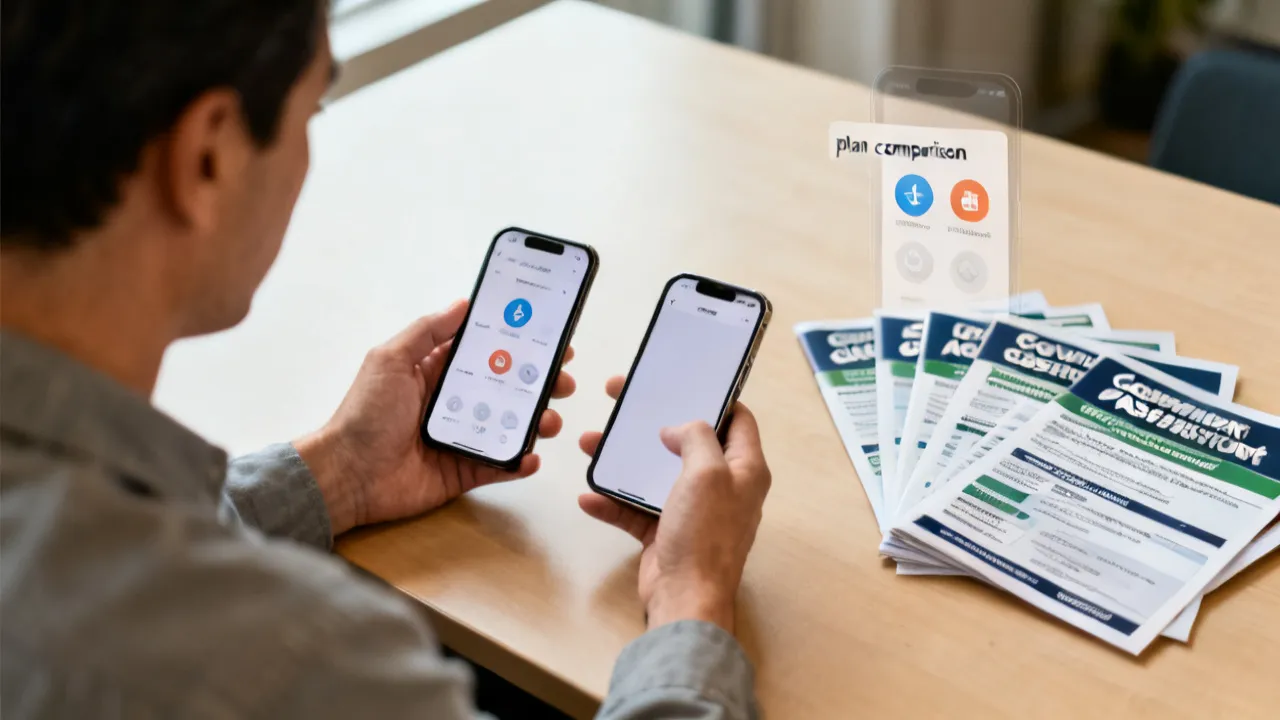
If you are thinking, “I need a new phone,” the fastest path is often to confirm whether you qualify for a government-supported affordability program and then choose a provider that offers the device type and service level that top fits your daily needs. In practice, very Lifeline-linked providers share a common structure: qualifying households can request a subsidized smartphone or enroll in a bring-your-own-device option, then receive service benefits that may cap data speeds or allowances. Device options and plan details can vary by location, so the application stage is where you’ll see what’s available to you.
When urgency is real—your phone is cracked, stops connecting, can’t send texts, or you depend on your number for school, job applications, or family coordination—the best strategy is not to jump straight into shopping for retail phones. Instead, you want a sequence that reduces risk: eligibility check first, provider selection next, then device/service confirmation as the final step. Even if you ultimately choose BYOD, verifying eligibility quickly can prevent you from losing time to an application that stalls at the verification step.
In this guide, you’ll find the same core workflow repeated in different ways: eligibility pathways, what you must prepare before you apply, and how to decide between a subsidized handset versus a bring-your-own-device arrangement. You’ll also find common pitfalls, a detailed provider comparison table, and practical checklists you can use to avoid slowdowns. The goal is simple: help you move from “I need a new phone” to “my service is working” with as little disruption as possible.
Programs that support monthly communication services aim to reduce barriers to voice, text, and mobile data access for qualifying households. They are typically tied to eligibility pathways such as income thresholds or enrollment in government assistance programs. Very providers participating in these programs align their offerings with federal and state rules, which is why you may notice differences in smartphone models, data amounts, and optional add-ons from one provider to another.
At an objective level, these programs exist because communication services have become a foundational utility for everyday life. Beyond calling and texting friends and family, mobile connectivity supports school portals, appointment reminders, job applications, health and benefits communications, navigation, and access to essential services. When a household can’t afford a phone plan or replacement device, the practical impact goes beyond inconvenience—it can affect safety, employment, and access to important information.
That’s why these programs usually focus on two things at the same time: affordable service and a workable device. Subsidized phones are intended to reduce the likelihood that a qualifying household has a phone but can’t afford monthly service. Conversely, BYOD options are intended to support people who already own a compatible device but still need affordability for service.
It’s also important to understand that government-supported programs may structure benefits differently from traditional retail plans. For example, “unlimited” may refer to unlimited talk/text, while data may come with high-speed limits and then shift to lower speeds after a threshold. Or data may be limited to a certain amount before a speed change occurs. That’s not necessarily a problem if your use is primarily messaging and basic internet access—but if you rely on high-speed video streaming for work or school, you’ll want to confirm data rules carefully before you commit.
Below is a high-level comparison of major government phone plan providers. Use it to narrow down which companies are likely to match your requirements—then verify current device availability and exact terms during the application process.
| Provider | Services included in government-supported plans (typical) | Potential additional package costs |
|---|---|---|
| SafeLink Wireless | Unlimited text and calls; data included with the plan (exact amount varies by plan/state) | Premium device upgrades or added data options may cost extra |
| Assurance Wireless | Affordable Android smartphone (where available); unlimited talk and text; data allowance under plan terms | Optional upgrades such as higher-speed data or international calling services |
| StandUp Wireless | Affordable smartphone or BYOD option; unlimited talk and text; data plan under program terms | Fees may apply for premium device upgrades or extra data |
| Access Wireless | Unlimited voice and text; limited high-speed data (with Lifeline/benefit-linked terms) | Data boosts and device upgrades may be available for a fee |
| True Wireless | Government-supported phones; voice and data plans under program terms | Optional upgrades for better devices or additional data plans |
Source of the table information:
Safelink Wireless: https://www.safelinkwireless.com
Assurance Wireless: https://www.assurancewireless.com
StandUp Wireless: https://standupwireless.com/
Access Wireless: https://www.accesswireless.com
True Wireless: https://www.gotruewireless.com/
These websites are listed as the source of the comparison details.
When you review this table, treat it as a starting point, not a final contract. The same provider can show different device options or different data allowances depending on your state, your plan tier, and the device you select. That’s why the “application stage” matters: it’s where the program actually checks eligibility and shows the exact benefit package available to you.
Additionally, you may want to consider coverage and network performance in your specific area. Even if two providers both offer “unlimited talk/text,” one provider might have better signal strength where you live or where you travel to work and school. While most program participants focus first on eligibility, you can reduce long-term frustration by paying attention to network quality once you begin enrollment.
Very government phone programs work through a short eligibility check that typically confirms either (a) income level or (b) participation in qualifying assistance programs. Some programs may also provide additional support for residents on Tribal lands. Because rules can be state-specific and may update over time, you should treat the steps below as a general workflow and always validate the latest requirements during application.
Eligibility is the critical path because without it, you can’t access the device or discounted service. Many people lose time by starting to compare retailers or buying a full-price phone without first confirming benefits. Or they apply without preparing documents, then get delayed while uploading verification. If you’re in a situation where your phone is urgently needed, you want to reduce uncertainty early.
In many cases, the easiest path is to prepare what you already have: proof of income (if using income-based eligibility) or proof of enrollment (if using program participation). The application process is typically designed to be efficient, but it relies on accurate information. If your address, name, or eligibility documentation doesn’t match, verification can slow down.
Because this guide references typical pathways, it’s useful to think about what you have available right now. For example, if you already receive SNAP or Medicaid, you may not need to gather complicated income documentation. If you don’t receive program support, income-based eligibility might be your route, which can require documentation such as pay stubs, letters, or tax-related records depending on your verifier’s requirements.
Also, if you’ve recently changed jobs, income, or household circumstances, you may want to confirm whether the eligibility rules consider your current status or the last available documentation. In many program workflows, the process depends on the type of verifier and the documents you provide, and you’ll want to follow the current instructions provided during application.
Because different providers may have different submission requirements, you’ll want to treat this as a baseline checklist rather than a guaranteed list of exact documents. For example, some applications allow certain documents to be uploaded online; others might require a specific format. Some may use automated verification with identity and eligibility databases, while others may request manual document uploads.
If your situation is urgent, you can reduce the chance of delays by making sure your personal details match across documents. Common issues include mismatched spellings (like “Jon” vs “John” on different records), a slightly different address format, or missing apartment numbers. Even if you feel it’s “close enough,” the verification system may treat it as mismatched.
Another factor is your phone number plan. Many people ask: “If I need a new phone, can I just switch to the subsidy and keep my number?” Often you can, but you need to follow the provider’s process for porting or transferring service. If you have accounts tied to your number—banking confirmations, two-factor authentication, or employer contact—keeping the number continuity can be extremely important.
Even though this workflow is straightforward, each step can contain “hidden complexity” if you rush. For example, many applicants focus on step 1 (provider selection) and then discover later that their device choice or data needs don’t align. Or they proceed with step 5 without confirming compatibility for BYOD, leading to delays in activation.
To keep the process smooth, it helps to prepare a small decision plan beforehand. Ask yourself: do I need a phone more because my current device is broken and unusable, or do I primarily need cheaper monthly service? If the phone itself is broken, choosing the subsidized device route might reduce frustration, even if shipping time becomes a factor. If your device is functional and only the plan is unaffordable, BYOD might be faster and help preserve continuity.
Also remember that “getting approved” and “getting connected” are not always the same event. Verification can take time, and activation steps often require you to insert a SIM, connect to Wi-Fi for updates, or complete initial setup tasks. If you are without service right now, you may want to plan for a short gap where you might rely on Wi-Fi for messages until activation completes.
From an industry perspective, the top decision usually depends on usage patterns and risk tolerance (for example, whether you rely on data for work, navigation, or school). When households request a subsidized handset, providers typically offer a workable entry device that meets core connectivity needs. The challenge is not whether you can receive service—it’s whether the data tier and device capability align with your day-to-day requirements.
To choose correctly, treat your phone needs like a checklist of tasks you must accomplish. If you need to submit work documents, access a school platform, or check appointment details, you likely need reliable data access—even if the data is limited to a certain high-speed tier. If your tasks are primarily calls and texts, the plan may be simpler to match.
One practical way to apply this guidance is to look at your phone’s “must-have apps.” Make a list and confirm they work on the type of operating system offered (for example, many subsidized options are Android). If you rely heavily on certain banking or authentication apps, you want a device with enough storage and a compatible OS version to run them reliably.
Additionally, think about battery health. Some subsidized phones may be refurbished or entry-level; confirm expected battery performance. If you’re in a situation where you rely on your phone for navigation and safety, battery longevity becomes a real part of “device capability.”
Finally, remember that “unlimited data” claims can mean different things. A plan may be unlimited at the policy level but still apply speed reductions after a usage amount. In day-to-day terms, you might experience high-speed during early usage and then slower speeds later. For tasks like email, messaging, and basic browsing, reduced speed might be fine. For video calls or streaming, it may not.
While the overall program structure is similar across participating providers, differences may show up in the device lineup, data allowances, and the available upgrade paths. Below are practical, objective considerations you can use to compare options.
SafeLink Wireless generally emphasizes accessibility through a smartphone offer and a BYOD alternative. Their plan details can vary by state and selected tier, and additional charges may apply if you choose premium devices or extra data.
If you lean toward SafeLink, the best “comparison questions” to ask during enrollment are: What exact phone model is offered in your location? How much data is included? Is the data high-speed up to a cap and then reduced, or is it limited to a set amount? Are there device upgrades available, and what do those cost? If you keep your phone number, what is the porting or activation timeline?
For urgent situations, also watch for whether SafeLink’s BYOD path can activate quickly once you submit your application and your device is confirmed compatible. If shipping delays would leave you without service, BYOD might be worth investigating—if your device is indeed supported.
Assurance Wireless commonly pairs an Android smartphone option with unlimited talk/text and a plan-based data allowance. Optional upgrades—such as higher-speed data or international calling—may come with added cost.
Assurance Wireless can be appealing if you want a straightforward set of core features: unlimited talk and text plus a data allowance structured by plan terms. To choose confidently, focus on the data experience and your app usage. Many people don’t need heavy streaming, but they do need reliable messaging and browsing. If the included plan supports adequate “usable data” during the high-speed portion, you may be satisfied without paying for add-ons.
If you anticipate frequent travel or need international calling, optional international features can matter. It’s also worth checking whether international calling upgrades are billed per minute, per month, or as a package, because “international” can add unexpected costs if you rely on it often.
StandUp Wireless offers both a subsidized smartphone and BYOD pathways. As with other providers, additional fees may apply for premium upgrades and extra data packages.
For StandUp, a key decision point is whether you want to receive the subsidized device or activate using your existing phone. If your current phone is compatible, BYOD can reduce waiting time. If your current phone is damaged or cannot hold a charge, a new device may restore reliability faster—assuming shipping timeline aligns with your urgency.
Also compare any stated “upgrade paths.” If you find that the base device and plan meet your needs but you want a faster upgrade later, knowing the cost and availability early can help you avoid mid-year surprises.
Access Wireless is frequently described in connection with unlimited voice and text plus limited high-speed data within program-linked terms. Data boosts and device upgrades are typically offered as optional paid additions.
Access Wireless may be a good match if you mainly need reliable calls and texts and you use data for lighter tasks. Many households can manage with a reduced high-speed threshold as long as messaging and routine browsing remain functional. However, if you rely on high-speed video or frequent video calls, you’ll likely want to assess whether the “limited high-speed data” is enough for your typical monthly usage pattern.
Data boosts can be helpful if you know you sometimes exceed your base allowance. The best approach is to learn how data boosts are purchased, how much they cost, and whether they have expiration periods. Some boost options may refresh at the end of a billing or benefit cycle; others might be applied immediately and expire after a defined timeframe.
True Wireless generally supports government-backed phone programs offering voice and data service tied to eligibility. Optional upgrades to more capable devices or extra data may involve additional charges.
True Wireless can fit households that want a structured eligibility process and an upgrade path if they need more capacity. When comparing True Wireless options, consider whether the default device is sufficient for your critical apps and whether the data plan includes enough high-speed coverage for your typical month.
As with other providers, be alert to additional charges for premium device upgrades. If you already qualify, you want to ensure that the base plan offers the essential functions you rely on day-to-day. Upgrades should ideally be optional and chosen knowingly—not selected automatically without reading the terms.
Many of these pitfalls relate to one underlying theme: verification. Your approval is based on whether documents and records match and whether you satisfy eligibility rules. Even small errors—like uploading a document that is too blurry to read—can delay approval. If you need a phone urgently, it’s worth taking an extra few minutes to ensure the document images are clear and complete.
Another common pitfall is “plan assumption.” People sometimes assume that because a provider says “unlimited,” it means unlimited high-speed data. In reality, unlimited may apply to calls and texts, while data can be limited in how much is high-speed. That matters if you plan to use your phone as your primary internet device for schoolwork or job tasks.
Finally, compatibility pitfalls can happen even when your device seems “modern enough.” BYOD programs often require specific carrier compatibility, frequency bands, or device models that meet certain technical standards. If you choose BYOD and your device doesn’t pass compatibility checks, you may lose time waiting for alternative options. If your urgency is high, you may want to choose the subsidized device route unless you are confident your device is supported.
Start by confirming eligibility (income threshold or enrollment in qualifying programs). Then choose a provider and apply online. If your priority is minimal downtime, request the subsidized device option instead of BYOD.
If you’re dealing with a broken phone right now, a practical approach is to do two things in parallel (if possible): gather your documentation and begin the eligibility application. While you gather documents, you can also write down your phone number situation—whether you need to keep the current number and whether you have accounts tied to it. That way, once you’re approved, you can move quickly into activation or device setup without scrambling.
No. Even within similar government-supported programs, exact data allowances and how high-speed access is handled can vary by state and plan. Always review the plan details during enrollment.
To make this less confusing, try thinking in “usage categories.” For example, what portion of your month is likely to involve map navigation, email, streaming, video conferencing, or large file downloads? If you only need messaging and light browsing, a tiered data structure may be enough. If you need heavier data usage, you may want to prioritize the plan that offers the most high-speed data or includes the most flexible boost options.
Many providers support BYOD options, but compatibility requirements apply. If you must keep a current phone, verify device eligibility during the application process.
When deciding whether to use BYOD, consider risk. If your current phone is functional and you know it can connect to service, BYOD might reduce downtime. But if the phone is already failing—randomly restarting, losing signal frequently, or failing to hold a charge—BYOD might not solve the underlying “new phone” problem. In that scenario, the subsidized device route may provide better reliability.
Typically, the core program benefits are included according to plan terms, while premium device upgrades or additional data packages may require extra payment. Review costs before selecting upgrades.
It’s smart to treat upgrades as optional experiments, not default expectations. Ask yourself: “Do I truly need this upgrade now, or could I adjust my usage temporarily?” If you can reduce heavy data usage while you test the plan, you might avoid paying for expensive upgrades you don’t actually need.
Timelines vary by provider and verification process. Some applicants may experience delays if documentation is incomplete. To reduce risk, ensure your submitted information matches your records exactly.
If your timeline is tight, consider these practical actions: submit a complete application the first time, upload clear documents, and double-check your spelling and address formats. After approval, activation can also take time if you need to insert a SIM card or complete software updates. Building in a small buffer can prevent anxiety and last-minute troubleshooting.
Eligibility frequently includes income-based qualifications and participation in programs such as Medicaid, SNAP, SSI, or FPHA. Providers may also apply additional rules depending on state and residency circumstances.
Because eligibility can involve multiple pathways, you may want to decide which one is easiest to prove. If you already have documentation for enrollment in an assistance program, that might be simpler than assembling income documentation. But if you don’t have those programs, income-based eligibility may still be possible.
Plan changes and upgrades are usually possible subject to program rules and device/service availability. However, the specifics depend on the provider’s policies and your account status.
When considering plan changes, think about timing and continuity. Some changes may require a new device, a new plan tier, or a system update. Before planning a change, check whether it affects your phone number continuity or requires additional verification. If you need stability, wait to change your plan until you are certain the new tier meets your needs.
To make this checklist even more effective, add two personal steps: (1) write down what your phone must do daily, and (2) note any urgent deadlines connected to your phone. For example, if you have job training that requires app access, make sure your chosen device and plan can handle it at least during the high-speed portion of data or through Wi-Fi alternatives.
Also, before submission, ensure that you can access your email or phone (even temporarily) used for account setup. If you have no active phone service right now, plan for how you will receive application updates or verification instructions. Some applicants miss steps because they cannot access the contact method used for communications during enrollment.
If you’re preparing your documents, check clarity and completeness. If the verification step requires uploading, blurry images can create delays. If you are using a mobile scanner app, ensure the entire document is visible and the text is readable. If you are on a limited data plan or a shared device, download any needed forms and prepare uploads when you have stable Wi-Fi to reduce failure due to connectivity problems.
Finally, if you are selecting a subsidized phone, consider whether you need a phone case, screen protector, or charger replacement. Entry-level or refurbished devices can still last a long time, but protecting the device from immediate damage is a smart way to prevent needing another replacement sooner than necessary. Some households find that a small upfront accessory purchase (if feasible) reduces future downtime.
1) The information above comes from online resources, and the data is as of October 2023.
2) This website cannot guarantee that applicants will definitely get a government-supported phone. For specific application requirements and how to obtain a subsidized phone, please refer to the official requirements of the provider. This website will not be updated in real time.
Striking the Perfect Balance: Navigating Premiums and Out-of-Pocket Expenses in Senior Insurance Plans

Explore the Tranquil Bliss of Idyllic Rural Retreats

How to Make Lasting Memories at Disneyland Attractions

4rkojvsx Technology: Industry Insights and Buying Guide
Affordable Phones and Plans for Seniors

Affordable Full Mouth Dental Implants Near You

Unlock the Top Kept Secrets to Finding Your Ideal Dentist for Flawless Dental Implant Results!

Discovering Springdale Estates

Unveiling RS Sul Telecom Services

Affordable Phones and Plans for Seniors
Discover the top deals on new phones and plans tailored for seniors, including discounts on 5G technology and unsold models.
Affordable Cell Phones Without Plans
Discover affordable cell phones for sale without plans, exclusive discounts for seniors, and tailored mobile plan options in your area.

Navigating Government Phone Programs
This guide provides an expert analysis of government-supported phone programs for eligible individuals, offering insights into available providers and their services. Affordable phones are often a necessity for individuals under economic constraints, aiding in communication, job searches, and access to emergency services. The article delves into eligibility criteria, application processes, and compares popular service providers in various regions.
Unlocking the Top Cell Phone Deals
Discover unbeatable cell phone discounts, plans, and offers for seniors and iPhone enthusiasts without contracts.
Navigating Affordable Phone Offers
Discover the essential details about government-assisted phone programs aimed at providing budget-friendly devices to eligible individuals. These programs offer complementary mobile phones and services to qualified beneficiaries, ensuring connectivity at minimal expense. This guide breaks down how to access such benefits and what conditions apply.
How to Apply for a Affordable Phone
This guide provides insights on how to apply for a affordable phone through government-sponsored programs. Understanding how these programs operate and their eligibility requirements is essential. These initiatives aim to support individuals in low-income households or those enrolled in specified government assistance programs by providing basic communication tools.