Heuvel & Bondarouk's 2016 study offers an in-depth examination of the progressive integration of technology within Human Resource Management (HRM). Highlighting the pivotal role technology plays in modern HR practices, this analysis delves into the transformative impacts on recruitment, talent management, and employee engagement. By drawing on comprehensive research, it underscores how technological advancements continue to reshape traditional HR frameworks.
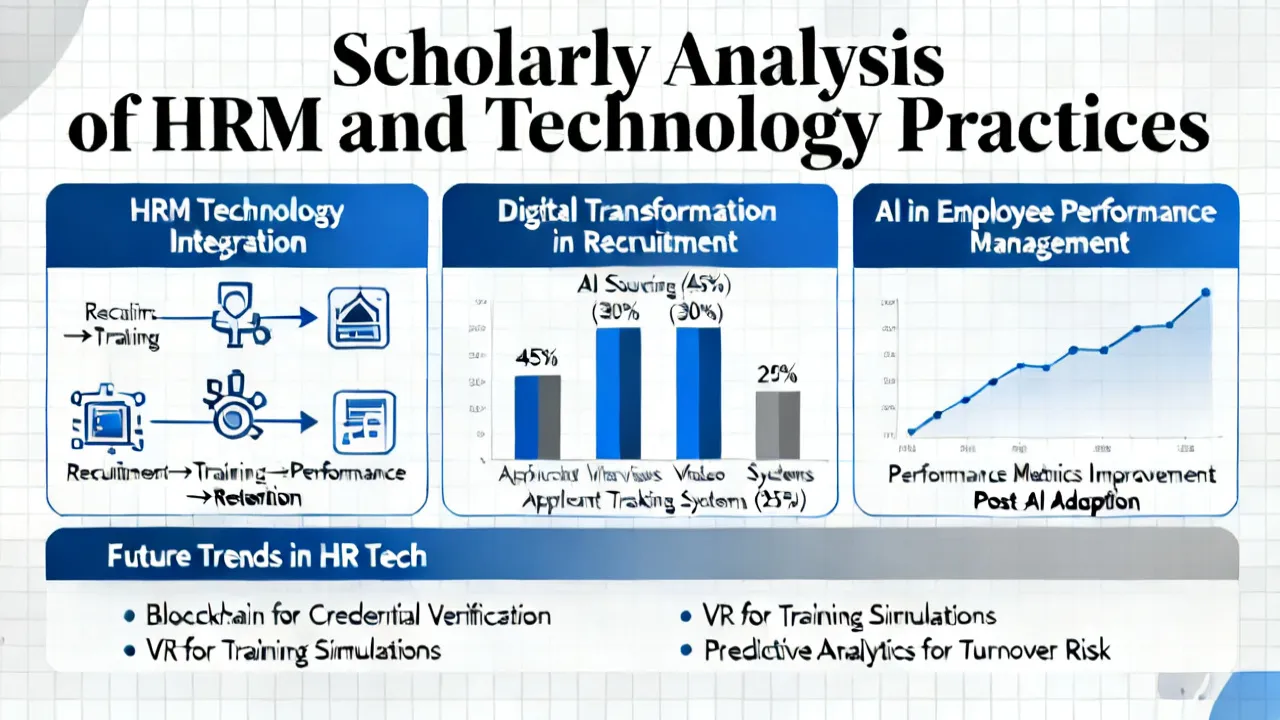
The advent of technology has significantly transformed Human Resource Management (HRM) practices. In today’s fast-paced business environment, organizations are recognizing the necessity of integrating innovative solutions to stay competitive. As highlighted in the influential study by Heuvel & Bondarouk (2016), modern HR departments are increasingly integrating digital solutions to enhance efficiency and productivity. This article delves into this evolving landscape, examining the impact of technology on various HR functions, and explores how these innovations are reshaping the experiences of both HR professionals and employees.
Published in 2016, the work by Heuvel & Bondarouk critically analyzes the role of technology in HRM. It presents a framework for understanding how digital tools are reshaping HR functions such as talent acquisition, performance management, and employee engagement. Among the key insights, the authors discuss the importance of aligning HR strategies with digital transformations taking place across industries. The study emphasizes the increasing reliance on data-driven decision-making within HR departments, a trend that coincides with broader industry shifts towards digital transformation.
Moreover, Heuvel & Bondarouk point out that the cultural shift within organizations plays a crucial role in the successful adoption of HR technologies. Organizations that cultivate a culture open to innovation tend to excel in leveraging these technologies compared to those that resist change. The authors suggest that HR professionals should cultivate their technological competencies to adapt to rapidly changing landscapes. These competencies not only aid in the selection and implementation of new technologies but also equip HR professionals to better guide the workforce through change.
Recruitment processes have been significantly optimized through technology. Automated candidate screening, AI-driven assessments, and digital platforms enable HR professionals to efficiently manage large volumes of applications and identify suitable candidates quicker than traditional methods. Recruitment tools like Applicant Tracking Systems (ATS) can filter applications based on predetermined criteria, drastically reducing the time spent reviewing resumes manually. This shift not only saves time but also enhances the accuracy of recruitment decisions, as algorithms can identify potential fits that may not align with traditional resumes.
Beyond efficiency, technology offers opportunities to broaden talent pools. Online recruitment platforms and social media channels allow companies to reach passive candidates who may not be actively seeking job opportunities. For instance, platforms such as LinkedIn or specialized job boards can help organizations cast a wider net. Additionally, virtual interview technologies reduce geographical limitations, allowing for seamless communication with candidates from different regions. Video interviews can be conducted efficiently, ensuring that the hiring process remains fluid and responsive.
The implications of technology extend to candidate experience as well. Applicants now expect a streamlined and user-friendly process when applying for jobs. The integration of chatbots within recruitment platforms can answer candidate queries instantly, providing real-time engagement. Furthermore, candidate experience surveys leverage technology to gather feedback on the application process, enabling organizations to continually refine and enhance their recruitment approaches. All these factors contribute to fostering a positive employer brand among prospective employees.
Technology facilitates more effective talent management by providing tools for monitoring employee performance, progression, and satisfaction. Performance appraisal software offers real-time feedback mechanisms and comprehensive analytics, enabling HR teams to tailor development programs to individual needs. With continuous performance tracking, organizations can shift from annual reviews to an ongoing dialogue that supports employee development throughout the year.
Moreover, integrated talent management systems that encompass onboarding, performance management, and learning management are emerging as essential tools for organizations. By consolidating data across different functions, these systems empower HR professionals to gain insights into workforce trends and individual employee trajectories. Organizations are now capable of identifying high-potential employees and crafting personalized career development paths based on data-driven insights.
Training and development also benefit from technology through e-learning platforms and mobile training solutions, which allow employees to progress at their own pace. By utilizing gamification and engaging content, organizations can enhance learning experiences, thus leading to higher employee satisfaction. Furthermore, analytics can be deployed to measure the effectiveness of training programs, ensuring that learning interventions yield a positive impact on performance outcomes.
Maintaining high levels of employee engagement is a critical challenge that HR faces, and digital platforms offer novel solutions. Internal social networks, mobile-friendly HR applications, and virtual communication tools create opportunities for enhanced interaction between employees and management, thus fostering a more inclusive and engaged work environment. Such digital solutions can lead to improved collaboration, knowledge sharing, and a sense of community within organizations, particularly in remote or hybrid work settings.
Employee engagement surveys conducted through digital platforms can provide real-time insights into workforce sentiment. Organizations can utilize pulse surveys at regular intervals to gauge employee satisfaction and morale. This instant feedback loop allows HR leaders to address concerns proactively rather than reactively, paving the way for a healthier workplace culture.
Moreover, recognition platforms powered by technology allow peers to acknowledge each other's contributions in real-time. By gamifying recognition, organizations can create analytics around employee efforts, leading to a more engaged workforce. The public acknowledgment of achievements can serve to motivate employees and create a culture of appreciation. These platforms also allow managers to track recognition metrics systematically, emphasizing the organization's value on employee well-being and morale.
| HR Function | Technological Application |
|---|---|
| Recruitment | AI-driven applicant tracking systems, virtual interviews, candidate experience surveys |
| Talent Management | Performance appraisal software, employee analytics, e-learning platforms |
| Employee Engagement | Internal social networks, communication apps, recognition platforms |
| Onboarding | Digital onboarding solutions, virtual orientation programs |
| HR Administration | HR information systems (HRIS), payroll automation tools |
| Workforce Analytics | Predictive analytics, employee sentiment analysis |
Despite the numerous benefits that technology brings to HRM, organizations face several challenges when implementing these innovations. One of the primary hurdles is the resistance to change among employees and management. Organizations often struggle with a culture set in traditional HR practices, and convincing employees to adopt new systems can be an uphill battle.
Furthermore, data privacy and security concerns have become increasingly prominent as HR departments begin collecting and analyzing substantial amounts of employee data. Organizations must ensure that they are compliant with relevant legislation, such as GDPR or CCPA, and that they have robust security measures in place to protect sensitive information. As HR technologies evolve, so too do the risks associated with data breaches, making vigilance in cybersecurity paramount.
Budget constraints can also limit the ability of HR departments to adopt advanced technologies. The cost associated with the purchase, implementation, and upkeep of software can strain resources, particularly for smaller organizations. As a result, HR leaders must evaluate the return on investment of HR technology solutions, ensuring that they are not only feasible but also sustainable in the long term.
Looking forward, the evolution of HRM is poised to continue with increasing integration of advanced technologies like artificial intelligence and machine learning. These developments promise to further streamline HR processes, reducing administrative burdens while enhancing strategic capacities to manage human capital effectively. Predictive analytics, for example, will enable HR teams to anticipate talent needs, manage workforce planning, and enhance employee retention strategies.
Organizations will also gravitate towards comprehensive employee experience platforms that facilitate seamless integration of various HR functions, encompassing recruitment, performance management, and engagement into a single system. These platforms can foster greater data transparency and empowerment for employees, enhancing satisfaction and productivity.
As remote and hybrid work models become more prevalent, HR technology will continue to play a pivotal role in fostering connection among distributed teams. Virtual reality experiences for training, augmented reality for onboarding, and online collaboration tools will likely take precedence, reflecting the desire for an increasingly flexible and adaptable workplace. The future of HRM lies not only in the technology itself but also in how organizations leverage that technology to create a more collaborative, inclusive, and effective workforce.
The study concentrated on the integration of technology within HRM practices, examining its impact on recruitment, talent management, and employee engagement.
By automating candidate screening and utilizing AI-driven assessments, technology enhances the efficiency and precision of recruitment processes.
Technology facilitates communication and interaction through digital platforms, thus improving engagement and inclusivity in the workplace.
Challenges include resistance to change, data privacy and security concerns, and budget constraints, all of which can impact the successful adoption of HR technologies.
Successful adoption can be achieved through change management practices, thorough training, ensuring data privacy compliance, and selecting scalable technologies that suit the organization’s needs.
Striking the Perfect Balance: Navigating Premiums and Out-of-Pocket Expenses in Senior Insurance Plans

Explore the Tranquil Bliss of Idyllic Rural Retreats

How to Make Lasting Memories at Disneyland Attractions

Affordable Phones and Plans for Seniors

Affordable Full Mouth Dental Implants Near You

Unlock the Top Kept Secrets to Finding Your Ideal Dentist for Flawless Dental Implant Results!

Discovering Springdale Estates

The Guide to Car Trading

Affordable Cell Phones Without Plans


Unveiling Grunig & Hunt's PR Models
This article explores the seminal work of Grunig & Hunt in developing models of public relations. The Grunig & Hunt models, fundamental to understanding PR theory, provide insight into the strategic approaches and methodologies utilized in the field. Each model offers a distinctive perspective on communication and engagement strategies, relevant to both academic discussions and practical applications.

Understanding Attimo Family Office
Attimo Family Office represents a new trend in wealth management services, designed to serve high-net-worth families with personalized attention and expertise. These offices provide tailored financial, investment, and lifestyle management to ensure good wealth preservation and growth. Emphasizing trust, discretion, and bespoke solutions, they cater to the distinct needs of affluent families.
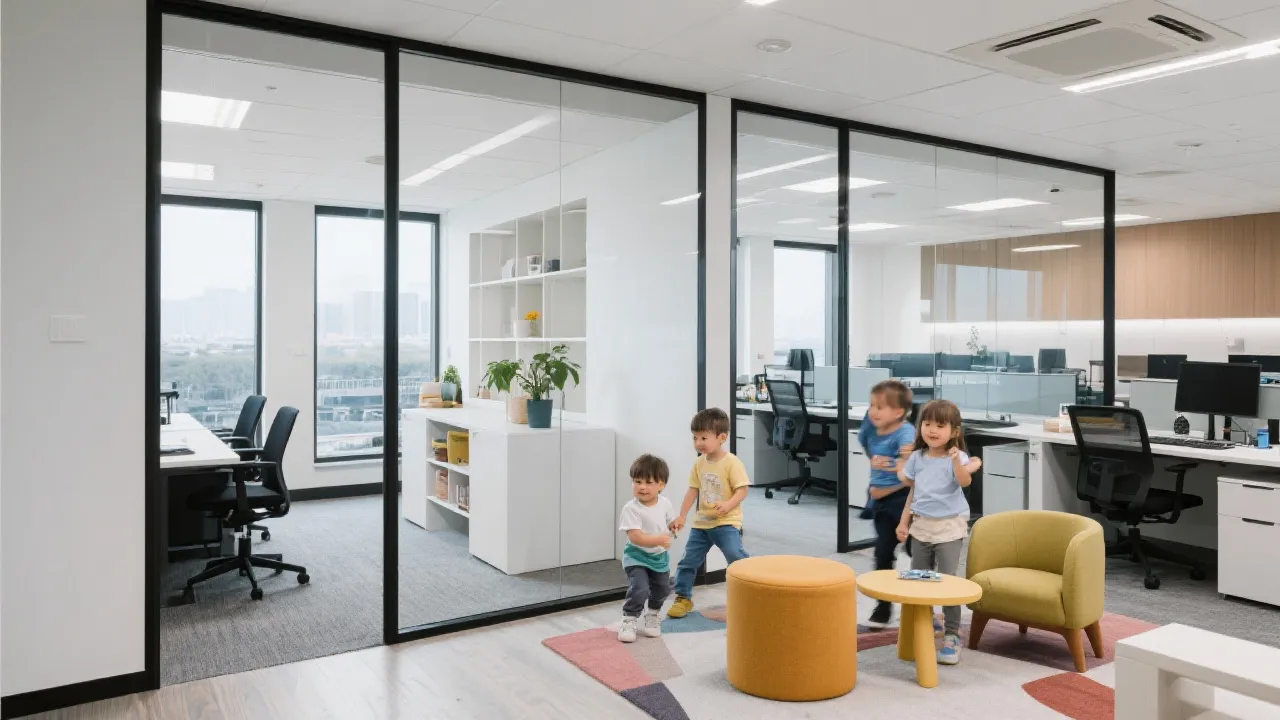
Navigating Attimo Family Office Services
Attimo Family Office is a specialized financial service provider dedicated to managing the complex financial needs of affluent families. By offering personalized advice tailored to each family's unique circumstances, they help in safeguarding wealth across generations. The concept of a family office has been increasingly embraced by high-net-worth individuals seeking tailored investment strategies, tax planning, and legacy management.
Understanding Grunig & Hunt's PR Models
This article delves into the renowned Grunig & Hunt models of public relations, highlighting their significant contribution to the field of strategic communication. Developed by James E. Grunig and Todd Hunt, these models have guided PR practitioners in understanding and executing effective public relations strategies. This guide aims to elaborate on each model, explore their application in real-world scenarios, and underscore their relevance in contemporary PR practices.

Unveiling the Optimar Rae
An in-depth exploration of the Optimar Rae, a frontrunner in seafood processing. Known for its advanced technology and efficiency, the Optimar Rae plays a pivotal role in modernizing seafood operations. This article delves into its significance, examining how it enhances productivity while maintaining environmental standards, marking a new era in maritime industry advancements.

Mastering Employee Retention Strategies
This article delves into the essential role of an Employee Retention Consultant. Employee retention is crucial for maintaining a competitive edge and fostering a positive work environment. Professional consultants help organizations in developing tailored retention strategies to reduce turnover, increase job satisfaction, and enhance overall productivity. Explore expert insights, strategies, and FAQs in employee retention.
