This article delves into the seminal work of Heuvel & Bondarouk (2016), exploring its impact on Human Resource Management (HRM) theories and practices. Heuvel and Bondarouk's research focuses on the integration of technological advancements in HRM and the evolution of e-HRM applications. As digital transformations shape the corporate landscape, understanding these frameworks is essential for strategic HR professionals.
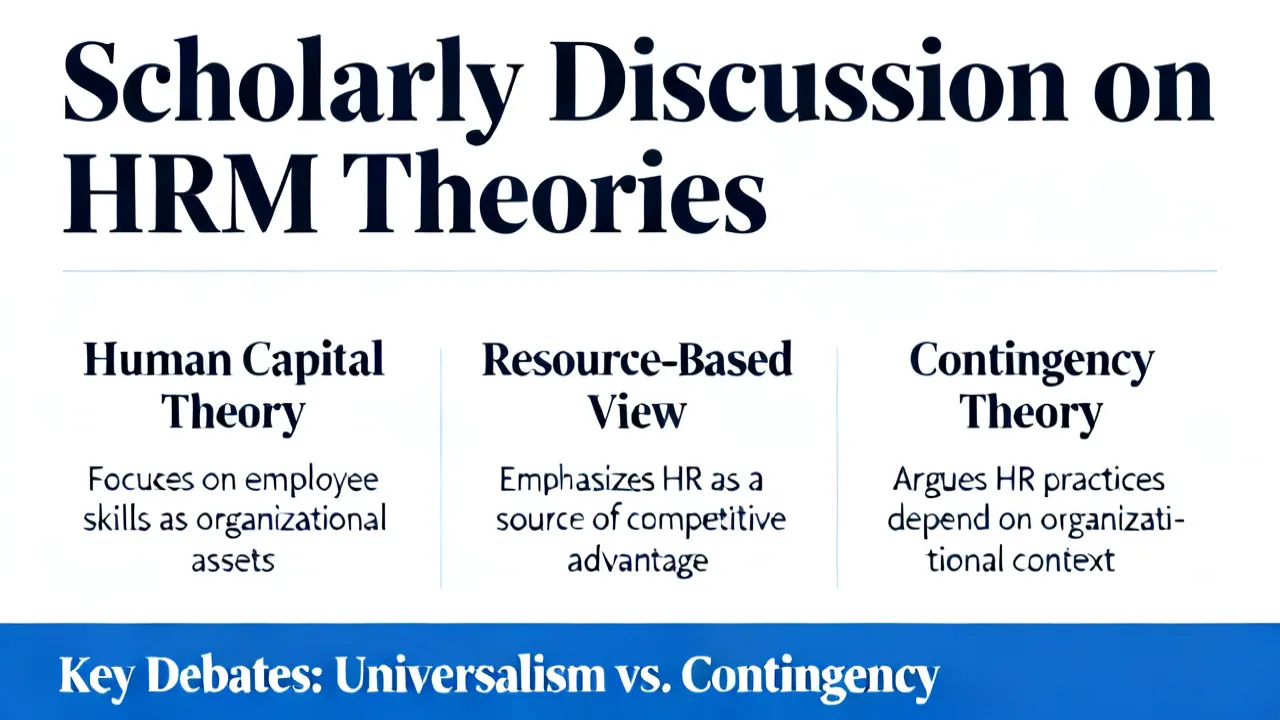
In 2016, researchers Heuvel and Bondarouk made significant contributions to the field of Human Resource Management (HRM) through their work on the integration of technology and HR practices. Their study centered on the growing importance of e-HRM applications, highlighting how technological advancements are reshaping traditional HR roles and functions. This pivotal research plays an essential role in providing contemporary HR professionals with the tools and frameworks necessary to navigate an increasingly complex operational landscape, wherein technology is not just an ancillary tool but a core component that underpins HR effectiveness.
Electronic Human Resource Management (e-HRM) represents a breakthrough in managing human resources by leveraging digital technologies encompassing a range of tools and systems. According to Heuvel and Bondarouk, e-HRM facilitates streamlined HR processes, aligns HR activities with overall business strategies, and enhances the capacity for data-driven decision-making. These technologies, including HR information systems (HRIS), applicant tracking systems (ATS), and performance management software, are increasingly adopted to improve efficiency, reduce costs, and support remote work environments, particularly in the wake of global shifts towards telecommuting during the COVID-19 pandemic.
e-HRM systems not only automate routine administrative tasks but also provide foundational data that can be used for predictive analytics, enabling organizations to anticipate workforce trends and improve their strategic initiatives. For example, with the integration of AI and machine learning in e-HRM systems, organizations can analyze employee performance data in real-time, allowing for proactive talent management strategies.
Moreover, e-HRM systems facilitate better communication and collaboration across departments and geographic boundaries, enhancing transparency and alignment within the organization. In an era where information is abundant and fast-paced, having the right digital tools also empowers HR leaders to respond more swiftly to business needs and challenges.
The shift towards technology in HR, as documented by Heuvel & Bondarouk (2016), underscores the transformation of HR practices from purely administrative functions to strategic business partnerships focused on enhancing organizational performance. Technologies such as cloud computing, big data analytics, and mobile applications allow HR professionals to focus more on strategic initiatives, like talent development and succession planning, rather than administrative tasks. This evolution has marked a departure from traditional models, which often relegated HR to a support role rather than granting it a seat at the executive table.
For instance, cloud-based HR solutions enable organizations to implement automated workflows that significantly reduce hiring time and improve the candidate experience. By integrating automated communication tools, candidates receive timely feedback throughout the recruitment process, which in turn enhances the employer brand.
Additionally, the growing use of big data in HR is transforming how organizations manage talent. With access to comprehensive analytics, HR professionals can gauge employee engagement levels, predict turnover rates, and assess the effectiveness of training programs with unprecedented accuracy. This data-driven approach allows for more informed decision-making processes, ensuring that strategic goals are not only met but exceeded.
Heuvel and Bondarouk argue that effective e-HRM integration demands a thoughtful balance between technology and human capital. The advent of e-HRM systems has undoubtedly paved the way for more efficient HR processes; however, successful implementation requires HR professionals to possess both technical expertise and interpersonal skills. Organizations must prioritize training and development to bridge potential skill gaps in e-HRM platforms.
The integration of e-HRM systems is not merely about flipping a switch; it entails a holistic approach that encompasses change management practices. To reduce resistance from employees accustomed to traditional methods, organizations should adopt a change management strategy that involves clear communication about the benefits of e-HRM, thorough training programs, and feedback mechanisms to address concerns and adapt to employee needs.
For example, including employees in the decision-making process when selecting e-HRM platforms can foster a sense of ownership and reduce pushback. Engaging employees through focus groups and surveys before implementation creates an opportunity for buy-in and cultivates an environment that embraces innovation rather than fearing it.
Benefits: A well-implemented e-HRM system enables organizations to track employee data effectively, streamline recruitment processes, and facilitate better performance management. It also permits more flexible, employee-centric work models. Moreover, organizations can capitalize on demographic diversity through targeted e-HRM tools that can accommodate varying employee needs across different geographical regions. E-HRM systems empower organizations to support remote workers with necessary tools and resources, thereby improving work-life balance and reducing attrition.
Additionally, the strategic use of e-HRM allows organizations to build stronger employer branding. By offering a transparent recruitment process, employee self-service options, and continuous feedback mechanisms, companies can enhance employee retention and attract top talent. The capacity to analyze recruitment metrics in real-time enables HR teams to optimize their approaches continuously, ensuring they remain competitive in the employment landscape.
Challenges: However, these systems come with challenges, including data privacy concerns that have become increasingly significant in light of global data regulations such as GDPR. The mishandling of employee data can result in severe legal implications and a loss of trust among employees. Potential resistance from employees accustomed to traditional methods poses another challenge, as people may be reluctant to adapt to new technologies they perceive as impersonal or ineffective.
The need for continuous updates and maintenance further complicates the implementation of e-HRM systems. Organizations must invest not only in the initial setup of e-HRM but also in ongoing training and resources to ensure that the platforms remain relevant and effective. Failure to do so can lead to technology becoming obsolete or disengaging employees rather than serving its intended purpose.
Training is also a critical component to ensure that all users can effectively leverage e-HRM systems. Providing ongoing training sessions and resources will not only help employees gain comfort with the tools but also strengthen communication channels, ultimately leading to enhanced usage rates. This emphasis on development fosters a culture of continuous learning, essential in fostering agility as the HR landscape continues to evolve.
Heuvel & Bondarouk's 2016 study remains a cornerstone for understanding the trajectory of HRM in the digital age. As businesses increasingly adopt technological solutions, grasping the concepts outlined by these researchers becomes ever more crucial for HR professionals aiming to enhance their strategic impact. Effective integration of e-HRM not only optimizes daily HR functions but also enables organizations to adapt to the rapidly changing market conditions dictated by technological advancement.
Adapting these insights can ensure that organizations not only keep pace with technological advancements but also harness them to foster innovation and productivity. HR leaders who embrace e-HRM tools and understand the balance between technology and human-centric practices position their organizations for sustainable growth. As the workforce continues to evolve, integrating learning and development with cutting-edge technology will empower HR professionals to create an agile workforce equipped for the future. The successful application of e-HRM principles is pivotal in maintaining a competitive edge in an increasingly interconnected world.
Ultimately, the future of Human Resource Management rests on the ability to forge a symbiotic relationship between human capital and technology. As explored in Heuvel & Bondarouk's work, the willingness to adapt, learn, and innovate will define HR's role in the coming years, ensuring that it remains not just a reactive but a proactive agent of change within organizations.
Striking the Perfect Balance: Navigating Premiums and Out-of-Pocket Expenses in Senior Insurance Plans

Explore the Tranquil Bliss of Idyllic Rural Retreats

How to Make Lasting Memories at Disneyland Attractions

Affordable Phones and Plans for Seniors

Affordable Full Mouth Dental Implants Near You

Unlock the Top Kept Secrets to Finding Your Ideal Dentist for Flawless Dental Implant Results!

Discovering Springdale Estates

The Guide to Car Trading

Affordable Cell Phones Without Plans

Unveiling Grunig & Hunt's PR Models
This article explores the seminal work of Grunig & Hunt in developing models of public relations. The Grunig & Hunt models, fundamental to understanding PR theory, provide insight into the strategic approaches and methodologies utilized in the field. Each model offers a distinctive perspective on communication and engagement strategies, relevant to both academic discussions and practical applications.

Understanding Attimo Family Office
Attimo Family Office represents a new trend in wealth management services, designed to serve high-net-worth families with personalized attention and expertise. These offices provide tailored financial, investment, and lifestyle management to ensure good wealth preservation and growth. Emphasizing trust, discretion, and bespoke solutions, they cater to the distinct needs of affluent families.

Navigating Attimo Family Office Services
Attimo Family Office is a specialized financial service provider dedicated to managing the complex financial needs of affluent families. By offering personalized advice tailored to each family's unique circumstances, they help in safeguarding wealth across generations. The concept of a family office has been increasingly embraced by high-net-worth individuals seeking tailored investment strategies, tax planning, and legacy management.
Understanding Grunig & Hunt's PR Models
This article delves into the renowned Grunig & Hunt models of public relations, highlighting their significant contribution to the field of strategic communication. Developed by James E. Grunig and Todd Hunt, these models have guided PR practitioners in understanding and executing effective public relations strategies. This guide aims to elaborate on each model, explore their application in real-world scenarios, and underscore their relevance in contemporary PR practices.

Unveiling the Optimar Rae
An in-depth exploration of the Optimar Rae, a frontrunner in seafood processing. Known for its advanced technology and efficiency, the Optimar Rae plays a pivotal role in modernizing seafood operations. This article delves into its significance, examining how it enhances productivity while maintaining environmental standards, marking a new era in maritime industry advancements.

Mastering Employee Retention Strategies
This article delves into the essential role of an Employee Retention Consultant. Employee retention is crucial for maintaining a competitive edge and fostering a positive work environment. Professional consultants help organizations in developing tailored retention strategies to reduce turnover, increase job satisfaction, and enhance overall productivity. Explore expert insights, strategies, and FAQs in employee retention.
