Analyzing HR management theories, this article delves into Heuvel & Bondarouk's 2016 study, highlighting its significance in human resource development. The research extensively explores the intersection of technological advancements and employee management strategies, emphasizing the impact of digital transformation on traditional HR practices.
Heuvel & Bondarouk's 2016 research is a significant contribution to the field of Human Resources, exploring how technology reshapes HR dynamics. Their study analyzes the effects of digital tools on employee engagement, talent management, and organizational strategies, providing a blueprint for modern HR practices. The advent of technology in HR does not just represent a transition; it signifies an evolution that seeks to address the new challenges and opportunities presented by our increasingly digital world. The analysis they provide illustrates not merely the 'what' of these changes but, importantly, the 'how' and 'why' behind them, ensuring that organizations can navigate this landscape with informed foresight.
The increasing influence of technology across industries has prompted HR departments to adapt and evolve. Heuvel & Bondarouk's study focuses on understanding these transformations within HR management processes and strategies. The context of their research stems from a global movement towards digitalization, where organizations are compelled to rethink traditional practices and explore innovative solutions to enhance efficiency and employee satisfaction. By doing so, they provide a framework that organizations can leverage to enhance employee engagement and talent retention amidst rapidly changing technological landscapes.
In an era characterized by fierce competition for top talent, organizations are investing unprecedented resources to modernize their HR practices. This modernization is often driven by the exponential growth of digital technologies, which have fundamentally altered how businesses function, communicate, and engage with their workforce and stakeholders. Heuvel & Bondarouk situate their findings within this broader narrative of organizational change, underscoring the importance of technological integration in HR. They emphasize that understanding technology's role goes beyond merely adopting tools; it involves a re-examination of the HR function and a shift in organizational culture. This adds another layer of complexity to the transformation that businesses must navigate.
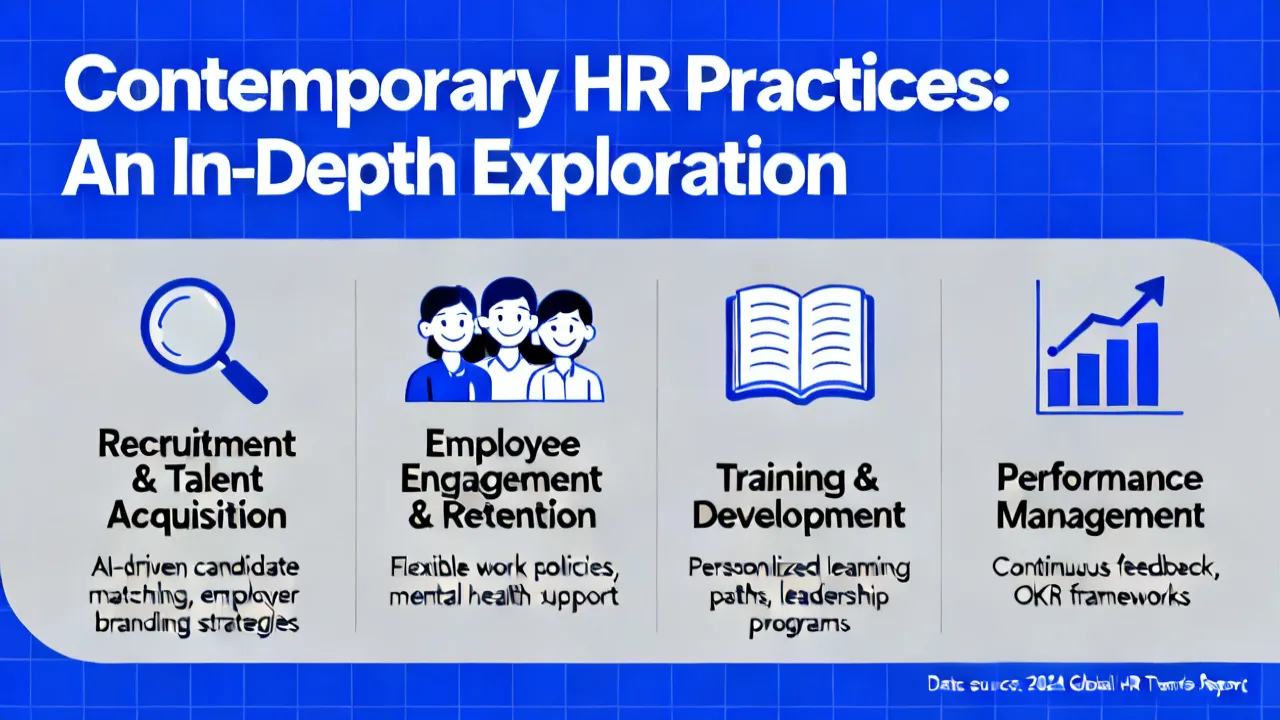
The research highlights several core areas where digital transformation is impacting HR practices:
Understanding the integration of technology in HR is essential for businesses aiming to remain competitive. Heuvel & Bondarouk's research provides organizations with insights on leveraging digital resources to optimize HR functions, improve internal communication, and enhance overall organizational health. Adoption of these insights can take many forms, including transitioning to cloud-based HR systems, utilizing mobile applications for employee engagement, and embracing social media platforms for recruitment and brand building. Each application embodies a step towards modernizing HR practices and enhancing the employee experience.
Moreover, organizations can learn to foster a culture of continuous improvement by aligning their HR objectives with broader business goals. This alignment can be facilitated through feedback loops powered by technology, enabling organizations to adjust HR strategies in response to dynamic market conditions and employee needs. For instance, implementing pulse surveys via digital platforms can provide real-time insights into employee sentiment, enabling proactive measures to be taken before issues escalate. Ultimately, the practical implications of Heuvel & Bondarouk's findings encompass not only the internal processes of HR but also how these processes interact with external market conditions and trends.
It's also crucial for organizations to consider the ethical implications of technology in HR practices, especially when it comes to data collection and employee privacy concerns. As organizations increasingly rely on data-driven methodologies, they must balance these benefits against the need for transparency and ethical responsibility. This includes implementing robust data protection measures and ensuring that employees understand how their data is collected, stored, and utilized. Therefore, while leveraging technology offers a competitive edge, organizations must do so with a careful consideration of the ethical landscape in which they operate.
| Aspect | Traditional HR | Modern HR (Heuvel & Bondarouk) |
|---|---|---|
| Task Management | Manual processes | Automated systems |
| Employee Engagement | Annual reviews | Continuous feedback using digital platforms |
| Data Utilization | Limited data usage | Advanced analytics and predictive insights |
| Recruitment Processes | Standardized methods | AI-driven talent sourcing |
| Learning and Development | In-person training | Online learning and personalized development tracks |
This comparison highlights how modern HR, as illustrated in Heuvel & Bondarouk's research, leverages technology to enhance efficiency and effectiveness across multiple facets of HR management. Organizations that successfully navigate this transition to modern HR practices often witness a marked improvement in their overall performance and employee satisfaction.
The ongoing digital revolution offers both challenges and opportunities for HR professionals. Heuvel & Bondarouk's 2016 study serves as a crucial resource for understanding how digital tools can redefine HR strategies and practices. By appreciating these changes, organizations can create more dynamic, efficient, and engaging work environments capable of adapting to future innovations. It is imperative for businesses to not only adopt new technologies but also embrace a cultural shift that aligns with their use. This means fostering a growth mindset where learning and adaptation are prioritized. Additionally, organizations should encourage collaboration between IT and HR departments to ensure technology implementations reflect the specific needs of the workforce.
As we look to the future of HR, the integration of technology will undoubtedly continue to evolve. Emerging technologies such as artificial intelligence, machine learning, and big data analytics will further push the boundaries of traditional HR practices. Organizations must remain agile, continuously re-evaluating their strategies to incorporate new tools and methodologies that promote an engaged workforce and enhanced performance. The insights offered by Heuvel & Bondarouk serve as a guiding compass for navigating these uncharted waters in the burgeoning field of Human Resources.
The study primarily focuses on the integration of digital tools and technology within Human Resource practices, analyzing how these elements can enhance or redefine traditional HR processes. It examines the implications of technology for employee engagement, performance management, and the overall strategic role of HR in organizations. By dissecting the various aspects of digital transformation in HR, the research offers evidence-based insights that organizations can utilize to modernize their practices effectively.
Technological integration is crucial in HR as it streamlines administrative tasks, enhances communication, enables data-driven decision-making, and ultimately improves employee engagement and organizational effectiveness. As organizations face increasing pressure to remain competitive and agile, leveraging technology becomes a necessity rather than an option. Moreover, modern employees expect seamless digital experiences in the workplace, and organizations that meet these expectations are more likely to attract and retain top talent. Consequently, integrating technology in HR serves to align workforce capabilities with market demands, bolstering an organization’s overall competitiveness.
Organizations can apply these findings by adopting digital tools to automate tasks, enhance internal communications, and utilize data analytics for informed decision-making in HR processes. For example, implementing a cloud-based HR management system can centralize employee data, making it easier to track performance metrics and facilitate training initiatives. Additionally, investing in digital platforms for employee feedback can establish a culture of open communication and continuous improvement. By embracing these strategies, organizations can foster a more engaged, productive, and innovative workforce, ultimately driving business success. It is also beneficial for organizations to continuously monitor industry trends and adapt their HR practices accordingly, ensuring that they remain at the forefront of the digital transformation in HR.
Organizations may face several challenges when integrating technology into HR, including resistance to change from employees and leadership, data privacy concerns, and the need for staff training and support. Change management becomes critical as employees may feel uncertain or threatened by new technologies that could alter their job roles. Additionally, without proper data management and security protocols, organizations risk potential breaches of sensitive employee information, which can lead to legal ramifications and damage to the company's reputation. Moreover, a lack of training can hinder the successful implementation of new systems, resulting in underutilization of technology and wasted resources. To overcome these challenges, organizations should prioritize change management strategies and create a supportive environment that encourages innovation while addressing any concerns proactively.
Striking the Perfect Balance: Navigating Premiums and Out-of-Pocket Expenses in Senior Insurance Plans

Explore the Tranquil Bliss of Idyllic Rural Retreats

How to Make Lasting Memories at Disneyland Attractions

Affordable Phones and Plans for Seniors

Affordable Full Mouth Dental Implants Near You

Unlock the Top Kept Secrets to Finding Your Ideal Dentist for Flawless Dental Implant Results!

Discovering Springdale Estates

The Guide to Car Trading

Affordable Cell Phones Without Plans


Understanding Compliance and AML Strategies
This article delves into the intricate realm of Compliance and Anti-Money Laundering (AML) strategies, highlighting their significance in the corporate world. Compliance AML refers to the organizational adherence to legal standards and regulations to deter financial crimes, ensuring transparent and ethical financial practices. This comprehensive guide examines these strategies' complexities and their pivotal role in safeguarding economic integrity.

Exploring B2B MBA Opportunities
Dive into the dynamic world of B2B MBA programs, designed for professionals seeking to enhance their strategic and management skills in a business-to-business context. This comprehensive guide discusses the significance of B2B MBAs in today's market, highlighting how these programs equip leaders with the expertise to navigate complex B2B relationships and drive business success.

Understanding Whitewater Regenerative Blowers
Whitewater Regenerative Blowers are essential in various industrial applications for their efficiency in moving air and gases. These blowers are known for their durability and ability to operate continuously, making them a preferred choice for industries ranging from wastewater treatment to aquaculture. This article explores their features, benefits, and applications, offering readers a comprehensive understanding of their importance in modern industry.

Mastering Employee Retention Strategies
Employee retention has become a critical aspect of organizational success, particularly in the dynamic landscape of 2020. As businesses strive to maintain a stable and productive workforce, understanding effective retention strategies is essential. This article delves into key methods for enhancing employee satisfaction and retention, offering a comprehensive guide for HR professionals and business leaders alike.

Discover the Allure of Splendys
Splendys stands as a beacon of innovation and style within the consumer goods sector. Known for their commitment to quality and style, Splendys products range from luxury apparel to sophisticated home decor with a modern twist. Their unique offerings cater to discerning customers seeking both function and aesthetics, positioning Splendys at the forefront of contemporary design excellence.

Understanding Headhunter Ti Services
This guide delves into the role and effectiveness of Headhunter Ti in the recruitment industry. Headhunters are specialized recruitment professionals who seek out top talent for specific job roles, often for high-level or specialized positions. This article provides an in-depth analysis of how Headhunter Ti operates, its benefits to organizations, and what candidates can expect when engaging with such services.
