This article delves into insights from Heuvel & Bondarouk's 2016 research on human resource management. It provides an in-depth analysis of how HR technology influences organizational performance and evaluates the evolving roles and transformative strategies in HRM. Through expert perspectives, the article discusses essential elements, referencing industry expertise to guide practical applications in contemporary business environments.
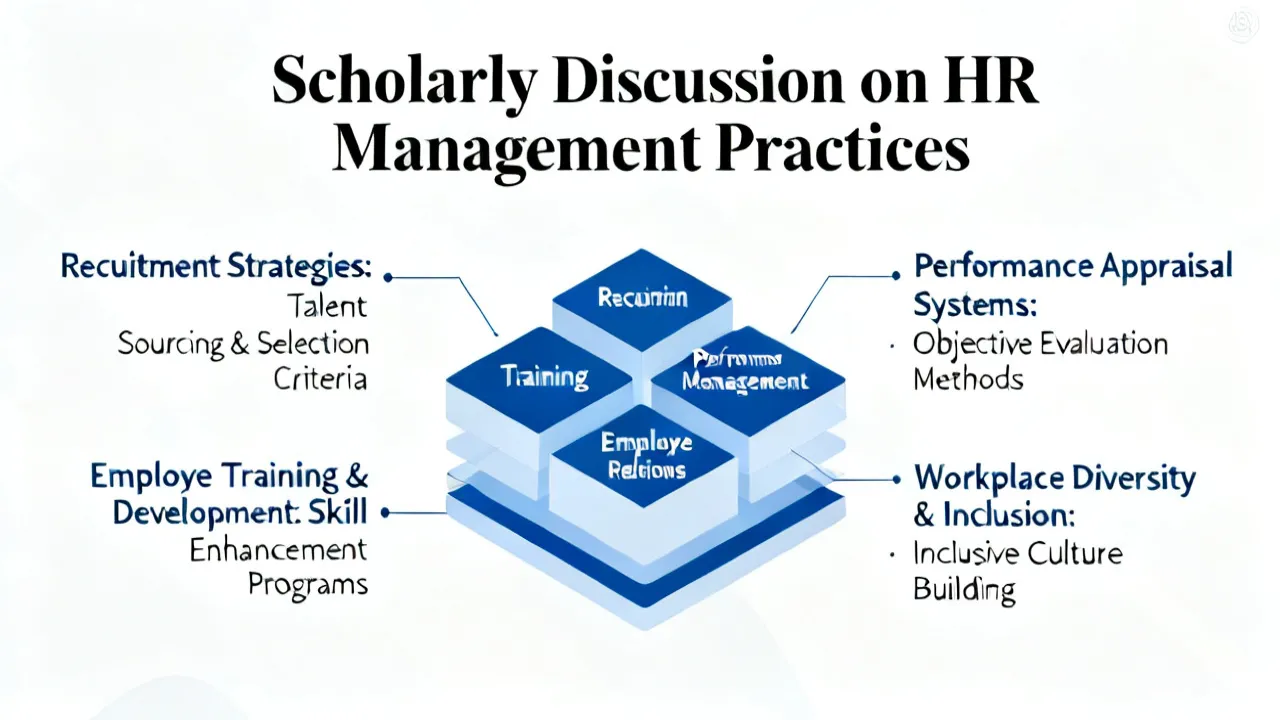
Human Resource Management (HRM) is a critical component in shaping organizational success. The research by Heuvel & Bondarouk in 2016 has been pivotal in promoting advanced understanding of how HR technology aligns with organizational strategies. The study provides a comprehensive analysis of emerging trends that influence HR practices, emphasizing the role of technology in transforming traditional HRM to meet modern demands. As companies navigate the complexities of the global market, HRM's importance continues to grow, underscoring the necessity for organizations to adapt their approaches and integrate innovative practices into their operational frameworks.
One of the key findings from Heuvel & Bondarouk's work is the significant impact of integrating HR technology within organizational frameworks. Their study illustrates that technology is not just a tool but an enabler of innovative HR practices that can lead to enhanced productivity and better resource management. By employing data analytics, companies can make informed decisions regarding talent management and workforce planning, adapting their strategies to the changing business landscape effectively.
Moreover, the technologies available today are not limited to mere automation of processes; they carry the potential for truly transformative applications, allowing HR departments to manage functions such as performance tracking, employee engagement, and talent acquisition with unprecedented efficiency. For example, the use of Artificial Intelligence (AI) in recruitment processes helps filter candidates through resume parsing and psychometric evaluations, allowing HR departments to focus on higher-level decision-making rather than administrative tasks. Applications such as these illustrate a marked shift toward leveraging technology to enhance not just productivity but also the overall employee experience.
As the scope of HRM expands, professionals in the field are expected to undertake multifaceted roles that extend beyond traditional responsibilities. According to Heuvel & Bondarouk, HR practitioners are now required to act as strategic partners, change agents, and skilled negotiators. These roles necessitate a deep understanding of both organizational dynamics and employee expectations, both of which are essential for devising strategies that foster a productive work environment.
Strategic partnership implies a closer alignment of HR initiatives with the organization’s overarching business strategies, requiring HR professionals to develop competencies in strategic thinking, data analytics, and leadership. To act as change agents, HR must advocate for and implement organizational changes that enhance performance and drive culture shifts, establishing a more agile workforce. Managing negotiations effectively, especially during conflicts or discussions about employee contracts, highlights the need for HR professionals to possess strong interpersonal and communication skills that serve to bridge gaps between employees and management.
Heuvel & Bondarouk identified several transformative strategies that organizations can adopt to leverage HRM for competitive advantage. These include implementing flexible work arrangements, fostering a culture of continuous learning, and promoting diversity and inclusion. By prioritizing these elements, businesses can not only attract top talent but also retain a motivated workforce that is aligned with the company’s core values and strategic goals.
Flexible work arrangements, particularly in light of the post-COVID-19 landscape, have significantly altered employee expectations. Organizations that provide remote work options and flexible schedules often see higher levels of employee satisfaction and retention. Adopting a continuous learning culture means instilling an ethos in which employees feel empowered to pursue professional development opportunities actively, thereby enhancing their skills and advancing their careers. Furthermore, organizations that take active steps to promote diversity and inclusion not only meet societal expectations but also benefit from a broader range of perspectives and ideas, which is vital for innovation and creativity in today’s fast-paced market.
| Aspect | Traditional HRM | Modern HRM |
|---|---|---|
| Role Focus | Administrative and operational | Strategic and developmental |
| Technology Usage | Limited to basic payroll and record-keeping | Advanced analytics and integrated HR systems |
| Employee Engagement | Periodic assessments | Continuous feedback and engagement initiatives |
| Work Structure | Rigid job roles | Flexible and adaptable roles |
To implement strategic HR practices effectively, organizations should consider the following step-by-step guide:
The shift from traditional to modern HR practices is not without its challenges. For HR professionals navigating this landscape, several obstacles may arise, including resistance to change among employees, the rapid pace of technological advancements, and ensuring compliance with evolving legal standards regarding labor and employment.
Resistance to change can often stem from employees’ comfort with established routines that are suddenly disrupted. HR must cultivate an environment that embraces change as a positive factor, emphasizing the benefits of new HR initiatives and technology. Additionally, as technology continues to evolve, staying ahead of the curve and investing in the appropriate tools becomes imperative. HR must continuously update their skills and knowledge, balancing the demands of everyday operations with the need for strategic foresight.
Furthermore, compliance issues can vary widely from one company to another, particularly as laws surrounding data protection and labor rights shift. HR professionals must remain vigilant and informed to ensure their practices meet legal requirements while also advocating for ethical standards that protect employees’ rights. Creating a compliance dashboard can help organizations track changes in regulations and adjust their strategies accordingly.
The future landscape of HRM promises to be shaped by emerging trends that will further redefine the role of HR practitioners. Notably, artificial intelligence (AI) and machine learning (ML) are set to play increasingly significant roles in recruitment, employee engagement, and learning and development. By leveraging AI algorithms, organizations can better assess candidate fit and reduce bias in the hiring process, ultimately leading to diverse and competent teams. Additionally, predictive analytics can aid in identifying potential employee turnover before it happens, allowing for proactive measures to retain talent.
Moreover, the shift towards a more holistic understanding of employee well-being will likely drive HR strategies in coming years. Well-being encompasses not just physical health but also mental and emotional wellness, necessitating support systems like Employee Assistance Programs (EAPs), wellness initiatives, and mental health days. Increasingly, organizations are recognizing the connection between employee well-being and organizational productivity, leading to more comprehensive approaches to employee benefits and workplace culture.
Lastly, the focus on sustainability and corporate social responsibility is expected to influence HR practices. Companies that prioritize sustainable HR practices, such as eco-friendly initiatives or policies that promote work-life balance, will appeal to employees who value corporate responsibility. Being perceived as a socially responsible employer can enhance an organization’s reputation, aiding in attraction and retention of talent.
Q: How does HR technology impact organizational performance?
A: HR technology streamlines processes, enhances decision-making, and allows for better management of talent, which collectively contribute to improved organizational performance. Through advanced analytics and reporting tools, HR professionals can derive meaningful insights that drive strategic initiatives and directly impact business outcomes.
Q: What are the evolving roles of HR professionals?
A: HR professionals are now expected to act as strategic partners, change agents, and skilled negotiators, focusing on driving organizational success through innovative strategies. This evolution requires them to be knowledgeable not only about human resources but also about the overall business landscape and how HR fits into the broader organizational strategy.
Q: Why is fostering an inclusive workplace important in HRM?
A: An inclusive workplace promotes diversity of thought, enhances creativity, improves employee satisfaction, and aligns with modern business ethics, driving better results. Inclusivity leads to a greater variety of perspectives, resulting in innovation and solutions that reflect a wider range of customer needs.
Q: How can organizations implement transformative HR strategies?
A: Organizations can implement transformative strategies by aligning HR goals with business objectives, investing in technology, promoting employee development, and fostering an inclusive culture. Engagement from leadership and adequate change management are crucial to ensure successful implementation of these strategies.
The landscape of Human Resource Management is rapidly transforming in response to technological advancements, evolving workplace cultures, and shifting employee expectations. As highlighted by Heuvel & Bondarouk's research, the integration of technology not only streamlines HR functions but also empowers HR professionals to take on more strategic and impactful roles. The transition from traditional HR practices to modern, data-driven approaches presents both challenges and immense opportunities for organizations looking to thrive in today's competitive environment.
Emphasizing flexible work arrangements, continuous learning, and diversity will not only attract talent but also foster a more engaged and loyal workforce. As organizations navigate this transition, the need to remain adaptable and forward-thinking is imperative to not only respond to the emerging needs of the workplace but also shape a bright future for organizational success. By embracing change and leveraging innovative HR practices, organizations can position themselves as leaders in their industries while cultivating an enriching workplace for all employees.
Striking the Perfect Balance: Navigating Premiums and Out-of-Pocket Expenses in Senior Insurance Plans

Explore the Tranquil Bliss of Idyllic Rural Retreats

How to Make Lasting Memories at Disneyland Attractions

Affordable Phones and Plans for Seniors

Affordable Full Mouth Dental Implants Near You

Unlock the Top Kept Secrets to Finding Your Ideal Dentist for Flawless Dental Implant Results!

Discovering Springdale Estates

The Guide to Car Trading

Affordable Cell Phones Without Plans


Understanding Compliance and AML Strategies
This article delves into the intricate realm of Compliance and Anti-Money Laundering (AML) strategies, highlighting their significance in the corporate world. Compliance AML refers to the organizational adherence to legal standards and regulations to deter financial crimes, ensuring transparent and ethical financial practices. This comprehensive guide examines these strategies' complexities and their pivotal role in safeguarding economic integrity.

Exploring B2B MBA Opportunities
Dive into the dynamic world of B2B MBA programs, designed for professionals seeking to enhance their strategic and management skills in a business-to-business context. This comprehensive guide discusses the significance of B2B MBAs in today's market, highlighting how these programs equip leaders with the expertise to navigate complex B2B relationships and drive business success.

Understanding Whitewater Regenerative Blowers
Whitewater Regenerative Blowers are essential in various industrial applications for their efficiency in moving air and gases. These blowers are known for their durability and ability to operate continuously, making them a preferred choice for industries ranging from wastewater treatment to aquaculture. This article explores their features, benefits, and applications, offering readers a comprehensive understanding of their importance in modern industry.

Mastering Employee Retention Strategies
Employee retention has become a critical aspect of organizational success, particularly in the dynamic landscape of 2020. As businesses strive to maintain a stable and productive workforce, understanding effective retention strategies is essential. This article delves into key methods for enhancing employee satisfaction and retention, offering a comprehensive guide for HR professionals and business leaders alike.

Discover the Allure of Splendys
Splendys stands as a beacon of innovation and style within the consumer goods sector. Known for their commitment to quality and style, Splendys products range from luxury apparel to sophisticated home decor with a modern twist. Their unique offerings cater to discerning customers seeking both function and aesthetics, positioning Splendys at the forefront of contemporary design excellence.

Understanding Headhunter Ti Services
This guide delves into the role and effectiveness of Headhunter Ti in the recruitment industry. Headhunters are specialized recruitment professionals who seek out top talent for specific job roles, often for high-level or specialized positions. This article provides an in-depth analysis of how Headhunter Ti operates, its benefits to organizations, and what candidates can expect when engaging with such services.
