The 6ms Ishikawa method is a comprehensive strategy for identifying and analyzing defects and inefficiencies in manufacturing processes. Originating from Japan, this method leverages the fishbone diagram to visually dissect problems into six key categories: Man, Machine, Materials, Method, Measurement, and Mother Nature. Each 'M' addresses a specific aspect of the process, allowing organizations to systematically explore potential sources of variation and inefficiency.

The 6ms Ishikawa method, named after its Japanese creator Kaoru Ishikawa, is a cornerstone in the field of quality management and defect analysis. Renowned for its practical application, this method provides a structured approach for diagnosing issues within complex systems, particularly in manufacturing. This methodology allows organizations not only to identify defects but also to understand the underlying causes of these defects in a deeply analytical manner. By focusing on the interrelations of multiple factors, the Ishikawa method enables more effective solutions and improved operational efficiency.
The method evolved during the post-war era in Japan, a period marked by rapid industrial growth and the need for enhanced quality control. Ishikawa's innovative fishbone diagram, or cause-and-effect diagram, became a key tool in identifying potential causes of variations or defects. The introduction of this model transformed quality control practices, and heightened awareness of product quality standards amongst Japanese manufacturers. Since its inception, the Ishikawa method has gained significant traction outside of Japan, becoming integral to various industries worldwide. This historical significance is vital to understanding the method’s impact and evolution into modern-day practices.
Today, organizations worldwide implement this method to enhance their problem-solving capabilities and improve product quality. The structured approach helps in thoroughly investigating the root cause of defects or inefficiencies, providing a clear pathway to solutions. By systematically analyzing each of the six Ms, teams can identify contributing factors to quality issues more effectively than with more traditional approaches. Implementation of the 6ms Ishikawa method not only reduces defect rates but also fosters a culture of continuous improvement, driving organizations toward operational excellence.
| Aspect | 6ms Ishikawa | Other Methods |
|---|---|---|
| Focus | Systematic, comprehensive defect analysis exploring all aspects (Man, Machine, etc.) | May focus on specific areas (e.g., Six Sigma emphasizes data analysis) |
| Visualization | Utilizes the fishbone diagram for cause analysis | Varies; some methods use flowcharts, Pareto charts, etc. |
| Industry Application | Widely used in manufacturing and related sectors | Broader applications in various industries depending on the methodology |
| Implementation Complexity | Generally straightforward with clear visual aids to guide teams | Some methods may require complex statistical analyses and software tools |
| Team Collaboration | Encourages inclusive participation from diverse roles within the organization | Some methodologies may focus more on specific roles (e.g., quality analysts, engineers) |
To illustrate the effectiveness of the 6ms Ishikawa method, consider the following case studies from different industries:
An automotive manufacturer faced a spike in defects related to engine performance. Using the 6ms Ishikawa method, a cross-functional team gathered to analyze the defects. Through a fishbone diagram, they identified issues with material quality (low-grade components), method inconsistencies (improper assembly procedures), and machinery malfunctions (lack of maintenance). Each identified cause was addressed through targeted training, improved supplier standards, and a revamped maintenance schedule, leading to a significant reduction in defects over the next production quarter.
A food processing company was struggling with product spoilage during distribution. By engaging the 6ms Ishikawa diagram, the team identified several factors: inadequate refrigeration during transport (Machine), sourcing lower quality raw materials (Materials), and insufficient training on handling protocols (Man). Solutions were implemented, including advanced refrigeration technology, stricter supplier quality control, and comprehensive training programs for transport staff, considerably minimizing spoilage rates.
A hospital noticed an increase in patient wait times and dissatisfaction. Utilizing the 6ms Ishikawa method, they analyzed contributing factors like staffing levels (Man), patient flow procedures (Methods), and appointment scheduling systems (Machine). The resultant improvements involved hiring additional staff, refining patient processing protocols, and introducing advanced scheduling systems. This comprehensive treatment of the found issues led to a marked decrease in average wait times and overall improved patient care experiences.
To fully leverage the strengths of the 6ms Ishikawa method, organizations can incorporate the following best practices:
The 6ms Ishikawa method remains an invaluable tool in quality management and defect analysis. By systematically examining six key areas, organizations can uncover root causes and implement effective solutions, leading to improved productivity and product quality throughout various industries. The ongoing relevance and adaptability of the Ishikawa method reinforce its position as a go-to strategy for organizations aiming to boost their operational capabilities. Moreover, its blend of visual engagement with analytical depth fosters a culture of collaboration and continuous improvement, positioning it as a sustainable approach in ever-evolving market landscapes.
As industries evolve, so too must the methodologies that support them. The 6ms Ishikawa method is no exception and is expected to adapt further in the context of new advancements such as digital transformation, artificial intelligence, and data analytics.
The integration of digital tools and technologies can amplify the 6ms Ishikawa method's effectiveness. For instance, online collaboration platforms can facilitate brainstorming sessions across geographically dispersed teams, while software for data collection and analysis can streamline the evaluation of identified causes. Implementing machine learning algorithms may help predict potential defects by analyzing historical data trends, allowing organizations to act preemptively rather than reactively.
As global emphasis on sustainability grows, the 6ms Ishikawa method may also adapt to include environmental considerations as a seventh “M.” Including aspects such as ecological impact assessments, carbon footprints of processes, and sustainable sourcing could align organizations with broader corporate social responsibility goals. Furthermore, addressing sustainability-related challenges using the Ishikawa framework can lead to innovative practices that support both operational efficiency and environmental stewardship.
In conclusion, the 6ms Ishikawa method has not only established its foundations firmly within the realm of quality management but also harbors ample potential for future growth and adaptation. By leveraging technology and focusing on sustainability, organizations can continue to harness the power of the Ishikawa method, making strides toward excellence in their operations in a rapidly changing environment.
Striking the Perfect Balance: Navigating Premiums and Out-of-Pocket Expenses in Senior Insurance Plans

Explore the Tranquil Bliss of Idyllic Rural Retreats

How to Make Lasting Memories at Disneyland Attractions

Affordable Phones and Plans for Seniors

Affordable Full Mouth Dental Implants Near You

Unlock the Top Kept Secrets to Finding Your Ideal Dentist for Flawless Dental Implant Results!

Discovering Springdale Estates

The Guide to Car Trading

Affordable Cell Phones Without Plans


Understanding Compliance and AML Strategies
This article delves into the intricate realm of Compliance and Anti-Money Laundering (AML) strategies, highlighting their significance in the corporate world. Compliance AML refers to the organizational adherence to legal standards and regulations to deter financial crimes, ensuring transparent and ethical financial practices. This comprehensive guide examines these strategies' complexities and their pivotal role in safeguarding economic integrity.

Exploring B2B MBA Opportunities
Dive into the dynamic world of B2B MBA programs, designed for professionals seeking to enhance their strategic and management skills in a business-to-business context. This comprehensive guide discusses the significance of B2B MBAs in today's market, highlighting how these programs equip leaders with the expertise to navigate complex B2B relationships and drive business success.
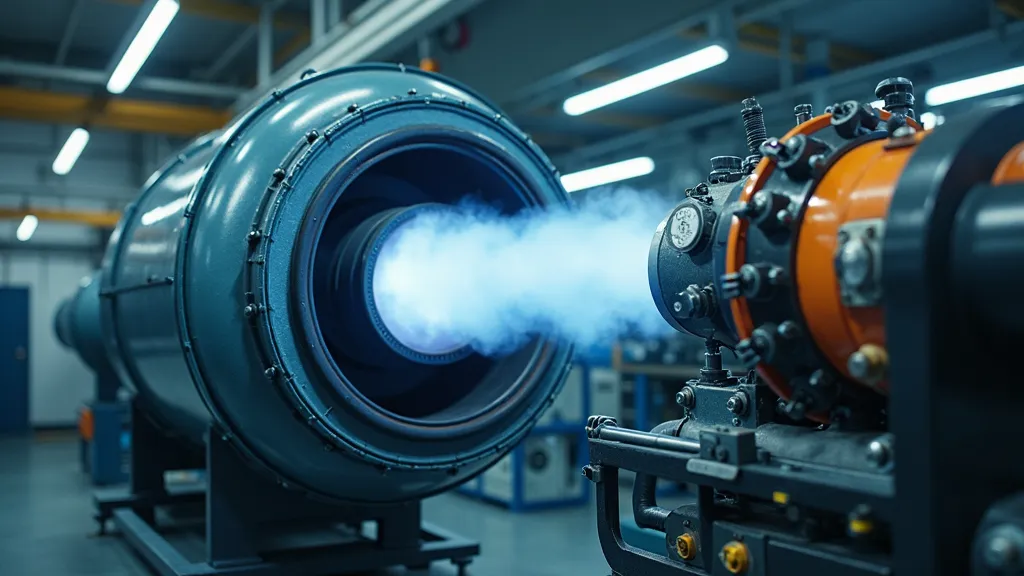
Understanding Whitewater Regenerative Blowers
Whitewater Regenerative Blowers are essential in various industrial applications for their efficiency in moving air and gases. These blowers are known for their durability and ability to operate continuously, making them a preferred choice for industries ranging from wastewater treatment to aquaculture. This article explores their features, benefits, and applications, offering readers a comprehensive understanding of their importance in modern industry.

Mastering Employee Retention Strategies
Employee retention has become a critical aspect of organizational success, particularly in the dynamic landscape of 2020. As businesses strive to maintain a stable and productive workforce, understanding effective retention strategies is essential. This article delves into key methods for enhancing employee satisfaction and retention, offering a comprehensive guide for HR professionals and business leaders alike.

Discover the Allure of Splendys
Splendys stands as a beacon of innovation and style within the consumer goods sector. Known for their commitment to quality and style, Splendys products range from luxury apparel to sophisticated home decor with a modern twist. Their unique offerings cater to discerning customers seeking both function and aesthetics, positioning Splendys at the forefront of contemporary design excellence.

Understanding Headhunter Ti Services
This guide delves into the role and effectiveness of Headhunter Ti in the recruitment industry. Headhunters are specialized recruitment professionals who seek out top talent for specific job roles, often for high-level or specialized positions. This article provides an in-depth analysis of how Headhunter Ti operates, its benefits to organizations, and what candidates can expect when engaging with such services.
