This guide delves into the multifaceted world of commodities, exploring their pivotal role in global trade and economic growth. Commodities encompass basic goods such as metals, energy, and agricultural products, serving as basic resources for more complex goods and services. Their market dynamics are influenced by supply and demand, geopolitical stability, and environmental factors.
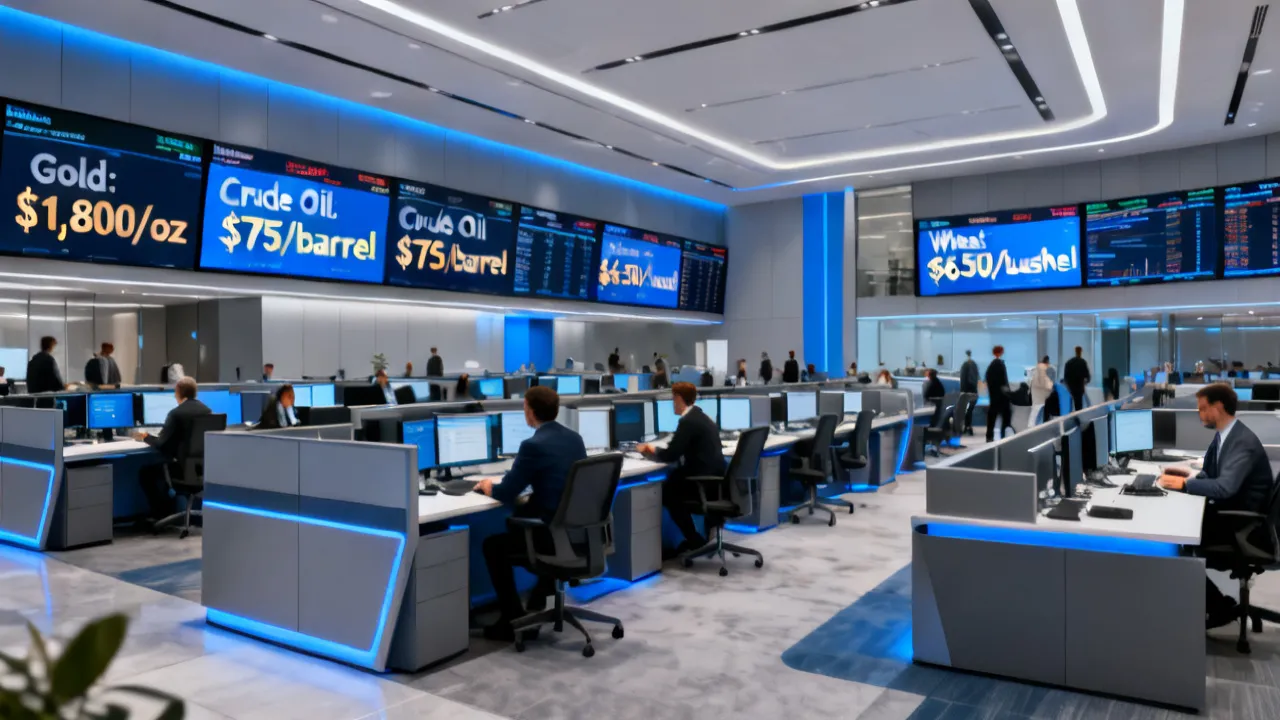
Commodities form the backbone of international trade, acting as essential ingredients in everything from industrial manufacturing to food production. By definition, a commodity is a basic good used in trade that's interchangeable with other goods of the same type. This interchangeability is a key feature distinguishing commodities from more differentiated goods like electronics or automobiles. Historically, commodities have held a vital place in the world economy, acting as a medium of exchange, a store of value, and a unit of account. They are critical for trade as they provide the raw materials needed for the production of finished goods, thereby fueling industrial growth and advancement.
Commodities generally fall into two broad categories: hard and soft. Hard commodities are natural resources that must be mined or extracted, such as gold, oil, and rubber. In contrast, soft commodities include agricultural products like wheat, coffee, and sugar, which are typically grown. Understanding these categories helps investors make informed decisions based on anticipated market trends.
Hard commodities are often used as indicators of industrial growth. Metals such as gold, silver, copper, and platinum are not only vital in industrial applications but are also considered safe-haven investments during economic uncertainty. The price of gold, for instance, often rises in times of geopolitical tension or inflation as investors seek security in tangible assets. Energy commodities such as crude oil and natural gas are critical to the operation of economies worldwide, influencing everything from transportation to power generation. The volatility of oil prices can have significant ripple effects across multiple sectors, affecting everything from airline revenues to consumer goods' prices.
Soft commodities are integral to global food supply and textile production. Grains like wheat and corn are staples in diets worldwide and act as indicators of weather and climate changes, as these can significantly influence crop yields. The 2021 global wheat shortage due to adverse weather conditions in key producing countries provides a relevant case in point. Coffee and sugar are examples of soft commodities with deep-rooted cultural and economic significance, impacting both producers' livelihoods and consumers' choices. Additionally, the demand for organic and sustainably sourced soft commodities continues to grow as consumers become more conscious of their purchasing choices. Agricultural practices and innovations, such as vertical farming and regenerative agriculture, are gaining traction as the world grapples with the effects of climate change on crops.
The price of commodities is primarily driven by supply and demand principles. However, several other factors come into play, including geopolitical events, natural disasters, and changes in government policies. Understanding these dynamics requires examining various data inputs from industry reports to environmental studies. Market analysts and traders often rely on these indicators to anticipate potential price movements and adjust their strategies accordingly. Economic trends, such as employment rates and consumer spending, also impact demand for commodities and can lead to fluctuating prices.
When supply lags behind demand, prices typically rise, potentially leading to increased investment in production or innovation for more efficient harvesting or mining. For example, the emergence of electric vehicles has significantly driven up the demand for metals like lithium and cobalt, which are crucial for battery production. Conversely, excess supply with diminishing demand can lead to price reductions, prompting organizations to pull back on production or explore new markets. The agricultural sector is particularly susceptible to this cycle, where bumper crop yields can lead to plummeting prices, which may subsequently discourage farmers from planting the following season.
Political stability in commodity-producing regions is a non-negligible factor affecting commodity prices. For example, tensions in oil-rich areas can disrupt the supply chain, causing global oil prices to spike. The ongoing conflict in the Middle East often leads to significant fluctuations in oil prices, impacting global markets. As a result, geopolitical analysis is a critical component of effective commodity trading strategies. Investors closely monitor developments in these regions, as sanctions, trade agreements, or changes in leadership can signal potential volatility in the markets. Furthermore, the rise of new players in the field, such as emerging economies, can further complicate the geopolitical landscape, introducing new regulatory environments for trade.
Environmental factors, such as climate change and resulting regulatory changes, have become increasingly pivotal in shaping commodity markets. For instance, the push for clean energy has driven significant shifts in the energy commodities market, with coal demand decreasing and renewable energy materials gaining traction. Governments worldwide are increasingly recognizing the need for sustainable practices, leading to regulations that encourage eco-friendly production and consumption measures. This shift is not only about adherence to regulations; it reflects a fundamental change in consumer demand, as more people opt for sustainable products. Moreover, agriculture is profoundly impacted by weather patterns and climate change; factors such as droughts, floods, and changing seasons heavily influence crop yields and the availability of soft commodities.
Commodity markets are diverse, including physical and derivative markets. These markets are where major players like producers, traders, and investors engage in the buying and selling of commodities. Each type of market has unique characteristics, risks, and opportunities associated with trading and investing.
In physical markets, commodities are bought and sold for immediate delivery. This can include direct sales to manufacturers or other end-users. The Chicago Board of Trade (CBOT) and the London Metal Exchange (LME) are prominent in this sector. The physical commodities market heavily relies on logistics and delivery mechanisms, requiring robust infrastructure to handle the transportation and storage of various goods. For example, corn and wheat must be properly stored to prevent spoilage, requiring sophisticated supply chain solutions to minimize losses.
These markets involve contracts based on commodities, with futures and options being the commonplace forms. These instruments allow traders to hedge against potential price fluctuations, providing a way to speculate on future price movements without requiring physical delivery. Futures contracts are agreements to buy or sell a commodity at a predetermined price on a specific date, while options give the trader the right, but not the obligation, to make a purchase. Understanding these products requires a grasp of underlying market conditions, as variables such as weather reports or economic forecasts can dramatically influence commodity prices.
Commodity investment is not limited to industry giants but is accessible to individual investors through various channels. As the commodity market becomes increasingly global and connected, individual investors have more opportunities to participate than ever before.
Investors can engage in the commodity market by buying physical commodities or investing in companies heavily affiliated with commodities. This method involves higher costs and risks but provides tangible ownership. For example, purchasing physical gold requires secure storage solutions and insurance to protect against theft or loss. Additionally, investing in mining or agricultural companies can expose investors to commodity price fluctuations without requiring direct ownership of the raw materials. This form of investment allows investors to leverage their knowledge about specific markets while hedging against failures in direct commodity ownership.
These financial products allow investors to pool their resources, enabling exposure to multiple commodities without the intricacies of direct investment. They provide a balanced risk-to-reward ratio, ideal for diversified investment portfolios. ETFs tracking commodity prices allow instantaneous trading similar to stocks and are often more liquid than direct investment strategies. Meanwhile, mutual funds provide professional management, ensuring a diversified approach without requiring in-depth market knowledge. Investors can benefit from these products' underlying assets, such as agriculture, metals, or energy, allowing greater flexibility in balancing their investment strategies.
Traders also engage in options and futures trading to capitalize on short-term fluctuations in commodity prices. Options allow traders to purchase or sell at a specified price within a predetermined time, while futures contracts lock in prices for future delivery. These financial instruments can magnify both gains and losses, making a solid understanding of the market critical. Effective strategies can help mitigate risks associated with the inherent volatility of commodity prices. Traders often adapt their strategies in response to real-time data inputs, anticipating potential price shifts based on global developments or announcements.
Commodity markets are continuously evolving. Emerging trends, such as the increasing role of technology in trading and supply chain management, promise to reshape the landscape. For example, blockchain technology is being explored as a potential solution to enhance transparency and efficiency in trades while minimizing fraud and ensuring traceability. Furthermore, sustainability considerations will likely dictate future resource exploration and consumption patterns. As consumers become conscious of their environmental impact, demand for sustainably sourced commodities will continue to grow, prompting changes in agricultural practices, energy production, and mining methods.
Moreover, advancements in sustainable agriculture technology, such as precision farming and genetically modified organisms (GMOs), are expected to influence soft commodity production. These innovations can help increase crop yields while mitigating some environmental concerns associated with traditional farming practices. In the energy sector, investments in renewable sources such as solar, wind, and hydropower are likely to accelerate, impacting the reliance on fossil fuels and, consequently, the commodities market.
Understanding the structure and dynamics of the commodities market is crucial for anyone looking to invest or trade in commodities. Three key areas to focus on include:
| Commodity Type | Characteristics | Examples |
|---|---|---|
| Hard Commodities | Mining/Extraction required | Gold, Oil, Natural Gas |
| Soft Commodities | Agricultural products | Wheat, Coffee, Sugar |
Prices are primarily dictated by supply and demand, but are also influenced by geopolitical stability, environmental factors, and technological advancements. Other critical factors include economic indicators, currency fluctuations, and market speculation.
Individuals can invest directly through physical purchases, in commodity-related stocks, ETFs, mutual funds, or derivative contracts like futures and options. Each option carries its unique risk and should align with the investor's financial goals and risk tolerance.
Environmental regulations aim to reduce the negative impact of extraction and processing on ecosystems, influencing production methods and costs significantly. Regulatory frameworks can impose limitations on resource extraction, setting standards for sustainable practices in agriculture and energy production.
Globalization has made commodity trading more interconnected, with market participants able to access real-time data and trade across borders. This increased connectivity can lead to quicker responses to market changes, but also introduces challenges such as heightened competition and potential reliance on distant supply chains.
Technology is revolutionizing commodity trading by increasing efficiency, transparency, and accessibility. Machine learning and artificial intelligence can analyze market data to predict price trends and optimize trading strategies. Additionally, advancements in blockchain technology could enhance security and traceability in transactions, thereby gaining consumer trust.
Yes, many investors consider commodities to be a hedge against inflation. As prices for goods and services rise, the value of tangible assets like gold and oil often increases, making them attractive investments during inflationary periods. Commodities typically have an inverse relationship with currency values, making them resilient in times of economic uncertainty.
Overall, commodities represent a vital sector of the global economy, providing opportunities for both investment and risk management. As market dynamics change due to technological advancements, geopolitical shifts, and environmental concerns, staying informed and adaptable will be key for stakeholders looking to navigate the challenges and capitalize on the opportunities within the commodities landscape.
Striking the Perfect Balance: Navigating Premiums and Out-of-Pocket Expenses in Senior Insurance Plans

Explore the Tranquil Bliss of Idyllic Rural Retreats

How to Make Lasting Memories at Disneyland Attractions

Affordable Phones and Plans for Seniors

Affordable Full Mouth Dental Implants Near You

Unlock the Top Kept Secrets to Finding Your Ideal Dentist for Flawless Dental Implant Results!

Discovering Springdale Estates

The Guide to Car Trading

Affordable Cell Phones Without Plans


Understanding Compliance and AML Strategies
This article delves into the intricate realm of Compliance and Anti-Money Laundering (AML) strategies, highlighting their significance in the corporate world. Compliance AML refers to the organizational adherence to legal standards and regulations to deter financial crimes, ensuring transparent and ethical financial practices. This comprehensive guide examines these strategies' complexities and their pivotal role in safeguarding economic integrity.

Exploring B2B MBA Opportunities
Dive into the dynamic world of B2B MBA programs, designed for professionals seeking to enhance their strategic and management skills in a business-to-business context. This comprehensive guide discusses the significance of B2B MBAs in today's market, highlighting how these programs equip leaders with the expertise to navigate complex B2B relationships and drive business success.

Understanding Whitewater Regenerative Blowers
Whitewater Regenerative Blowers are essential in various industrial applications for their efficiency in moving air and gases. These blowers are known for their durability and ability to operate continuously, making them a preferred choice for industries ranging from wastewater treatment to aquaculture. This article explores their features, benefits, and applications, offering readers a comprehensive understanding of their importance in modern industry.

Mastering Employee Retention Strategies
Employee retention has become a critical aspect of organizational success, particularly in the dynamic landscape of 2020. As businesses strive to maintain a stable and productive workforce, understanding effective retention strategies is essential. This article delves into key methods for enhancing employee satisfaction and retention, offering a comprehensive guide for HR professionals and business leaders alike.

Discover the Allure of Splendys
Splendys stands as a beacon of innovation and style within the consumer goods sector. Known for their commitment to quality and style, Splendys products range from luxury apparel to sophisticated home decor with a modern twist. Their unique offerings cater to discerning customers seeking both function and aesthetics, positioning Splendys at the forefront of contemporary design excellence.

Understanding Headhunter Ti Services
This guide delves into the role and effectiveness of Headhunter Ti in the recruitment industry. Headhunters are specialized recruitment professionals who seek out top talent for specific job roles, often for high-level or specialized positions. This article provides an in-depth analysis of how Headhunter Ti operates, its benefits to organizations, and what candidates can expect when engaging with such services.
