This article delves into the intricate world of supply chain logistics, an essential component in the global economy. Supply chain logistics involves the meticulous coordination and management of goods, services, and information from production points to end consumers. The efficiency of this process influences delivery timelines, customer satisfaction, and ultimately, business success.
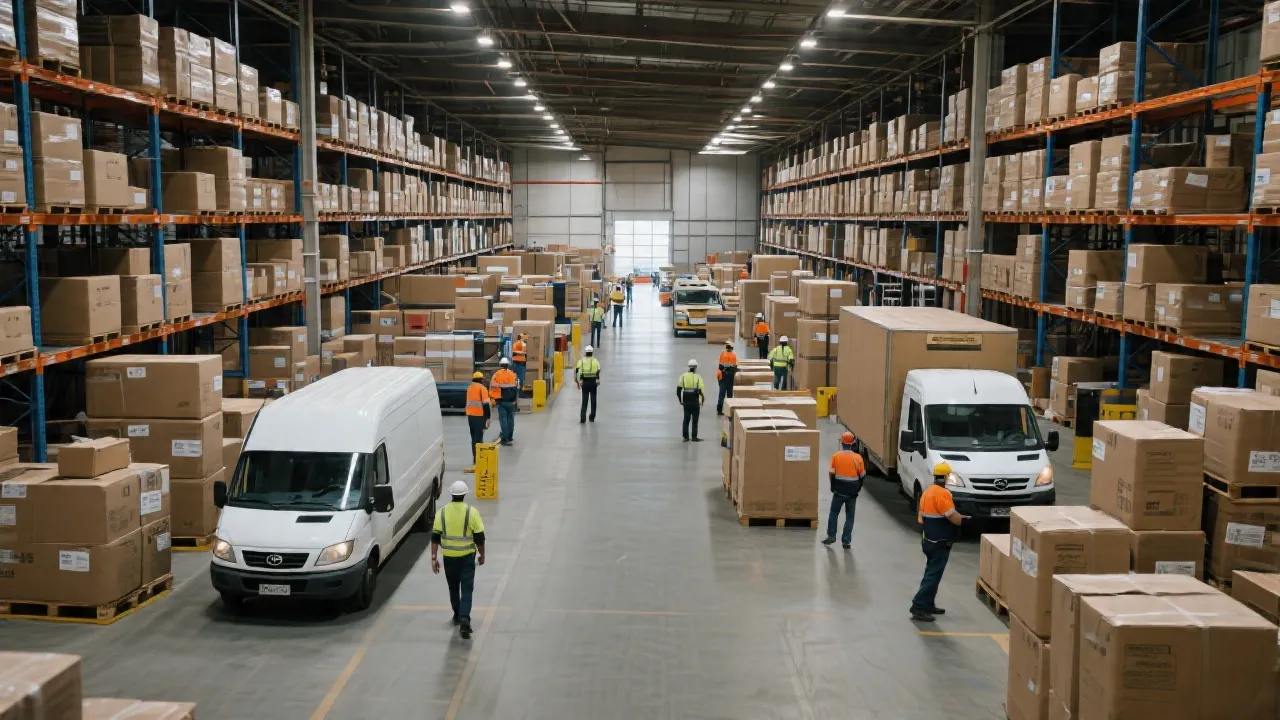
Supply chain logistics is a critical aspect of today's interconnected economy, playing a pivotal role in the success of businesses globally. It is a complex system of synchronizing supply activities, transporting goods efficiently, and managing inventories to ensure customer satisfaction and competitive advantage. The efficiency of logistics operations directly impacts other facets of business, from production to customer service, making it an area of focus for companies striving for operational excellence and profitability.
The supply chain logistics network is comprised of various essential components, including suppliers, production facilities, distribution centers, transportation systems, and retail outlets. Each segment must be meticulously managed to maintain the delicate balance between supply and demand. A comprehensive understanding of each component is vital for optimizing the efficiency and effectiveness of the entire supply chain.
Supply chain logistics faces several challenges, such as fluctuating consumer demands, globalization, technological advancements, and environmental issues. Global supply chains are often vulnerable to disruptions from geopolitical tensions, natural disasters, and pandemics, which can cause significant delays and added costs. To address these, industries have introduced innovations like artificial intelligence, robotics, and big data analytics.
For instance, AI-driven analytics provide real-time insights into supply chain operations, predicting trends and potential disruptions. By leveraging machine learning algorithms, businesses can improve demand forecasting accuracy and adapt their operations accordingly. Robotics streamline warehouse operations by automating picking, packing, and sorting processes, reducing labor costs and increasing efficiency. Meanwhile, big data analytics help in strategizing inventory management and optimizing route planning for transportation, leading to better service delivery and cost reductions.
Moreover, sustainability is becoming a pivotal focus, prompting logistics companies to invest in greener technologies and practices. Initiatives such as using electric vehicles for last-mile delivery or optimizing routes to reduce carbon emissions are notable examples of the industry's commitment to environmental stewardship.
When operating nearby areas, companies must adapt their logistics strategies to meet local regulations, consumer preferences, and geographic constraints. For example, supply chain logistics in densely populated urban areas require meticulous route planning to avoid traffic congestion and increase delivery efficiency. This often involves using advanced route optimization algorithms and real-time traffic data to adjust delivery routes dynamically.
Furthermore, understanding local market demands and cultural practices can help companies tailor their supply chain operations to improve customer satisfaction and loyalty. Companies that engage with local communities and understand regional influences can create branding strategies that resonate more deeply with consumers.
Personalizing delivery options, offering flexible payment methods, and ensuring effective customer service are strategies that significantly enhance operational effectiveness in local logistics. This customer-centric approach not only drives sales but also builds lasting customer trust and advocacy.
The performance of supply chain logistics can be measured using various key performance indicators (KPIs), such as:
Additionally, companies are increasingly adopting technology to monitor real-time metrics, integrating systems that provide visibility across the supply chain. This visibility fosters proactive decision-making and enables quick responses to unforeseen events.
Experts predict that the future of supply chain logistics will be more digital and interconnected. Digital twin technology, which creates virtual models of the supply chain, can simulate scenarios to identify potential disruptions and optimize processes. This capability is invaluable in strategic planning, enabling organizations to assess the impact of changes in real-time.
Blockchain technology is also set to enhance transparency and traceability within supply chains, ensuring secure data exchanges and immutable records of transactions. This will foster trust among stakeholders and reduce the risk of fraud.
Sustainability will also play a significant role, with increased pressure to adopt green logistics practices. This includes using renewable energy sources for transportation, implementing zero-emission vehicles, and optimizing packaging materials to minimize waste. Companies that commit to sustainable practices can not only meet regulatory requirements but also appeal to environmentally conscious consumers.
Emerging technologies such as autonomous vehicles and drone delivery systems are likely to revolutionize distribution logistics, drastically improving delivery speed and efficiency. These innovations will alter traditional transportation infrastructure and require adaptations in logistics management.
| Challenges | Innovations | Impacts |
|---|---|---|
| Globalization | AI and Robotics | Increased Efficiency |
| Environmental Concerns | Big Data Analytics | Enhanced Decision-Making |
| Supply Chain Disruptions | Blockchain Technology | Improved Transparency |
| Customer Expectations | Digital Twin Technology | Proactive Risk Management |
| Regulatory Compliance | Green Logistics Initiatives | Increased Brand Value |
1. What is the role of logistics in the supply chain?
Logistics ensures the efficient and effective movement of goods and services throughout the supply chain, crucial for meeting consumer demands and optimizing business operations. It encompasses several functions, including order fulfillment, warehousing, transportation, and inventory management, all of which are essential in delivering value to customers.
2. How do businesses overcome supply chain disruptions?
Businesses employ strategic planning, diversification of suppliers, and technology adoption to navigate supply chain disruptions and maintain resilience. Developing contingency plans and continuously monitoring potential risks can help organizations react timely to challenges.
Building strong relationships with suppliers creates a buffer against disruptions, allowing for flexibility in sourcing materials. Additionally, leveraging technology like predictive analytics can help foresee potential interruptions and allow companies to implement mitigating measures proactively.
3. What future technologies will impact supply chain logistics?
Technologies such as AI, blockchain, and IoT are expected to significantly reshape supply chain logistics, enhancing transparency, efficiency, and sustainability. AI drives efficiencies in forecasting and demand planning, while blockchain guarantees secure and verifiable transactions. IoT devices facilitate real-time tracking of shipments and assets, enabling better resource management and service delivery.
4. How can sustainability be integrated into logistics?
Sustainability can be integrated into logistics through practices such as optimizing transportation routes to reduce emissions, utilizing energy-efficient vehicles, minimizing packaging, and implementing waste reduction strategies. Companies can also consider sourcing materials responsibly and collaborating with partners committed to sustainability.
5. What impact does consumer behavior have on supply chain logistics?
Consumer behavior directly influences supply chain logistics, shaping demand patterns and inventory management practices. Seasonal changes, economic conditions, and evolving consumer preferences can alter purchasing habits, requiring logistics strategies to adapt swiftly to maintain customer satisfaction and operational efficiency.
Advanced analytics can help businesses understand consumer trends, enabling them to predict demands accurately and adjust their supply chains accordingly.
In summary, supply chain logistics is an intricate and vital component of modern business. By understanding its core components, embracing innovations, and adapting strategies to local markets, companies can turn logistical challenges into competitive advantages. As technology continues to evolve, businesses must remain agile, embracing new tools and practices to optimize their supply chain logistics for a more efficient, sustainable, and resilient future.
Striking the Perfect Balance: Navigating Premiums and Out-of-Pocket Expenses in Senior Insurance Plans

Explore the Tranquil Bliss of Idyllic Rural Retreats

How to Make Lasting Memories at Disneyland Attractions

Ultimate Countdown: The 20 Very Legendary Gaming Consoles Ever!

Understanding Halpin and its Influence

Affordable Full Mouth Dental Implants Near You

Unlock the Top Kept Secrets to Finding Your Ideal Dentist for Flawless Dental Implant Results!

Discovering Springdale Estates

Illinois Dentatrust: Comprehensive Overview


Understanding Fintech White Label Solutions
Fintech White Label solutions offer a customizable, ready-made platform for financial institutions to offer innovative services without developing technology from scratch. This approach enables businesses to save time and resources, focusing on reaching customers with enhanced financial products. Fintech, a blend of finance and technology, is revolutionizing traditional financial services.

Understanding Compliance and AML Strategies
This article delves into the intricate realm of Compliance and Anti-Money Laundering (AML) strategies, highlighting their significance in the corporate world. Compliance AML refers to the organizational adherence to legal standards and regulations to deter financial crimes, ensuring transparent and ethical financial practices. This comprehensive guide examines these strategies' complexities and their pivotal role in safeguarding economic integrity.

Mastering Employee Retention Strategies
Employee retention is a critical aspect of human resource management, focusing on maintaining a stable workforce. A strategic approach to retention can enhance organizational performance, reduce turnover costs, and improve employee morale. This article delves into effective retention strategies, emphasizing the importance of understanding employee needs and creating a supportive work environment.

Enhancing Employee Retention Strategies
This article explores the significance of an Employee Retention Questionnaire in maintaining a stable workforce. Employee retention is vital for businesses aiming to sustain productivity and reduce turnover costs. By understanding the factors influencing employee satisfaction and engagement, organizations can implement effective strategies to retain talent, ultimately boosting overall performance and morale.

Unveiling Whitewater Regenerative Blowers
Whitewater regenerative blowers are essential devices in various industries for efficient air movement and vacuum applications. These blowers, known for their durability and high performance, play a critical role in operations ranging from wastewater treatment to pneumatic conveying. This article explores their functionality, benefits, and industry applications, offering insights from an expert's perspective.

Understanding Stauff Filters and Their Applications
Stauff Filters are crucial components in hydraulic systems, ensuring the removal of contaminants and extending the life of machinery. These filters are integral to maintaining system efficiency and preventing damage in various industrial applications. With a range of options tailored for specific needs, they offer reliable solutions for fluid management challenges in sectors such as agriculture, construction, and manufacturing.
